
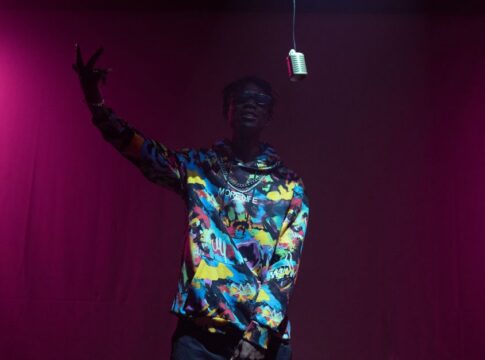
Photo: cottonbro studio / Pexels
By New Way News Newsroom, Entertainment Desk — Published October 3, 2026
Table of Contents
- Key Takeaways
- The Background & Context
- Why This Matters
- Reactions & Analysis
- What Happens Next
- Frequently Asked Questions
For decades, the MTV Video Music Awards stood as appointment television—the one night each year when pop culture’s biggest stars could be counted on to deliver spectacle, scandal, and water-cooler moments that dominated conversation for weeks. From Madonna writhing in a wedding dress to Kanye West’s stage interruption, the VMAs used culture as a canvas for chaos. But something has shifted. The 2026 ceremony came and went with little fanfare, prompting industry observers and longtime fans to ask a pointed question: When did music’s wildest night become so tame?
The show still airs. The awards still get handed out. Yet the cultural electricity that once made the VMAs unmissable has dimmed considerably. Where millions once tuned in expecting the unexpected, today’s ceremony struggles to generate buzz in an entertainment landscape fractured by streaming platforms, social media, and an endless buffet of content competing for attention.
This year’s broadcast highlighted the challenge facing not just MTV but all legacy award shows trying to remain relevant in an era when pop culture moments happen constantly, instantly, and often without the need for a television network’s blessing.
Key Takeaways
- The 2026 MTV Video Music Awards generated mixed reactions, with observers noting both memorable highlights and disappointing lows throughout the broadcast.
- Multiple entertainment publications published retrospectives analyzing what worked and what fell flat during this year’s ceremony, suggesting the show remains a subject of cultural scrutiny even as its influence wanes.
- The VMAs historically served as pop culture’s most unpredictable night, creating viral moments before “going viral” entered the lexicon.
- Today’s fragmented media landscape—dominated by streaming services, TikTok, and on-demand content—has fundamentally altered how audiences consume entertainment and award shows.
- Legacy television events face mounting pressure to justify their existence when memorable moments can be manufactured and distributed instantly on social media without network involvement.
- The shift reflects broader changes in how Americans experience shared cultural events in an increasingly personalized media ecosystem.
The Background & Context
MTV launched the Video Music Awards in 1984, at the height of the music video era when the network actually played music videos. The show quickly distinguished itself from staid ceremonies like the Grammys by embracing irreverence and youth culture. Early editions featured performances that pushed boundaries and acceptance speeches that broke protocol.
The VMAs became a laboratory for career-defining moments. Madonna’s “Like a Virgin” performance in 1984 established her as a provocateur. Nirvana’s chaotic 1992 appearance captured grunge’s anti-establishment ethos. Britney Spears dancing with a python in 2001 became instantly iconic. These weren’t just performances—they were cultural statements that rippled through movies, TV, and the broader entertainment industry.
The show thrived on unpredictability. Feuds erupted live on stage. Winners delivered profanity-laced speeches. Technical mishaps became legendary. Audiences tuned in precisely because anything could happen, and frequently did.
But the media ecosystem that sustained the VMAs’ cultural dominance has fundamentally transformed. In the 1990s and early 2000s, three major networks and a handful of cable channels controlled most viewing options. Missing the VMAs meant missing out on the next day’s conversations. DVRs existed but weren’t ubiquitous. Social media didn’t exist to provide instant highlights.
Today’s landscape couldn’t be more different. Streaming platforms offer unlimited options. YouTube and TikTok create stars who never need MTV’s blessing. Twitter and Instagram deliver highlight clips within seconds of their occurrence. The shared cultural experience that made appointment television powerful has splintered into millions of personalized feeds.
Why This Matters
The VMAs’ decline tells a larger story about American culture and how we consume entertainment. Award shows once served as communal gathering points—rare moments when diverse audiences watched the same thing simultaneously. These events created shared vocabulary, inside jokes, and collective memories that transcended demographic boundaries.
That shared experience is vanishing. Americans increasingly inhabit separate media bubbles, consuming content tailored to individual preferences by algorithms designed to maximize engagement. We watch different shows on different platforms at different times. The notion of “must-see TV” feels quaint.
This fragmentation has consequences beyond entertainment. Shared cultural touchstones help societies build common ground and mutual understanding. When citizens lack common reference points, building consensus becomes harder. Political polarization and social division feed on this isolation.
The transformation also reflects changing power dynamics in the entertainment industry. Networks and studios once gatekept fame, deciding who got platforms and exposure. Today, artists can build massive followings independently through streaming and social media. They don’t need MTV to validate their relevance or amplify their message.
For younger audiences, the VMAs represent a relic from their parents’ era—a broadcast television event in an on-demand world. Why wait for a scheduled show when you can watch performances on YouTube immediately after they happen, or catch viral moments on TikTok without sitting through the boring parts?
The economics matter too. Advertising revenue that once flowed reliably to broadcast events now scatters across countless digital platforms. Producing expensive live shows becomes harder to justify when viewership declines and younger demographics prove difficult to reach through traditional television.
Reactions & Analysis
According to reports analyzing this year’s ceremony, the 2026 VMAs delivered a mixed bag of moments that both succeeded and stumbled. Entertainment publications dissected the show’s best and worst elements, suggesting the broadcast still merits critical attention even as its cultural footprint shrinks.
The fact that multiple outlets felt compelled to publish “best and worst” retrospectives indicates the VMAs retain some relevance as a cultural barometer. Industry observers still care enough to analyze what worked and what didn’t, treating the show as a lens through which to examine pop culture’s current state.
Yet the tone of coverage has shifted. Where reviews once focused on shocking moments and boundary-pushing performances, contemporary analysis often emphasizes competent execution and nostalgic callbacks. The show has become something to evaluate rather than something that demands attention through sheer audacity.
Social media reaction patterns reveal the challenge. Viral moments from the VMAs now compete with countless other trending topics, struggling to dominate feeds the way they once dominated next-day conversations. A performance that might have been dissected for weeks in 2005 now gets a few hours of Twitter attention before the algorithm moves on.
Industry insiders face a dilemma. Chasing viral moments can feel desperate and inauthentic, yet playing it safe guarantees irrelevance. The show needs to generate buzz without appearing to try too hard—a nearly impossible balance in an attention economy where audiences can smell manufactured controversy instantly.
What Happens Next
The VMAs’ future likely depends on whether MTV can redefine what an award show means in the streaming era. Simply replicating the old formula won’t work. The cultural conditions that made it successful no longer exist.
One path forward involves leaning into digital integration. Rather than treating social media as a promotional tool, the show could become a truly multi-platform experience where online and broadcast elements interweave seamlessly. Let audiences vote in real-time, influence performances, and shape the show as it happens.
Another option embraces the niche. Instead of chasing mass appeal, the VMAs could target core music fans who still value curated experiences and artist recognition. Smaller, more focused shows can thrive in a fragmented landscape if they serve their audience exceptionally well.
The show might also need to abandon traditional television entirely, becoming a streaming-first event designed for on-demand consumption. This would sacrifice the live communal experience but acknowledge how younger audiences actually consume content.
Broader trends suggest award shows will continue struggling unless they solve the relevance problem. The Oscars, Grammys, and Emmys all face similar challenges. Viewership declines across the board. The question isn’t specific to the VMAs—it’s whether televised award ceremonies have a future at all.
What seems certain is that the old model is dying. Pop culture’s messiest night won’t return to its former glory by doing what worked in 1999 or 2009. Either the show evolves into something genuinely new, or it gradually fades into nostalgia, remembered fondly by those who grew up when MTV still mattered and appointment television still existed.
Frequently Asked Questions
Why were the VMAs once considered must-see television?
The VMAs built their reputation on unpredictability and cultural significance during an era when fewer entertainment options existed. The show created water-cooler moments that defined pop culture conversations, featuring performances and incidents that became instantly iconic. Before social media and streaming fragmented audiences, the VMAs served as a communal experience where shocking, memorable moments happened live and couldn’t be experienced any other way.
How has streaming changed the entertainment landscape for award shows?
Streaming platforms have fundamentally altered viewing habits by offering unlimited on-demand content personalized to individual preferences. This eliminates the scarcity that once made appointment television valuable. Audiences no longer need to watch events live when highlights appear instantly online. The shared cultural experience of watching together has been replaced by fragmented, algorithm-driven consumption patterns that make it harder for any single event to dominate attention.
Do the VMAs still influence pop culture?
The VMAs retain some cultural influence but far less than in previous decades. While the show still generates media coverage and social media discussion, it no longer creates the career-defining moments or week-long conversations it once did. Performances and appearances at the VMAs compete with countless other content for attention in an oversaturated media environment where viral moments happen constantly across multiple platforms.
What would it take for the VMAs to regain cultural relevance?
Reviving the VMAs would require fundamental reinvention rather than incremental changes. The show would need to offer something truly unique that can’t be replicated on social media or streaming platforms—perhaps through innovative digital integration, radical format changes, or by serving a specific passionate audience exceptionally well rather than chasing mass appeal. Simply recreating past glory won’t work in a media landscape that has transformed completely since the show’s heyday.
The VMAs’ transformation from cultural juggernaut to struggling legacy event reflects broader shifts in how Americans experience entertainment and community. Whether the show finds new relevance or fades into nostalgia, its decline marks the end of an era when television networks could command collective attention and create shared moments that united diverse audiences. That world isn’t coming back, no matter how many performers MTV books or how many awards it hands out.