
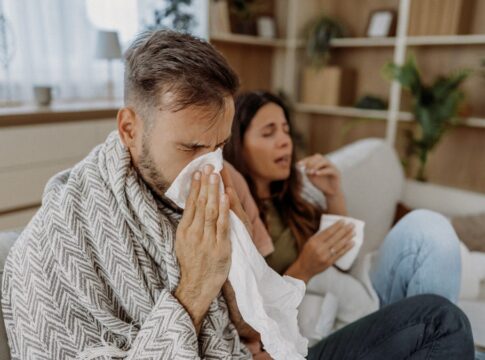
Flu season arrived months ahead of schedule this year, with influenza infections climbing across all 50 states by early October—a timeline typically not seen until December or January. Health officials warn this unusually early start could signal a particularly challenging winter ahead for American families.
Unprecedented Early Surge Catches Officials Off Guard
Dr. Carla Garcia Carreno, an Infectious Disease Specialist at Children’s Health in Texas, told reporters she has witnessed a notable increase in Influenza A cases throughout early October. The physician emphasized this represents an abnormal departure from typical seasonal patterns, where flu activity generally peaks in late winter rather than fall. Wastewater surveillance data confirms infections began climbing in late August and early September, with samples testing positive for influenza A reaching 60 percent by mid-October compared to just 20 percent during the same period in 2025.


The West Coast faces the heaviest burden of illness currently, with Arizona, California, Hawaii, Nevada, Alaska, Idaho, Oregon and Washington experiencing the highest activity levels nationwide. Despite this geographic concentration, the Centers for Disease Control and Prevention confirms rising infections in every single state, leaving no region untouched by the early outbreak.
Dominant Strain Linked To 2009 Pandemic
Influenza A dominates this season, specifically the subclade A(H1N1)pdm09—the same strain responsible for the swine flu pandemic in 2009. While it caused widespread concern 17 years ago as a novel virus, this strain now circulates as part of typical seasonal flu patterns. Common symptoms include fever, cough, runny nose, body aches and fatigue. Children, elderly Americans, pregnant women, and those with underlying conditions like obesity and diabetes face elevated risks of serious complications requiring hospitalization.
What Families Can Do Now
Health officials stress traditional prevention methods remain the strongest defense against respiratory viruses. Washing hands thoroughly with hot soapy water for at least 20 seconds—especially before and after meals, food preparation, and bathroom use—significantly reduces transmission risk. Families should avoid sharing utensils or personal items, and sick individuals must stay home rather than spreading illness through schools, workplaces or churches. Dr. Carreno recommends limiting large indoor gatherings during peak transmission periods, particularly for vulnerable populations. The CDC noted a temporary gap in wastewater tracking updates due to new testing contracts, though officials did not specify when normal monitoring would resume.