
Photo: Martin.que / Pexels
By New Way News Newsroom, Entertainment Desk — Published October 21, 2026
Table of Contents
- Key Takeaways
- The Background & Context
- Why This Matters
- Reactions & Analysis
- What Happens Next
- Frequently Asked Questions
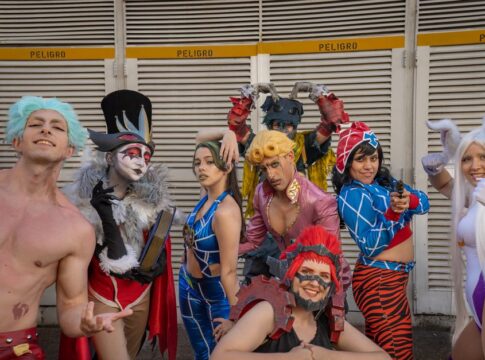
Halloween has become a cultural battleground where pop culture obsession meets queer creativity, and nowhere is this more apparent than in the phenomenon of hyperspecific meme-centric costumes. These aren’t your grandmother’s witch or vampire getups. Instead, they’re elaborate recreations of fleeting internet moments, obscure celebrity references, and niche streaming content that require a doctoral-level understanding of TikTok, Twitter threads, and reality TV drama.
The phrase “I Hate Gay Halloween” has itself become a meme, capturing the bewildered reaction of anyone confronted with costumes so specific they require a five-minute explanation. According to recent coverage, this year’s offerings push the envelope even further, blending entertainment industry moments with queer sensibility in ways that are equal parts brilliant and baffling.
What started as a joke about queer people’s tendency toward reference-heavy costumes has evolved into a full-fledged cultural conversation. The costumes draw from movies, streaming platforms, TV shows, and viral moments that dominated social media feeds throughout the year. They represent a particular intersection of queer culture and internet literacy that has redefined what Halloween can be.
Key Takeaways
- Hyperspecific, meme-centric costumes have become a defining feature of queer Halloween celebrations, referencing obscure pop culture moments that require deep knowledge of entertainment and streaming content
- The phrase “I Hate Gay Halloween” originated as a humorous acknowledgment of how elaborate and reference-heavy these costumes have become
- Recent years have seen queer celebrities embrace this trend, creating costumes that celebrate niche moments from movies, TV shows, and viral internet culture
- These costumes represent a broader cultural shift in how Halloween is celebrated, moving from generic store-bought outfits to highly personalized, commentary-driven looks
- The phenomenon highlights the unique relationship between LGBTQ+ communities and pop culture, where entertainment consumption becomes a form of cultural literacy and community bonding
- Social media has amplified this trend, with platforms enabling rapid spread of both the original pop culture moments and the costume recreations that follow
The Background & Context
Halloween has always been a holiday with special significance in LGBTQ+ communities. Long before marriage equality or widespread acceptance, the night offered a rare opportunity for self-expression without judgment. Drag culture and costume parties provided safe spaces where queer people could experiment with identity and presentation.
But something shifted in recent years. The rise of streaming platforms created an explosion of content. Netflix, Hulu, HBO Max, and others churned out shows and movies at unprecedented rates. Reality TV became more bizarre and specific. Social media turned every celebrity moment into a potential meme.
Queer audiences, already deeply engaged with pop culture as both escape and mirror, began treating Halloween as an opportunity to demonstrate their cultural fluency. A costume wasn’t just about looking good or scary anymore. It became a statement about what you watched, what you found funny, what online communities you belonged to.
The “hyperspecific” element emerged from this convergence. Why dress as a generic witch when you could be the exact moment Kris Jenner appeared in a witch costume during a specific episode of “Keeping Up with the Kardashians”? Why go as a vampire when you could recreate the precise outfit worn by a background character in a single scene of a cult streaming series?
Reports indicate that the meme-centric approach accelerated during the pandemic years. With people spending more time online and consuming more entertainment content, the shared vocabulary of references expanded exponentially. What might have once been too obscure for anyone to recognize became fair game, because enough people had watched the same shows, seen the same TikToks, and participated in the same online conversations.
Why This Matters
This phenomenon represents more than just quirky costume choices. It reflects fundamental changes in how Americans consume and interact with entertainment and pop culture.
The hyperspecific costume trend demonstrates the fragmentation of mass culture. There was a time when Halloween costumes reflected a shared cultural baseline—characters from blockbuster movies everyone had seen, celebrities everyone recognized. Now, streaming and social media have created countless micro-cultures, each with its own references and in-jokes.
For the entertainment industry, this matters economically. These costumes provide free marketing, keeping shows and movies in the cultural conversation months or even years after release. A costume based on a Netflix series from two years ago reminds people that content exists and might be worth watching or rewatching.
The trend also highlights the economic creativity of queer communities. Rather than purchasing expensive licensed costumes, people are crafting elaborate looks from thrift store finds and household items. This DIY approach challenges the commercial Halloween industry’s dominance while creating something more personal and culturally meaningful.
From a social perspective, these costumes serve as identity markers. Recognizing someone’s hyperspecific reference signals shared cultural knowledge and potentially shared community membership. They’re conversation starters that help people find their tribe in crowded Halloween parties or on social media feeds.
The phenomenon also raises questions about cultural gatekeeping and accessibility. When costumes require extensive knowledge of niche entertainment content, they can feel exclusionary to those outside specific online communities or without access to multiple streaming platforms. This creates a kind of cultural literacy test that not everyone can pass.
Reactions & Analysis
The response to hyperspecific meme-centric costumes has been mixed, though largely celebratory within queer communities themselves. According to coverage, the phenomenon has generated its own wave of memes, with people both celebrating and gently mocking the trend’s excesses.
The phrase “I Hate Gay Halloween” itself functions as both criticism and badge of honor. It acknowledges that these costumes can be exhausting—requiring explanations, research, and a level of pop culture investment that feels almost academic. Yet the phrase is typically deployed with affection, recognizing the creativity and humor involved even while expressing playful exasperation.
Social media reactions reveal a generational divide. Younger users, particularly Gen Z, embrace the hyperspecific approach as natural and fun. They grew up in an environment where niche references and inside jokes define online interaction. Older millennials and Gen X observers sometimes express bewilderment, though many also appreciate the artistry involved.
Celebrity participation has legitimized the trend. Reports note that queer celebrities have embraced hyperspecific costumes in recent years, with some creating elaborate looks that reference obscure moments from their own careers or from reality TV, movies, and streaming content they love. When famous people participate, it validates the cultural significance of what might otherwise be dismissed as internet silliness.
Cultural critics have begun examining the phenomenon more seriously. Some see it as a form of queer world-making, where shared references create community bonds and alternative cultural spaces. Others view it as commentary on celebrity culture and the absurdity of our entertainment-saturated moment.
The entertainment industry has taken notice as well. Streaming platforms and TV networks now monitor which shows and moments generate Halloween costume recreations, viewing them as indicators of cultural penetration and audience engagement. Some have even begun creating content with an eye toward its costume potential.
What Happens Next
The trajectory of hyperspecific meme-centric costumes appears set to continue, though the specific references will inevitably evolve as new entertainment content and viral moments emerge.
Next year’s Halloween will likely see costumes based on whatever shows, movies, and celebrity moments dominate 2025’s cultural conversation. The cycle is self-perpetuating: viral moments inspire costumes, costume photos go viral, and the attention inspires even more elaborate recreations the following year.
The trend may also spread beyond queer communities. As these costumes gain mainstream attention through social media and news coverage, more people may embrace the hyperspecific approach. This could dilute the specifically queer cultural aspects while expanding the overall phenomenon.
Technology will play a role too. AI and digital tools are making it easier to recreate specific looks, find obscure reference materials, and share costume ideas. This could lower the barrier to entry while potentially raising the bar for creativity and specificity.
The entertainment industry will likely continue adapting. Expect more behind-the-scenes content, costume breakdowns, and official acknowledgment of the trend from studios and streaming platforms. Some may even create Halloween-specific content designed to go viral and inspire costume recreations.
There’s also potential for backlash or fatigue. As costumes become increasingly specific and reference-dependent, some may yearn for simpler Halloween celebrations. The pendulum could swing back toward more accessible, less explanation-heavy costume choices.
Frequently Asked Questions
What makes a Halloween costume “hyperspecific” and “meme-centric”?
A hyperspecific, meme-centric costume references a very particular moment from pop culture—often from streaming shows, movies, reality TV, or viral social media content—rather than a general character or concept. Instead of dressing as “a witch,” someone might dress as a specific celebrity in a specific outfit from a specific episode of a show, complete with props and context that only people familiar with that exact moment would recognize. The “meme-centric” aspect means the costume is based on something that became an internet joke or viral moment.
Why is this trend particularly associated with queer communities?
LGBTQ+ communities have historically had a deep engagement with pop culture, using entertainment as both escape and a way to find representation. Queer people often develop encyclopedic knowledge of movies, TV shows, and celebrity culture, and Halloween has long been an important holiday in these communities for self-expression. The hyperspecific costume trend combines this cultural fluency with the creativity and humor that characterize queer celebrations, creating costumes that serve as both art and inside jokes within the community.
What does “I Hate Gay Halloween” actually mean?
The phrase “I Hate Gay Halloween” is a humorous, affectionate meme that captures the feeling of being confronted with a costume so specific and reference-heavy that it requires extensive explanation. It’s typically used by queer people themselves to acknowledge both the brilliance and the potential exhaustion of hyperspecific costumes. The phrase isn’t actually hateful—it’s a playful way of recognizing that these costumes can be simultaneously impressive, funny, and overwhelming in their level of detail and niche cultural knowledge.
How do these costumes impact the entertainment industry?
Hyperspecific costumes provide valuable free marketing for entertainment content, keeping shows, movies, and viral moments in the cultural conversation long after their initial release. Streaming platforms and studios now monitor which content generates costume recreations as a measure of cultural impact and audience engagement. The trend also influences content creation, with some producers considering whether moments in their shows or films have “costume potential” that could extend their cultural lifespan through Halloween celebrations and social media sharing.
As Halloween evolves from a night of generic ghouls to a showcase of cultural literacy and creative commentary, hyperspecific meme-centric costumes represent something larger than just what people wear to parties. They’re a window into how we consume entertainment, build community, and express identity in an age of endless streaming content and viral moments. Whether you love them, hate them, or find yourself somewhere in between, these costumes have become an undeniable part of how Americans celebrate, one obscure pop culture reference at a time.