
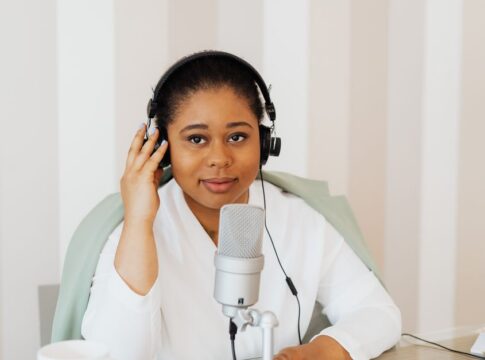
Photo: https://kaboompics.com/ / Pexels
By New Way News Newsroom, Entertainment Desk — Published October 5, 2026
Table of Contents
- Key Takeaways
- The Background & Context
- Why This Matters
- Reactions & Analysis
- What Happens Next
- Frequently Asked Questions
A new podcast series is coming to Snapchat that promises to bridge cultural divides while dissecting the entertainment landscape American audiences know and love. The upcoming Blaze Wilde podcast represents a fresh voice in digital media, positioning itself at the intersection of pop culture commentary, political discourse, and the lived experience of navigating identity across Arab and American worlds.
The announcement arrives as social media platforms increasingly compete for original audio and video content that resonates with younger, mobile-first audiences. Snapchat, traditionally known for ephemeral messaging and visual content, has been expanding its original programming slate to include news, entertainment, and cultural commentary shows that speak directly to Generation Z and millennial viewers.
This initiative reflects broader industry trends where streaming platforms and social networks alike are investing in diverse voices that can authentically discuss movies, TV shows, and the cultural forces shaping American entertainment. For audiences hungry for perspectives that challenge mainstream narratives while remaining deeply engaged with popular culture, the Wilde podcast aims to fill a notable gap.
Key Takeaways
- Blaze Wilde is launching a new podcast on Snapchat focused on pop culture, politics, and bicultural identity between Arab and American communities
- The show will explore entertainment topics including movies, TV, and streaming content through a distinctive cultural lens
- Snapchat continues expanding its original content offerings to attract younger audiences seeking diverse perspectives
- The podcast represents growing demand for voices that bridge cultural divides while engaging with mainstream American entertainment
- Related developments include Culture Creators and Dream Planet announcing an original news show with an October 7 casting call, signaling broader investment in diverse digital content
The Background & Context
Podcasting has exploded over the past decade. What began as a niche medium has become a primary news and entertainment source for millions of Americans. Audio content allows for intimate, long-form conversations that television and print struggle to replicate. Listeners commute with hosts in their ears, forming parasocial relationships that drive loyalty and engagement.
Snapchat’s move into podcast territory isn’t entirely new, but it represents the platform’s continued evolution beyond its roots as a photo-sharing app. The company has steadily built out Discover, its content hub featuring shows from major media partners and emerging creators. By hosting podcasts and video shows, Snapchat competes with YouTube, TikTok, and traditional podcast platforms for creator talent and audience attention.
The cultural conversation around Arab-American identity has gained prominence in recent years. Second and third-generation Arab Americans often describe feeling caught between worlds—too American for relatives abroad, too foreign for some neighbors at home. This duality creates unique perspectives on everything from family dynamics to foreign policy, from food culture to film representation.
Pop culture serves as common ground. Movies and television shows create shared reference points across communities. Yet representation matters deeply. When Arab characters appear on screen, are they terrorists or tech entrepreneurs? Sidekicks or protagonists? These questions aren’t academic—they shape how millions of Americans perceive their neighbors and how Arab Americans see themselves reflected in the culture they consume.
According to reports, Culture Creators and Dream Planet have announced an original news show with an October 7 casting call, indicating that multiple production companies and platforms recognize the appetite for fresh voices in digital content. This parallel development suggests a broader industry shift toward prioritizing diverse storytelling and cultural commentary.
Why This Matters
American culture isn’t monolithic. Never has been. Yet mainstream entertainment coverage often treats it as such, with perspectives clustering around coastal media hubs and established critical frameworks. When a podcast explicitly centers the experience of living between cultures, it offers something valuable: a reminder that millions of Americans navigate multiple identities daily.
For Arab Americans, representation in media remains fraught. Decades of film and television have trafficked in stereotypes—the terrorist, the oil sheikh, the oppressed woman. While progress has been made, authentic voices remain underrepresented in entertainment criticism and cultural commentary. A podcast that discusses the latest Marvel movie or Netflix series through the lens of someone straddling Arab and American cultures can illuminate blind spots in how stories are told and received.
Politics inevitably intersects with pop culture. Foreign policy debates about the Middle East don’t stay confined to cable news; they spill into social media arguments, workplace conversations, and family dinners. When a podcast explicitly tackles both politics and entertainment, it acknowledges what audiences already know: these spheres aren’t separate. The movies we watch influence how we see the world. The political climate shapes which stories get greenlit.
For Snapchat users—predominantly younger Americans—this content meets them where they already spend time. Rather than asking audiences to download another app or subscribe to another service, the podcast lives within a platform they check dozens of times daily. That accessibility matters for reaching viewers who might not seek out cultural commentary elsewhere.
The broader implications extend beyond one podcast. As streaming services proliferate and content libraries expand, audiences crave curation and context. They want guides who can help them decide what’s worth watching and why it matters. Podcasts that blend entertainment recommendations with cultural analysis serve that function, becoming trusted filters in an overwhelming media landscape.
Reactions & Analysis
Industry observers note that social media platforms are locked in fierce competition for creator talent and exclusive content. Snapchat’s investment in original programming, including podcasts like Wilde’s, represents an effort to differentiate itself from competitors. While TikTok dominates short-form video and Instagram competes for photo-sharing supremacy, Snapchat has carved out space for episodic content that keeps users returning.
The announcement of the Culture Creators and Dream Planet news show with an October 7 casting call, as noted by reports, suggests that production companies see opportunity in this space. Casting calls indicate projects moving from concept to production—real investment in bringing diverse voices to digital platforms. The timing suggests coordinated efforts across the industry to expand content offerings ahead of the fall media season.
Cultural critics have long argued that American entertainment discourse needs more varied perspectives. When film and television criticism comes primarily from similar backgrounds and viewpoints, entire dimensions of storytelling go unexamined. A podcast that explicitly brings Arab-American perspectives to discussions of popular culture can ask questions others might not consider: How does this portrayal land with Middle Eastern audiences? What cultural nuances did the writers miss? Why does this casting choice matter?
For advertisers and media buyers, diverse content represents both values alignment and business opportunity. Brands increasingly want to reach multicultural audiences, and authentic voices provide better vehicles than generic programming. A podcast with clear cultural positioning can attract sponsors seeking credibility with specific demographics.
What Happens Next
The podcast’s success will likely depend on execution. Cultural commentary requires balancing authenticity with accessibility—speaking from specific experience without alienating broader audiences. The best pop culture podcasts manage to be both particular and universal, using individual perspective as a lens rather than a limit.
Snapchat’s platform presents both opportunities and constraints. The app’s design favors vertical video and bite-sized content, which could shape how the podcast is produced and consumed. Will episodes be short and punchy, designed for viewing between classes or during lunch breaks? Or will they offer deeper dives that challenge the platform’s typical usage patterns?
The political dimension adds complexity. Discussing Middle Eastern politics while reviewing the latest blockbuster requires deft navigation. Audiences come to entertainment podcasts for different reasons—some want escape, others want engagement. Finding the right balance will determine whether the show builds a loyal following or struggles to define its identity.
Broader industry trends suggest growing appetite for this type of content. As streaming services invest billions in global programming and American audiences become more diverse, the demand for varied perspectives on entertainment will only increase. Podcasts that can authentically bridge cultural divides while remaining entertaining and informative are well-positioned for growth.
The October 7 casting call for the Culture Creators and Dream Planet news show indicates that similar projects are moving forward, potentially creating a cohort of diverse digital content launching around the same time. This could benefit all involved, as multiple shows can build collective momentum and audience interest in fresh voices on social platforms.
Frequently Asked Questions
What topics will the Blaze Wilde podcast cover?
According to reports, the podcast will explore pop culture, politics, and life between Arab and American culture. This suggests a blend of entertainment commentary—including movies, TV shows, and streaming content—alongside political discussions and personal reflections on navigating bicultural identity. The show aims to bring a distinctive perspective to mainstream entertainment topics.
Where can audiences listen to the podcast?
The podcast will be available on Snapchat, the social media platform known for visual messaging and original content. This positions the show within Snapchat’s Discover section, where users can access episodic programming from various creators and media partners. The platform choice targets younger, mobile-first audiences who already use Snapchat regularly.
Why is cultural perspective important in entertainment commentary?
Cultural perspective shapes how audiences interpret and experience media. Someone navigating Arab and American identities may notice representation issues, cultural nuances, or political subtexts that others miss. Diverse voices in entertainment criticism ensure that discussions of movies, TV, and streaming content reflect the varied experiences of American audiences, not just dominant viewpoints.
How does this fit into broader trends in digital media?
Social media platforms are increasingly investing in original content to compete for audience attention and creator talent. Snapchat’s hosting of podcasts like Wilde’s reflects this strategy. The announcement of other projects, including the Culture Creators and Dream Planet news show with an October 7 casting call, indicates industry-wide recognition that diverse voices and fresh perspectives can attract engaged audiences and differentiate platforms in a crowded market.
As American entertainment becomes more global and audiences more diverse, podcasts that bridge cultural divides while remaining deeply engaged with popular culture will likely find growing audiences. The Wilde podcast represents a bet that authenticity and perspective matter—that how we talk about movies and television is as important as what we say. Whether that bet pays off depends on execution, but the appetite for varied voices in cultural commentary has never been stronger.