
Photo: muhammad nadeem / Pexels
By New Way News Newsroom, Entertainment Desk — Published September 24, 2026
Table of Contents
- Key Takeaways
- The Background & Context
- Why This Matters
- Reactions & Analysis
- What Happens Next
- Frequently Asked Questions
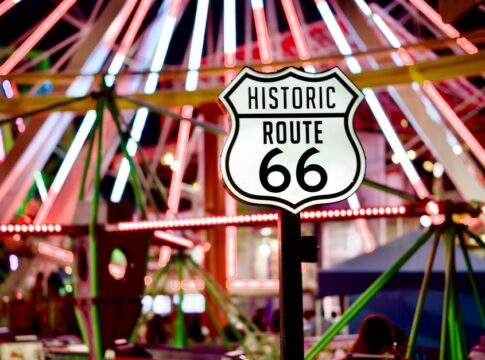
Few highways have captured the American imagination quite like Route 66. The iconic roadway, stretching from Chicago to Santa Monica, became far more than asphalt and signage—it transformed into a cultural phenomenon that shaped entertainment, movies, music, and the nation’s understanding of itself. This route’s influence on American pop culture runs deep, threading through television shows, Hollywood films, streaming content, and the stories communities tell about themselves.
The highway’s cultural footprint extends beyond nostalgia. Recent exhibitions exploring African American contributions to Route 66 history reveal layers of the road’s story that mainstream narratives often overlooked. Meanwhile, states along the route, particularly Oklahoma, have produced an outsized number of entertainers and celebrities who carried the highway’s mythology into living rooms across America.
Understanding how this single road became a pop culture touchstone helps explain broader patterns in American entertainment and identity. The Mother Road, as it was affectionately known, offered more than a travel corridor—it provided a stage for American dreams, struggles, and reinvention.
Key Takeaways
- Route 66 became a defining symbol in American entertainment, shaping narratives in television, film, and music that continue to resonate in contemporary pop culture and streaming content.
- Oklahoma, a key state along the historic highway, has produced hundreds of celebrities including Reba McEntire and Will Rogers, suggesting the route’s cultural influence extended to talent development.
- New exhibitions such as “mOTHER Road” are expanding the Route 66 story by highlighting African American influences and contributions that shaped the highway’s cultural legacy.
- The highway’s transformation from functional infrastructure to cultural icon demonstrates how physical spaces can become powerful symbols in American storytelling and identity formation.
- Route 66’s ongoing presence in modern entertainment reflects enduring themes of freedom, mobility, and the American experience that continue to engage audiences across generations.
The Background & Context
Route 66 opened in 1926, connecting the industrial Midwest to the Pacific Coast. For decades, it served as a primary artery for commerce, migration, and tourism. Families fleeing the Dust Bowl traveled its length seeking California opportunities. Postwar Americans discovered leisure travel along its motels and diners. The road became synonymous with movement, possibility, and the American character.
But the highway’s true power emerged in how it was depicted. Television brought Route 66 into millions of homes through the CBS series that ran from 1960 to 1964, following two young men driving a Corvette across America. The show rarely filmed on the actual highway, yet it cemented the road’s association with freedom and adventure. Bobby Troup’s 1946 song “(Get Your Kicks on) Route 66” became a jazz standard, recorded by everyone from Nat King Cole to the Rolling Stones.
Oklahoma’s position along the route proved particularly significant. The state’s connection to Route 66 coincided with its remarkable production of entertainment figures. As reports examining Oklahoma’s celebrity output note, the state has generated hundreds of notable performers, from country music legend Reba McEntire to humorist Will Rogers, whose folksy wisdom became emblematic of American common sense in the early 20th century.
The highway’s decommissioning in 1985, replaced by the Interstate system, paradoxically strengthened its cultural cachet. No longer a functional road, Route 66 became pure symbol—a nostalgic repository for ideas about simpler times, authentic America, and the open road. This transformation made it even more potent for storytellers seeking to tap into collective memory.
Why This Matters
Route 66’s cultural influence matters because it reveals how Americans process change, loss, and identity through entertainment. The highway’s mythology provides a framework for understanding broader shifts in how the nation sees itself and tells its stories.
For the entertainment industry, Route 66 offers an instantly recognizable shorthand. Filmmakers and showrunners invoke the highway to signal themes of discovery, escape, or authenticity. Pixar’s “Cars” franchise built an entire narrative around the decline of Route 66 towns, introducing the road’s significance to new generations. The highway appears in countless road trip films, documentaries, and reality shows, each iteration reinforcing its symbolic power.
Recent efforts to broaden the Route 66 narrative carry particular significance. The “mOTHER Road” exhibition exploring African American influences on the highway addresses historical gaps in how the route’s story has been told. For decades, the Route 66 mythology centered on white, middle-class experiences while overlooking the reality that Black travelers faced discrimination at many establishments along the road. The Green Book, a guide for African American motorists, listed safe accommodations precisely because Route 66 was not equally welcoming to all.
By examining these previously marginalized perspectives, contemporary cultural work around Route 66 reflects larger conversations about whose stories get told and how entertainment shapes historical understanding. The highway becomes a lens for examining American contradictions—freedom and exclusion, progress and nostalgia, myth and reality.
For communities along the former route, the cultural legacy has economic implications. Tourism driven by the highway’s pop culture status supports small towns that might otherwise struggle. Preservationists work to maintain historic motels, diners, and gas stations that serve as physical anchors for the mythology. These efforts depend on Route 66’s continued relevance in American entertainment and imagination.
Reactions & Analysis
The ongoing attention to Route 66 in cultural spaces demonstrates the highway’s adaptability as a symbol. Each generation finds new meanings in the old road.
Exhibitions like “mOTHER Road” represent a scholarly and curatorial response to incomplete historical narratives. By centering African American experiences and contributions, these projects challenge visitors to reconsider familiar stories. The work acknowledges that Route 66’s influence on pop culture has been selective, often highlighting certain experiences while rendering others invisible.
Oklahoma’s remarkable output of entertainment figures, as examined in recent reporting, suggests that geography and culture intersect in complex ways. The state’s position along Route 66, combined with its particular cultural mix—Native American heritage, Western traditions, oil boom prosperity, and Dust Bowl hardship—created conditions that shaped storytellers and performers. These artists then carried Route 66 imagery and themes into their work, creating a feedback loop between place and cultural production.
Entertainment industry professionals continue mining Route 66 for content. Streaming platforms feature documentaries about the highway’s history and contemporary road trip series that retrace its path. The road’s visual iconography—vintage neon signs, classic cars, desert vistas—remains aesthetically powerful in an Instagram age. This ongoing cultural recycling keeps Route 66 relevant even as fewer Americans have direct memory of the highway’s functional era.
Critics note that Route 66’s pop culture presence sometimes prioritizes nostalgia over accuracy. The highway’s mythology can flatten complex histories into simple narratives about better days. Yet this simplification is precisely what makes Route 66 useful for entertainment—it provides accessible entry points into larger conversations about American identity, mobility, and change.
What Happens Next
Route 66’s influence on American pop culture shows no signs of diminishing. If anything, the highway’s symbolic power may increase as physical distance from its functional era grows.
Future entertainment will likely continue exploring Route 66 from new angles. As exhibitions like “mOTHER Road” demonstrate, there remains substantial work in telling fuller, more inclusive stories about the highway. Expect documentaries, films, and television projects that examine Route 66 through diverse perspectives, challenging and enriching the existing mythology.
The highway’s role in shaping regional identity, particularly in states like Oklahoma, will continue generating cultural production. Artists and entertainers from Route 66 communities carry those influences into their work, whether consciously or not. As streaming platforms seek distinctive content, stories rooted in specific American places gain value. Route 66 offers ready-made narrative potential.
Climate change and sustainability conversations may also reshape Route 66’s cultural meaning. A highway celebrated for car culture and mobility faces reinterpretation in an era questioning those values. Future pop culture treatments might examine this tension, using Route 66 to explore American relationships with consumption, progress, and environmental impact.
Tourism along the route will evolve alongside cultural representations. As younger generations encounter Route 66 primarily through entertainment rather than lived experience, their engagement with the physical highway will be mediated by pop culture. This creates opportunities for immersive experiences, interactive exhibits, and cultural tourism that blends history, mythology, and contemporary creativity.
Frequently Asked Questions
What made Route 66 so important to American pop culture?
Route 66 became important to American pop culture because it arrived at a pivotal moment in the nation’s history, serving as a migration route during the Dust Bowl and a symbol of postwar prosperity and mobility. Its presence in television shows, songs, and films transformed it from infrastructure into a cultural symbol representing freedom, adventure, and authentic American experience. The highway’s decommissioning in 1985 paradoxically strengthened its cultural power by transforming it from functional road into pure mythology.
How did Route 66 influence television and movies?
Route 66 influenced television most notably through the CBS series that ran from 1960 to 1964, which brought the highway’s mythology into American living rooms and established it as a symbol of freedom and adventure. In movies, the highway has appeared in countless road trip films and animated features like Pixar’s “Cars,” which introduced Route 66’s significance to new generations. The road provides filmmakers with instantly recognizable visual shorthand for themes of discovery, escape, and nostalgia.
Why has Oklahoma produced so many celebrities connected to Route 66 culture?
Oklahoma’s position along Route 66, combined with its unique cultural mix of Native American heritage, Western traditions, and experiences of both prosperity and hardship, created conditions that shaped numerous entertainers and storytellers. Figures like Reba McEntire and Will Rogers emerged from this environment, carrying Route 66 imagery and themes into their work. The state’s hundreds of notable performers suggest that geography, culture, and the highway’s influence intersected in ways that fostered creative talent.
How are new exhibitions changing the Route 66 story?
New exhibitions like “mOTHER Road” are expanding the Route 66 narrative by highlighting African American influences and contributions that mainstream histories often overlooked. These projects address the reality that Black travelers faced discrimination along the route and relied on resources like the Green Book to find safe accommodations. By centering previously marginalized perspectives, contemporary cultural work around Route 66 reflects broader conversations about historical completeness and whose stories get told in American entertainment and memory.
Route 66 endures in American pop culture because it offers something rare: a physical place transformed into pure possibility. The highway’s concrete and asphalt dissolved into symbol, becoming whatever storytellers and audiences needed it to be. As long as Americans grapple with questions of identity, mobility, and belonging, the Mother Road will remain a powerful presence in entertainment and imagination—evolving, contested, but unmistakably central to how the nation sees itself.