
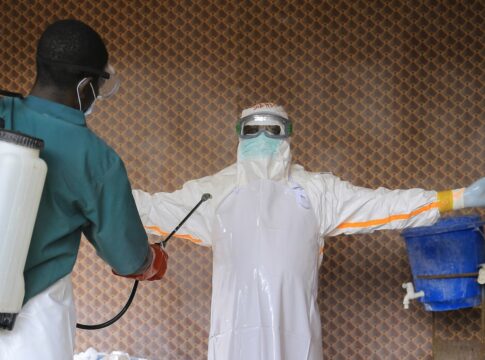
The Ebola outbreak in eastern Congo has claimed over 4,000 lives since May, with the death toll reaching 4,018 among 8,300 recorded cases, according to the Health Ministry’s latest figures released Thursday. The crisis has escalated into the deadliest Ebola outbreak in the nation’s history, threatening to surpass the West African epidemic that killed 11,000 people between 2014 and 2016.
Treatment Center Destroyed, Workers Flee
Military forces burned down an Ebola treatment facility this week while searching for weapons at a displacement camp in Kigonze, forcing 19,000 residents to abandon the site. The destroyed center had served as a transit point for infected patients near Bunia, the capital of Ituri Province. Julien Harneis, the United Nations senior Ebola coordinator, emphasized the severe consequences of losing such facilities, noting that establishing these centers requires substantial financial investment and staffing, both already scarce in the region.
The loss means patients will struggle to access critical care as health officials work to rebuild capacity. Harneis stressed that each destroyed facility represents lost resources and delayed treatment for communities desperately needing medical intervention.


Payment Disputes Hamper Response Efforts
Health workers in Ituri Province staged protests demanding overdue wages, with some employees unpaid since August and September. Surveillance team members gathered in Bunia carrying signs reading “No money, no data” and “No payment for months.” Biongi Beiza, a protester, reported receiving no explanation from administrators about the delayed compensation. These labor disputes mark another chapter in repeated strikes by frontline workers since the outbreak began, significantly hindering containment efforts and data collection essential for tracking the virus’s spread.
Bright Spots Amid Growing Challenges
Mobile laboratories have provided some progress in the fight against Ebola. Test results that previously required 72 hours now take just six hours, according to Doctor Lota Kalubi at a Butembo treatment center. Michel Ngimba from the National Institute of Biomedical Research explained these mobile units can quickly deploy to emergency situations in hard-to-reach areas. Despite this advancement, challenges persist as the World Health Organization warns about rapid spread into new health zones, straining already limited resources.
At least 50 health workers have died from the virus, and a Doctors Without Borders aid worker infected in Congo was evacuated to the Netherlands for specialized treatment. Weekly confirmed cases dropped from 850 cases and 470 deaths in mid-July to 490 cases and 230 deaths in September, though officials attribute this decline partly to insecurity and community resistance rather than genuine disease control. Local tensions remain high after a Congolese politician was beaten to death this week for defending government outbreak measures.