
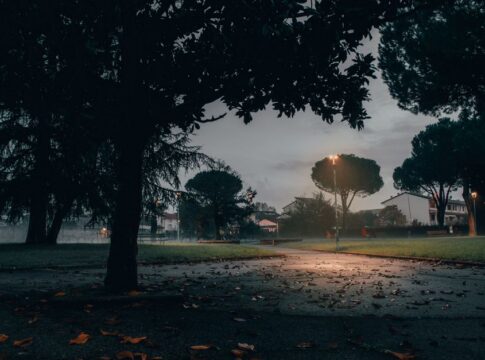
Copper wire thieves have disabled lighting at a Seattle park, forcing youth football teams to practice in darkness and renewing calls from prosecutors for stronger laws to track stolen metals through scrap recyclers.
Park Infrastructure Stripped for Scrap Metal
Thieves opened electrical junction boxes at Loyal Heights Playfield in Seattle and cut out copper wiring, leaving the facility without functioning lights. The theft has disrupted scheduled evening activities including youth athletics practices and team events. Parents discovered the problem when lights failed to turn on for multiple consecutive practices, forcing young athletes to train in unsafe conditions after sunset.
Matt Maynard, a Ballard resident whose son plays football at the field, described the impact on local families. His son’s team practiced in complete darkness after the field lights stopped working. The theft represents more than property damage—it eliminates safe recreation spaces that families depend on for their children’s activities and physical development.
Prosecutors Demand Legislative Action
King County Prosecuting Attorney Leesa Manion and Assistant Prosecuting Attorney Gary Ernsdorff are renewing their push for legislation requiring scrap metal recyclers to photograph purchased copper and upload details to a central database. The proposed law failed during the early 2026 legislative session but prosecutors plan to reintroduce it. According to Ernsdorff, Washington and Oregon rank among the hardest-hit states for copper theft nationwide, creating what he called an unwanted distinction for the Pacific Northwest.
Manion explained that current laws make prosecution nearly impossible unless thieves are caught in the act. Once copper wire leaves the theft site, identifying its origin becomes extremely difficult. The proposed database would give law enforcement a tool to trace stolen materials and deter criminals from selling wire stripped from public infrastructure.
Community Impact Beyond Parks
The theft problem affects legitimate scrap collectors who face suspicion from their communities. Matt Baum, who collects discarded metal from old appliances with property owner permission, said he encounters people who discuss stealing streetlight wire. He expressed frustration that infrastructure theft damages his community while casting suspicion on honest recyclers. The copper theft epidemic forces taxpayers to fund repeated repairs to public facilities while criminals profit from selling stolen materials to recyclers operating without adequate oversight or documentation requirements.