
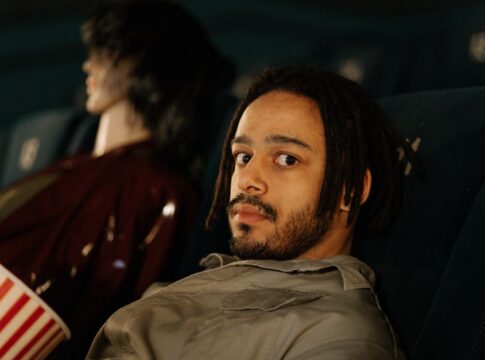
Photo: cottonbro studio / Pexels
By New Way News Newsroom, Entertainment Desk — Published November 8, 2026
Table of Contents
- Key Takeaways
- The Background & Context
- Why This Matters
- Reactions & Analysis
- What Happens Next
- Frequently Asked Questions
A provocative question is rippling through entertainment circles and cultural criticism: Has American culture entered its worst-ever era? The debate isn’t new, but it’s gaining urgency as critics from prestigious publications question whether the twenty-first century represents a cultural void, and even beloved pop icons face scrutiny over declining quality. The conversation touches streaming services, movies, television, and music—essentially every corner of the entertainment landscape Americans consume daily.
This isn’t just insider grousing. The question matters because pop culture shapes how we understand ourselves, process our times, and connect across divides. When The Atlantic poses the question directly and The Yale Review asks whether we’re living in a “cultural void,” they’re tapping into something many Americans feel but struggle to articulate: a nagging sense that despite unprecedented access to entertainment, something essential feels missing.
Even Taylor Swift, arguably the most dominant cultural force of the past decade, isn’t immune. Recent criticism of her work suggests that sheer popularity may no longer guarantee artistic merit—a shift that speaks volumes about our current moment.
Key Takeaways
- Major publications are openly questioning whether American culture has entered its weakest period, with discussions centered on the twenty-first century as potentially representing a cultural void.
- The debate spans all entertainment sectors—movies, television, streaming platforms, and music—suggesting systemic rather than isolated concerns about quality and cultural value.
- Even dominant pop culture figures face quality critiques, indicating that commercial success and cultural impact may be diverging in unprecedented ways.
- The conversation reflects broader anxieties about how Americans consume and create culture in an era of algorithmic recommendations and fragmented attention.
- Critics are examining whether technological abundance in entertainment has paradoxically led to creative poverty, raising questions about what future generations will remember from this period.
The Background & Context
American pop culture has weathered criticism before. Every generation believes its parents had better music, its grandparents better films. But something different animates today’s debate. We’re not comparing decades within living memory—the question now is whether our entire contemporary era fails to measure up to any previous period.
The streaming revolution promised infinite choice. Netflix, Disney+, Amazon Prime, and countless competitors deliver thousands of hours of content to our devices. The music industry rebounded from its napster-era crisis through Spotify and Apple Music. Hollywood produces more films annually than ever before. By every quantitative measure, we’re drowning in entertainment.
Yet quantity hasn’t translated to quality, critics argue. The Yale Review’s framing of the twenty-first century as a potential “cultural void” captures an essential paradox: more content, less culture. Where are the defining films that will matter in fifty years? Which television shows will students study in future media courses? What music from this decade will people still listen to when today’s teenagers reach retirement?
The entertainment industry’s business model shifted fundamentally. Studios prioritize franchises and intellectual property over original stories. Streaming platforms use algorithms to determine what gets made, chasing engagement metrics rather than artistic vision. Music increasingly follows viral TikTok trends, with songs engineered for fifteen-second clips rather than album-length artistic statements.
This industrial transformation happened gradually, then suddenly. The 2007 writers’ strike coincided with the rise of reality television. The 2010s saw superhero films dominate box offices while mid-budget dramas vanished. By 2020, the pandemic accelerated streaming’s takeover, closing theaters and remaking how Americans experience visual storytelling.
Why This Matters
Pop culture isn’t frivolous. It’s how societies process change, debate values, and imagine futures. The films, shows, and songs that define an era become the shared language of a generation. They provide common reference points in an increasingly fragmented nation.
When critics question whether we’re in the worst-ever era of American culture, they’re really asking: What will we leave behind? What are we creating that future Americans will treasure, study, and build upon? These questions matter because culture isn’t just entertainment—it’s legacy.
The economic stakes are substantial too. Entertainment represents a major American export, projecting soft power globally and employing millions domestically. If quality truly declines, international audiences may turn elsewhere. South Korean pop culture already competes seriously with American productions. British television maintains prestige American networks struggle to match.
For ordinary Americans, the cultural conversation reflects daily frustrations. How many times have you scrolled through streaming options for twenty minutes, finding nothing compelling? How often do you hear new songs that sound indistinguishable from last year’s hits? The sense that we’re paying more for less—more subscriptions, more choices, less satisfaction—isn’t just aesthetic complaint. It’s economic reality.
The criticism of even massively successful artists suggests something deeper. When a figure as commercially dominant as Taylor Swift faces quality critiques—as seen in recent commentary on her work—it indicates that popularity alone no longer satisfies cultural hunger. Americans sense the difference between what’s popular and what’s good, between what trends and what endures.
Reactions & Analysis
The cultural criticism community has split into camps. Some defend contemporary entertainment, pointing to prestige television’s golden age, innovative independent films, and diverse voices finally getting platforms. They argue that nostalgia distorts our view—every era had plenty of garbage alongside its gems.
Others take the critique further than even The Atlantic’s headline suggests. The Yale Review’s framing around whether the entire twenty-first century constitutes a cultural void represents the pessimistic pole. From this view, we’re not just in a rough patch but potentially in an extended period of cultural sterility that may define our era’s legacy.
Industry insiders offer more nuanced takes. Some acknowledge that risk-aversion has strangled creativity, particularly in big-budget filmmaking. Studios would rather produce the seventh installment of a franchise than gamble on original stories. Streaming platforms cancel shows after one season if they don’t immediately dominate viewership metrics, preventing the slow-burn classics that defined earlier television eras.
The criticism extends to specific artists and works. Recent commentary on Taylor Swift’s output—including an op-ed questioning the quality of her recent work—demonstrates that even the most commercially successful artists aren’t exempt from quality concerns. This matters because Swift has dominated pop music for over a decade, setting trends and breaking records. If her work now faces serious artistic critique despite continued commercial success, it suggests a broader disconnect between marketplace performance and cultural value.
Audience reactions reveal division too. Younger consumers, raised on streaming and algorithmic recommendations, often defend contemporary culture as more accessible and diverse than previous eras. Older audiences frequently express bewilderment at what passes for entertainment today, though critics dismiss this as predictable generational grumbling.
What Happens Next
The conversation itself may drive change. When prestigious publications openly question cultural quality, industry leaders notice. We may see renewed emphasis on artistic merit over algorithmic performance, though economic incentives remain powerful.
Technology will continue reshaping entertainment. Artificial intelligence already writes scripts, generates images, and composes music. Whether this democratizes creativity or further homogenizes output remains hotly debated. The answer may determine whether we escape or deepen our current cultural predicament.
International competition will pressure American entertainment. If audiences worldwide find better storytelling elsewhere, market forces may compel quality improvements. The success of non-English language films and shows on American streaming platforms hints at this dynamic already emerging.
Independent creators represent another potential path forward. Lower production costs and direct-to-audience platforms allow artists to bypass traditional gatekeepers. Some of tomorrow’s defining culture may emerge from creators who never pitch to studios or labels.
The question posed by The Atlantic and others may ultimately prove unanswerable until we gain historical distance. We can’t know what from our era will endure until decades pass. But asking the question matters. It challenges complacency, demands better, and reminds creators and consumers alike that culture matters beyond quarterly earnings reports.
Frequently Asked Questions
What makes this era different from previous periods of cultural criticism?
While every generation faces cultural critics, the current debate questions whether an entire century might represent a cultural void rather than just a weak decade or two. The scope and severity of the criticism, combined with structural changes in how entertainment gets produced and distributed, distinguish current concerns from typical generational complaints about declining standards.
Are there any bright spots in contemporary American pop culture?
Defenders of contemporary culture point to increased diversity in storytelling, breakthrough independent films, certain prestige television productions, and the accessibility that streaming provides to niche audiences. However, critics argue these bright spots exist despite rather than because of industry trends, and may not compensate for broader cultural thinning.
How does streaming affect cultural quality?
Streaming platforms use algorithms and viewership data to determine what content gets made and promoted, potentially prioritizing engagement metrics over artistic merit. The business model encourages binge-watching and rapid content turnover rather than creating works that resonate across time. This shift from curated programming to data-driven content may contribute to concerns about cultural decline.
Can individual artists reverse broader cultural trends?
Even the most successful contemporary artists face quality critiques despite commercial dominance, suggesting individual talent may not overcome systemic industry problems. While exceptional artists will always emerge, the structures determining what gets made, distributed, and promoted may constrain even the most gifted creators, limiting their cultural impact regardless of their commercial success.
Whether we’re truly living through the worst-ever era of American pop culture remains an open question. But the very fact that serious critics are asking suggests something has shifted. Americans deserve entertainment that challenges, inspires, and endures—not just content that fills time between advertisements. The conversation has started. Where it leads depends on whether creators, executives, and audiences demand something better than what algorithms recommend.