
Photo: Rafael Minguet Delgado / Pexels
By New Way News Newsroom, Economy Desk — Published September 11, 2026
Table of Contents
- Key Takeaways
- The Background & Context
- Why This Matters
- Reactions & Analysis
- What Happens Next
- Frequently Asked Questions
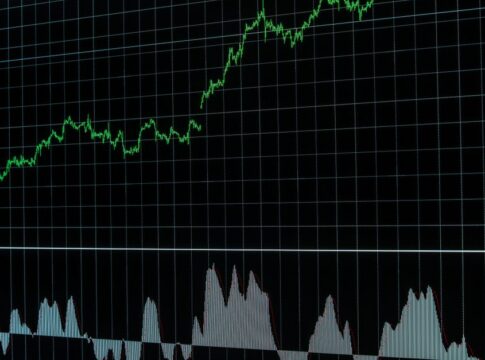
Wall Street rises sharply as investors breathe a sigh of relief. Stocks surged following a dual dose of encouraging economic news: oil prices retreated from recent highs, and fresh inflation data landed close to what economists had anticipated. The combination offered a reprieve to markets that have spent months wrestling with stubborn price pressures and the Federal Reserve‘s commitment to higher interest rates.
The rally underscores how sensitive financial markets remain to even modest shifts in the inflation narrative. For everyday Americans watching their 401(k) balances and wondering when relief might arrive at the gas pump, these movements carry real weight. Wall Street’s reaction signals cautious optimism that the economy may be finding a more stable footing after two years of turbulence.
Both the easing of energy costs and the inflation report arriving near forecasts suggest the Federal Reserve’s aggressive rate-hiking campaign may finally be gaining traction. Yet questions linger about whether this momentum can hold, and what it means for jobs, borrowing costs, and household budgets in the months ahead.
Key Takeaways
- Major U.S. stock indexes posted significant gains following positive economic signals on inflation and energy prices.
- Oil prices pulled back from elevated levels, offering potential relief to consumers facing high fuel and transportation costs.
- Latest inflation data came in near economist expectations, suggesting price pressures may be stabilizing rather than accelerating.
- The market response reflects investor hope that the Federal Reserve may moderate its aggressive interest rate policy.
- Energy cost fluctuations remain a critical variable in the broader inflation picture and economic outlook.
- Wall Street’s sensitivity to inflation readings highlights ongoing uncertainty about the economy’s trajectory.
The Background & Context
To understand why Wall Street reacted so enthusiastically to these developments, it helps to rewind the clock. The past two years have been among the most challenging for American investors and consumers in decades. Inflation surged to levels not seen since the early 1980s, driven by pandemic-era supply chain disruptions, massive government stimulus, and later, geopolitical shocks that sent energy prices soaring.
The Federal Reserve responded with its most aggressive interest rate increases in a generation. Beginning in March 2022, the central bank raised its benchmark rate from near zero to levels not seen in over fifteen years. The goal was straightforward: cool demand, slow price growth, and bring inflation back toward the Fed’s two percent target. But the medicine came with side effects.
Higher interest rates ripple through the entire economy. Mortgages become more expensive. Credit card balances carry steeper costs. Businesses face higher borrowing expenses, which can lead to hiring freezes or layoffs. Stock markets typically struggle when rates rise because bonds become more attractive alternatives, and corporate profits face pressure from increased financing costs.
Oil prices have been particularly volatile throughout this period. Energy costs affect virtually everything Americans buy, from groceries shipped across the country to the plastic packaging that holds consumer goods. When crude oil spikes, it acts like a tax on the entire economy, draining purchasing power from households and businesses alike. Conversely, when oil retreats, it can provide meaningful relief and help tame overall inflation.
Wall Street has been on a roller coaster, alternating between hope that inflation would cool quickly and fear that it would prove stubbornly persistent. Each monthly inflation report has become a major market event, capable of swinging indexes by hundreds of points. Investors parse every data release for clues about the Fed’s next move and the economy’s health.
Why This Matters
The intersection of falling oil prices and stable inflation readings carries profound implications for ordinary Americans, not just Wall Street traders. When markets rise, retirement accounts grow. Roughly half of American households own stocks either directly or through mutual funds and retirement plans. A sustained rally can restore wealth that evaporated during market downturns, helping families feel more secure about their financial futures.
But the real significance runs deeper than portfolio values. The inflation trajectory determines whether workers’ paychecks stretch further or continue losing ground to rising costs. It shapes whether the Federal Reserve will keep raising interest rates, making mortgages and car loans more expensive, or whether policymakers can pause and allow the economy to stabilize.
Lower oil prices translate directly to savings at the pump. The average American household spends thousands of dollars annually on gasoline and transportation. When crude prices ease, those savings can flow to other purchases or boost household savings rates. Businesses benefit too, as shipping and logistics costs decline, potentially slowing the price increases they pass along to consumers.
The job market also hangs in the balance. The Federal Reserve has made clear it’s willing to accept some economic pain to defeat inflation. Higher unemployment is explicitly part of the Fed’s strategy to reduce demand and cool prices. If inflation shows signs of moderating on its own, through factors like falling energy costs, the central bank might not need to push rates as high or keep them elevated as long. That could spare workers from a deeper downturn.
For younger Americans trying to buy their first home, the interest rate environment matters enormously. Mortgage rates have roughly doubled in the past two years, pricing millions out of homeownership. Any signal that the Fed might ease its restrictive stance offers hope that borrowing costs could eventually decline, making housing more accessible again.
Reactions & Analysis
Market participants greeted the news with clear enthusiasm, driving stock indexes higher across the board. The rally reflected a collective exhale from investors who have spent months bracing for worse outcomes. Each piece of moderately good news has been seized upon as evidence that the worst might be behind us.
The energy sector’s movements drew particular attention. Oil prices have been whipsawed by competing forces: concerns about Chinese demand, production decisions by major exporters, and uncertainty about global economic growth. A pullback in crude prices removes one significant headwind from the inflation fight and offers the Fed more flexibility in its policy decisions.
Inflation data arriving near expectations, rather than exceeding them, represents a subtle but important shift. For months, price increases repeatedly surprised to the upside, forcing the Fed to maintain its hawkish stance. When inflation lands where forecasters predict, it suggests the economy may be becoming more predictable and that disinflation is proceeding as hoped rather than stalling out.
Financial analysts noted that the combination of factors created an unusually positive backdrop for risk assets. Stocks had been trading in a narrow range, with investors reluctant to make big bets in either direction. The confluence of easing oil prices and in-line inflation data provided a catalyst for those sitting on the sidelines to step back into the market.
Some economists cautioned against reading too much into a single day’s movements or one data point. Inflation remains well above the Fed’s target, and the central bank has repeatedly warned it will stay the course until price pressures are convincingly defeated. Labor markets remain relatively tight, and wage growth continues at levels that make policymakers nervous about a wage-price spiral.
What Happens Next
The road ahead remains uncertain, despite Wall Street’s optimistic reaction. Markets will continue scrutinizing every economic release for signs of where inflation and growth are headed. The Federal Reserve meets regularly to assess conditions and adjust policy, and investors will parse every word from central bank officials for hints about future rate moves.
Oil prices remain vulnerable to sudden shocks. Geopolitical tensions, production disruptions, or unexpected changes in global demand can send energy markets surging again. A sustained decline in crude would be far more meaningful than a temporary dip, and only time will reveal whether recent price softness represents a new trend or a brief pause.
The labor market holds another key to the inflation puzzle. If unemployment rises as the Fed expects, wage pressures should ease, helping to cool inflation in the service sector where price growth has been most stubborn. But a sharp deterioration in jobs could push the economy into recession, creating a different set of problems for policymakers to navigate.
Consumer spending patterns will also shape the economic landscape. American households have been drawing down pandemic-era savings to maintain their lifestyles despite higher prices. As those reserves dwindle, spending may slow, reducing demand and helping to bring inflation down. But that process could be painful, potentially leading to layoffs and reduced economic activity.
For investors, the current environment demands careful attention to incoming data and flexibility to adjust as conditions evolve. The easy money era of the 2010s has ended, replaced by a more challenging landscape where both stocks and bonds face headwinds from higher rates and economic uncertainty. Diversification and patience have become essential strategies for navigating these turbulent markets.
Frequently Asked Questions
Why do oil prices have such a big impact on inflation?
Oil prices affect nearly every corner of the economy because energy is an input cost for transportation, manufacturing, and countless other activities. When crude oil becomes more expensive, those costs get passed along through higher gasoline prices, increased shipping charges, and elevated prices for petroleum-based products like plastics. Because energy touches so many parts of the economy, movements in oil prices can significantly influence overall inflation readings and consumer purchasing power.
How does Wall Street’s performance affect ordinary Americans?
Stock market movements impact roughly half of American households that own equities through retirement accounts, mutual funds, or direct investments. When Wall Street rises, those portfolios gain value, improving household wealth and financial security. Additionally, market performance influences business confidence, hiring decisions, and economic growth more broadly. Strong markets can encourage companies to invest and expand, potentially creating jobs, while sustained declines can trigger cutbacks and economic slowdown.
What does it mean when inflation comes in “near expectations”?
When inflation data arrives near expectations, it means the actual price increases measured for that period matched what economists and analysts had forecasted. This matters because surprises in either direction can rattle markets and influence Federal Reserve policy. Inflation exceeding expectations typically triggers concerns that price pressures are worsening, while data coming in as predicted suggests the economy is behaving in a more predictable manner and that current policies may be working as intended.
Could the Federal Reserve still raise interest rates despite this positive news?
Absolutely. The Federal Reserve has consistently emphasized it will maintain restrictive policy until inflation is convincingly defeated and heading back toward the two percent target. One favorable inflation report and a temporary dip in oil prices are unlikely to dramatically alter the Fed’s course. Central bankers have warned against prematurely declaring victory over inflation, noting that past cycles have shown price pressures can re-accelerate if policy eases too soon. The Fed will want to see sustained progress over multiple months before considering rate cuts.
Wall Street’s rally offers a moment of optimism in an otherwise challenging economic environment. Whether this proves a turning point or merely a temporary reprieve depends on forces still unfolding across the global economy. For now, investors and consumers alike can appreciate a rare bit of good news, even as they remain watchful for what comes next.