
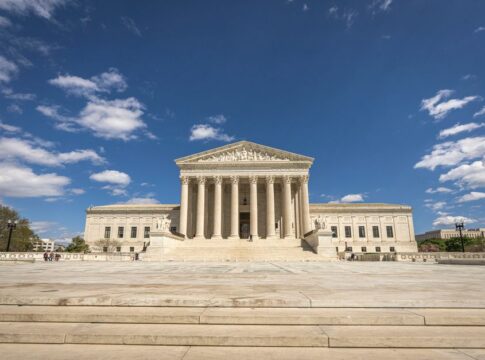
Photo: Mark Stebnicki / Pexels
By New Way News Newsroom, National Desk — Published September 1, 2026
Table of Contents
- Key Takeaways
- The Background & Context
- Why This Matters
- Reactions & Analysis
- What Happens Next
- Frequently Asked Questions
The Trump administration has turned to the nation’s highest court in an effort to keep construction moving on a controversial White House ballroom project. Trump officials asked the Supreme Court to allow work to proceed while legal challenges wind through the appeals process, setting up a clash over executive authority and federal construction oversight that could have lasting implications for presidential power.
The emergency request comes as lower courts have raised questions about the project’s legality and environmental review process. According to multiple reports, the Supreme Court has issued at least a preliminary decision allowing construction to continue for now, though the full legal battle remains far from resolved.
The case represents more than just a dispute over a single construction project. It tests the boundaries of presidential prerogative, the role of judicial review in executive decisions, and the balance between administrative efficiency and legal accountability in the federal government.
Key Takeaways
- Trump administration officials filed an emergency application with the Supreme Court seeking permission to continue White House ballroom construction during ongoing legal appeals
- The Supreme Court has allowed the ballroom project to proceed, at least temporarily, while the legal process continues
- Lower courts had previously raised concerns about the construction project, prompting the administration to seek relief from the nation’s highest judicial body
- The case involves questions of executive authority, federal construction oversight, and the scope of judicial review over presidential decisions
- The outcome could establish important precedents for how future administrations handle construction projects and respond to legal challenges
- The dispute highlights ongoing tensions between the executive branch and the judiciary over the limits of presidential power
The Background & Context
White House construction projects have long been subject to intense scrutiny. Every modification to the executive mansion carries symbolic weight and practical implications. The ballroom in question would alter the physical footprint of one of America’s most iconic buildings, a structure that belongs not to any single president but to the American people.
The legal pathway that brought this case to the Supreme Court began in lower federal courts. Those tribunals apparently issued rulings or raised questions that threatened to halt construction, prompting the Trump administration to seek emergency intervention from the justices. Such requests ask the Court to issue stays or temporary orders allowing activities to continue while appeals proceed through normal channels.
Emergency applications to the Supreme Court have become increasingly common tools for presidential administrations seeking to implement policies facing legal obstacles. The Court’s willingness to grant such requests can signal how it views the underlying legal questions and the balance between allowing elected officials to govern and ensuring they follow the law.
The construction project itself involves federal resources, taxpayer money, and alterations to a national historic site. Any work on the White House complex must navigate a complex web of preservation laws, environmental regulations, and congressional appropriations. These requirements exist to ensure transparency and accountability in how public buildings are modified.
Why This Matters
For American taxpayers, this case raises fundamental questions about oversight and accountability. Who decides how federal buildings are altered? What checks exist on presidential authority to modify government property? How much deference should courts give to executive branch construction decisions?
The Supreme Court’s decision to allow work to continue, even temporarily, carries significant practical consequences. Construction projects involve contracts, workers, materials, and momentum. Stopping and starting major building efforts can waste resources and increase costs. Yet rushing ahead despite legal questions can lock in irreversible changes before courts fully evaluate their legality.
This dispute also illuminates broader debates about executive power in the current political moment. Presidential administrations of both parties have increasingly sought to act quickly and decisively, sometimes testing legal boundaries. Courts serve as a critical check on that power, but their ability to provide timely review is often challenged by the pace of modern governance.
For residents of the nation’s capital and Americans who view the White House as a shared national symbol, the case touches on questions of heritage and identity. The executive mansion has evolved over two centuries, with each era leaving its mark. Decisions about how it changes today will affect how future generations experience this historic space.
The legal precedents established here could extend far beyond a single ballroom. They may shape how future administrations approach construction projects, respond to judicial review, and balance efficiency against legal compliance. The Supreme Court’s handling of the emergency request offers clues about how the justices view these competing interests.
Reactions & Analysis
The Supreme Court’s decision to let construction proceed, at least for now, represents a victory for the Trump administration in the short term. It allows the project to maintain momentum and suggests the justices saw sufficient grounds to grant the emergency relief requested. However, allowing work to continue during appeals does not necessarily predict how the Court will rule on the underlying legal merits.
Legal experts who follow Supreme Court procedures note that emergency applications receive less thorough review than full cases. The justices typically focus on whether irreparable harm would result from maintaining or changing the status quo, rather than diving deep into complex legal questions. A decision to allow construction during appeals may reflect practical concerns about project delays rather than endorsement of the administration’s legal position.
The case also highlights the Supreme Court’s role as final arbiter in disputes between branches of government. When executive actions face judicial challenges, the Court often must balance respect for democratic accountability against enforcement of legal constraints. These decisions carry political implications even when the justices attempt to apply neutral legal principles.
Critics of unchecked executive authority may view the lower court concerns as evidence that proper oversight mechanisms are working. Supporters of presidential prerogative may see the Supreme Court’s temporary green light as vindication that courts should not micromanage executive decisions. Both perspectives reflect genuine tensions in American constitutional design.
What Happens Next
The Supreme Court’s decision to allow construction to proceed for now does not end the legal battle. The underlying case will continue through the appeals process, with courts eventually rendering final judgments on the project’s legality. Those rulings could come months from now, potentially after construction has advanced significantly or even completed.
This timeline creates a complicated dynamic. If courts ultimately rule against the administration after construction has finished, remedies become far more difficult. Tearing down a completed ballroom would waste enormous resources. Yet allowing questionable projects to proceed simply because they were built quickly could undermine the entire concept of judicial review.
Future administrations will watch this case closely as they plan their own construction projects and legal strategies. The precedents set here may encourage or discourage aggressive executive action depending on how the courts ultimately resolve the underlying questions. The balance struck between efficiency and accountability will reverberate through government operations for years.
Congress may also take interest in this dispute. Lawmakers hold constitutional authority over federal property and appropriations. If they believe executive branch construction decisions are skirting proper oversight, they could impose new requirements or restrictions through legislation. The separation of powers involves all three branches, not just courts and presidents.
Frequently Asked Questions
What exactly is the Trump administration asking the Supreme Court to do?
The administration filed an emergency application asking the Supreme Court to allow White House ballroom construction to continue while legal appeals proceed through the court system. This type of request seeks temporary permission to maintain the status quo or continue activities that lower courts have questioned, preventing work stoppages during lengthy legal processes.
Has the Supreme Court made a final decision on this case?
No. According to reports, the Court has allowed construction to proceed for now, but this appears to be a temporary measure during the appeals process rather than a final ruling on the legal merits. The underlying legal questions will continue to be litigated in lower courts, with the possibility of eventual Supreme Court review on the substance.
Why would lower courts have concerns about a White House construction project?
Federal construction projects must comply with numerous laws governing environmental review, historic preservation, appropriations, and administrative procedures. Lower courts may have identified potential violations of these requirements or questions about whether proper legal processes were followed before construction began. The specific concerns have not been detailed in available reports.
What does this mean for presidential authority more broadly?
The case tests how much deference courts should give to presidential decisions about federal property and construction. The outcome could affect how future administrations approach similar projects and whether they face robust judicial review or operate with greater autonomy. It represents one example of the ongoing negotiation between executive power and judicial oversight in American governance.
As construction equipment continues operating and legal briefs pile up in courtrooms, this dispute over a White House ballroom has become a window into larger questions about power, accountability, and the rule of law. The Supreme Court’s ultimate handling of the case will send signals far beyond the walls of any single building, shaping the relationship between presidents and courts for years to come.