
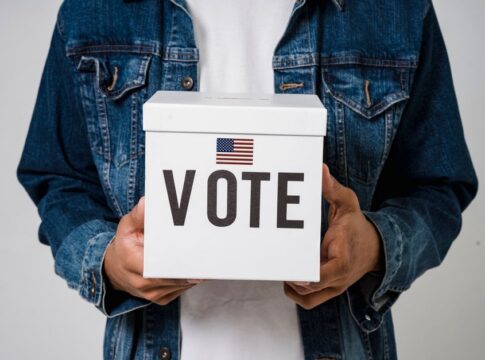
Photo: Sora Shimazaki / Pexels
By New Way News Newsroom, Politics Desk — Published October 24, 2026
Table of Contents
- Key Takeaways
- The Background & Context
- Why This Matters
- Reactions & Analysis
- What Happens Next
- Frequently Asked Questions
American voters heading to the polls in midterm elections send ripples far beyond U.S. borders. For European allies, the composition of Congress matters deeply—shaping everything from military aid packages to trade agreements and climate cooperation. Yet the relationship between Washington and European capitals operates within constraints that no single election can fully overcome.
The question of what midterms Congress could deliver for transatlantic relations has taken on fresh urgency. European policymakers are watching closely as campaigns unfold, knowing that shifts in legislative power can redirect American foreign policy priorities. But they’re also learning that preparation for political volatility must extend beyond any one election cycle.
This intersection of domestic politics and international relations reveals a fundamental truth: European security and economic interests increasingly depend on understanding the mechanics of American democracy, including the limits of what Congress can accomplish.
Key Takeaways
- Congressional elections directly influence U.S. foreign policy, including military support and diplomatic commitments to European allies
- The 2026 midterm election cycle will shape public policy decisions well before voters cast ballots
- European nations face the challenge of preparing for potential political shifts in Washington that transcend individual election outcomes
- Partisan control of Congress affects legislation on defense spending, trade agreements, and climate initiatives that impact Europe
- The structural features of American governance mean some foreign policy powers remain with the executive branch regardless of congressional composition
- Long-term strategic planning by European governments must account for recurring electoral volatility in the United States
The Background & Context
Midterm elections have historically served as referendums on presidential performance. They occur halfway through a president’s four-year term. Control of the House of Representatives and one-third of Senate seats hangs in the balance.
For European observers, these contests matter because Congress holds the purse strings. Military aid requires appropriations. Trade deals need ratification. Sanctions regimes demand legislative backing. A president’s foreign policy ambitions often live or die in committee rooms on Capitol Hill.
The transatlantic relationship has weathered dramatic swings in recent years. NATO commitments have been questioned and reaffirmed. Energy partnerships have shifted amid geopolitical crises. Climate accords have been joined, abandoned, and rejoined. Each transition creates uncertainty for European defense planners, business leaders, and diplomats.
Congressional power over foreign affairs operates through several mechanisms. Appropriations committees determine funding levels for military assistance and diplomatic programs. Foreign relations committees shape policy through hearings and legislation. Senate treaty ratification provides a constitutional check on executive agreements. These tools give lawmakers substantial influence over America’s international posture.
The 2026 election cycle presents particular complexities. Campaigns typically begin more than a year before voting day. Politicians start positioning themselves, making promises, and avoiding controversial votes that might haunt them later. This pre-election paralysis can freeze policy initiatives precisely when decisive action might be needed.
Why This Matters
American taxpayers fund the world’s largest military budget. Much of that spending supports alliances and commitments in Europe. Congressional decisions about defense appropriations directly affect the security architecture that has underpinned European stability for decades.
Trade represents another critical dimension. The United States remains Europe’s largest trading partner in goods and services. Tariff policies, regulatory harmonization, and investment rules all flow through congressional action. Changes in legislative priorities can reshape economic relationships worth trillions of dollars.
Climate policy illustrates how domestic politics intersect with global challenges. Congressional willingness to fund clean energy initiatives, participate in international agreements, and regulate emissions affects European efforts to coordinate worldwide responses to environmental threats. A Congress hostile to climate action complicates European diplomacy.
The stakes extend beyond policy specifics to questions of reliability. European governments make long-term commitments based on assumptions about American behavior. Defense procurement decisions span decades. Infrastructure investments require sustained partnerships. When congressional control swings wildly, planning becomes treacherous.
Citizens across Europe feel these impacts. Energy prices respond to transatlantic cooperation on sanctions and supply chains. Job markets react to trade policy shifts. Security concerns rise and fall with American commitment levels. The abstract machinery of congressional elections produces concrete effects in European households.
Reactions & Analysis
European policymakers have begun adapting their strategies to American electoral volatility. Some advocate for “strategic autonomy”—developing independent capabilities that reduce dependence on U.S. political cycles. Others emphasize deeper engagement with Congress itself, building relationships across party lines to maintain continuity.
The challenge runs deeper than any single midterm. Preparing for potential political shifts requires understanding that American democracy produces regular opportunities for course corrections. A president’s party typically loses congressional seats in midterm elections. The pattern repeats with remarkable consistency.
Looking ahead to 2026, analysts recognize that the midterm effect will begin influencing policy well before voters arrive at polling places. Legislators facing competitive races grow cautious. Controversial initiatives get shelved. Bipartisan cooperation becomes harder as parties seek electoral advantages through contrast rather than compromise.
This dynamic creates a paradox for European allies. The very democratic processes that make America an attractive partner also generate unpredictability. Free elections mean policy can shift. Congressional oversight provides accountability but also creates friction. The system’s strengths and weaknesses are inseparable.
Some European officials argue that a Democratic victory in congressional elections isn’t sufficient protection against future disruption. The possibility of dramatic policy reversals requires structural adjustments in how Europe approaches transatlantic relations. Hedging strategies and contingency planning become essential.
What Happens Next
The immediate future involves European governments watching American political developments with intense interest. Campaign rhetoric offers clues about legislative priorities. Primary elections reveal party sentiment. Polling data suggests possible outcomes. This intelligence gathering has become a permanent feature of European statecraft.
Congressional composition after any midterm election will shape the legislative agenda for two years. But the effects ripple outward. A Congress that blocks presidential initiatives on foreign aid might embolden adversaries. One that enthusiastically funds defense cooperation might reassure nervous allies. The signal matters as much as the substance.
European leaders face difficult choices about resource allocation. Investing in independent military capabilities costs money that could fund other priorities. Building redundant supply chains reduces efficiency. The price of hedging against American unreliability is real and substantial.
Yet the alternative—assuming continuity in American policy regardless of electoral outcomes—carries its own risks. European security depends partly on American commitments that could weaken or vanish after any given election. Prudent planning requires acknowledging this reality.
The 2026 cycle will test whether lessons from recent years have been absorbed. Will European governments maintain engagement across the American political spectrum? Will they accelerate efforts toward greater autonomy? The answers will shape transatlantic relations for years to come.
Frequently Asked Questions
How do midterm elections affect U.S. foreign policy toward Europe?
Midterm elections determine which party controls Congress, directly influencing legislation on military aid, trade agreements, and diplomatic initiatives. Congressional committees oversee foreign policy spending and can block or advance presidential priorities. Changes in party control often mean shifts in legislative priorities that affect European interests, from defense appropriations to climate cooperation. However, some foreign policy powers remain with the president regardless of congressional composition.
Why should European governments care about American congressional elections?
European security and economic interests are deeply intertwined with American policy decisions that require congressional approval. Defense spending, NATO commitments, trade relationships, and climate initiatives all depend on legislative action in Washington. Congressional elections can redirect these priorities, affecting everything from military support levels to regulatory cooperation. European governments must understand American political dynamics to plan effectively and maintain stable partnerships.
What can Congress actually change about U.S.-Europe relations?
Congress controls appropriations for military assistance, foreign aid, and diplomatic programs. It ratifies treaties, confirms ambassadors, and shapes trade policy through legislation. Congressional oversight can pressure executive branch decisions on sanctions, defense commitments, and international agreements. However, the president retains significant independent authority over foreign affairs, including treaty negotiation, military deployment, and diplomatic recognition. The balance between congressional and presidential power creates both opportunities and limits.
How are European nations preparing for future American political shifts?
European governments are pursuing multiple strategies, including building relationships with American lawmakers across party lines to maintain continuity regardless of election outcomes. Some nations are investing in greater military and economic autonomy to reduce dependence on American political cycles. Others emphasize deeper institutional cooperation that can withstand electoral volatility. The challenge involves balancing continued partnership with prudent contingency planning for potential disruptions in American commitment levels.
The rhythm of American democracy will continue shaping European calculations for the foreseeable future. Elections bring opportunity and risk in equal measure. For European allies, success means understanding not just what a new Congress could change, but also preparing for what no election can resolve—the fundamental tension between democratic accountability and international stability.