
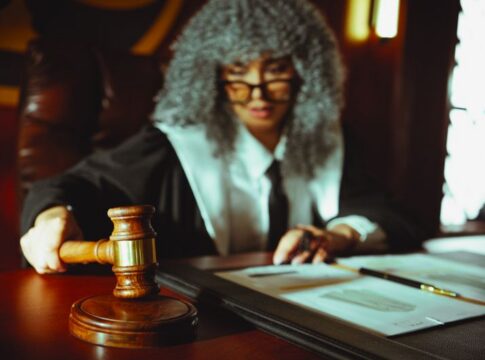
Photo: khezez | خزاز / Pexels
By New Way News Newsroom, Politics Desk — Published October 10, 2026
Table of Contents
- Key Takeaways
- The Background & Context
- Why This Matters
- Reactions & Analysis
- What Happens Next
- Frequently Asked Questions
A federal judge has challenged the Justice Department to defend the Trump administration’s controversial decision to ban certain news organizations from White House press access, signaling skepticism about the government’s rationale during a high-stakes court hearing. The case, brought by CNN, MSNBC, and Politico, centers on whether the administration can legally exclude media outlets from covering the White House—a question with profound implications for press freedom and government accountability.
As the judge presses Justice Department attorneys to justify the media ban, the courtroom drama reflects broader tensions between the executive branch and the press corps. The hearing comes at a critical moment when questions about transparency, constitutional rights, and the role of journalism in American democracy have taken center stage in political discourse.
The legal battle has drawn attention from across the political spectrum, with implications that extend far beyond the newsrooms directly affected. At stake is the fundamental principle of whether an administration can selectively grant or deny press credentials based on coverage decisions—a power that could reshape how Americans receive information about their government.
Key Takeaways
- A federal judge has questioned the Justice Department’s legal justifications for the White House press ban affecting major news organizations.
- CNN, MSNBC, and Politico are pressing the court to maintain an existing block on the Trump administration’s media access restrictions.
- The judge appeared skeptical of the administration’s arguments during the hearing, according to courtroom observers.
- The case raises fundamental questions about First Amendment protections and executive power over press access.
- The outcome could set precedent for how future administrations interact with the media and control information flow.
- The legal challenge intersects with ongoing debates about media credibility, government transparency, and democratic accountability.
The Background & Context
The confrontation between the White House and major news outlets represents the latest chapter in a long-running tension between the Trump administration and segments of the media. Press credentials and access to the White House have traditionally been governed by established norms and procedures, with revocations rare and typically tied to security concerns rather than editorial content.
The current dispute emerged when the administration moved to restrict access for certain news organizations, prompting immediate legal challenges. The affected outlets argue that such restrictions violate constitutional protections for a free press and represent an attempt to punish critical coverage. They contend that selective exclusion from White House briefings and events undermines their ability to inform the public about government actions and policy decisions.
The Justice Department has been tasked with defending the administration’s position in court. However, the judge’s pointed questioning suggests the government may face an uphill battle in convincing the judiciary that the restrictions are legally sound. Courts have historically been protective of press freedoms, particularly when government actions appear to target specific outlets based on their reporting.
This legal fight unfolds against a backdrop of broader debates about the media’s role in American politics. Campaign rhetoric, legislative discussions about media regulation, and congressional oversight of both the executive branch and major news organizations have all contributed to a charged atmosphere. The relationship between elected officials and the press has become increasingly contentious, with accusations of bias flowing in multiple directions.
Why This Matters
For ordinary Americans, this case carries significance that extends well beyond Washington power struggles. The ability of journalists to access government officials and events directly affects the quality and completeness of information citizens receive. When administrations can exclude news organizations at will, they gain greater control over the narrative and can potentially shield actions from scrutiny.
Voters rely on diverse news sources to make informed decisions during elections and to hold their representatives accountable between campaigns. If the executive branch can legally ban outlets whose coverage it dislikes, the marketplace of ideas shrinks. Citizens may find themselves with fewer independent sources of information about policy debates, legislative initiatives, and government operations.
The precedent set by this case could influence how future administrations—regardless of party—interact with the media. A ruling in favor of the government would grant broad discretion to control press access, potentially encouraging future presidents to exclude critical voices. Conversely, a decision favoring the news organizations would reinforce constitutional protections and limit executive power to restrict information flow.
Taxpayers fund the White House and its operations. The question of who gets to report on those activities from inside the building strikes at fundamental notions of transparency and public accountability. When government institutions can operate with reduced media oversight, the risk of unchecked power increases, affecting everything from spending decisions to policy implementation.
Reactions & Analysis
The judge’s apparent skepticism during the hearing has been noted by legal observers and media analysts. Judicial questioning that challenges government attorneys to provide stronger justifications often signals concern about the legal foundation of their position. While judges sometimes play devil’s advocate, the reported tone and substance of the inquiries suggest genuine doubt about the administration’s arguments.
The three news organizations—CNN, MSNBC, and Politico—have maintained a united front in pressing for continued judicial protection against the ban. Their legal teams have emphasized that the restrictions represent viewpoint discrimination prohibited by the First Amendment. By arguing that the government cannot punish news outlets for critical coverage through access restrictions, they are invoking well-established constitutional principles.
Political reactions have largely followed predictable partisan lines, with some lawmakers defending the administration’s prerogative to manage White House operations and others condemning the restrictions as authoritarian. Congressional debates about press freedom and executive authority have intensified, with some members calling for legislation to codify media access rights and others arguing that existing arrangements give too much power to unelected journalists.
Legal scholars have weighed in on the constitutional dimensions of the dispute. Many point to precedents establishing that while the government has some discretion in managing its facilities, it cannot exclude journalists based on the content of their reporting. The challenge for the administration is demonstrating that the restrictions serve a legitimate governmental interest unrelated to suppressing critical coverage.
What Happens Next
The judge’s decision will likely come in the weeks ahead, and whichever side loses will almost certainly appeal. Given the constitutional questions at stake, the case could eventually reach higher courts, including potentially the Supreme Court. The legal process may extend well beyond the current political moment, with implications lasting for years.
In the interim, the existing block on the ban appears to remain in place, allowing the affected news organizations to continue their White House coverage. This temporary status quo preserves access while the legal arguments play out, preventing immediate harm to the outlets and their audiences.
The outcome will influence how future administrations approach media relations and access policies. A government victory could embolden more aggressive attempts to control which journalists can cover official events. A win for the news organizations would reinforce traditional norms and make it harder for presidents to exclude critical voices.
Beyond the courtroom, the case is likely to fuel ongoing political debates about media bias, government transparency, and the proper relationship between the press and elected officials. Campaign platforms, legislative proposals, and public discourse about these issues will continue regardless of the legal outcome, reflecting deep divisions about the media’s role in American democracy.
Frequently Asked Questions
What specific news organizations are involved in this legal challenge?
CNN, MSNBC, and Politico are the three news organizations pressing the judge to keep the Trump White House ban blocked. These outlets represent a mix of television networks and digital journalism, all of which have maintained critical coverage of various administration policies and actions.
Can the White House legally ban news organizations from press events?
This is precisely the question the court is examining. While the White House has some authority to manage its facilities and operations, constitutional protections for press freedom limit the government’s ability to exclude journalists based on the content of their reporting. Courts have historically been skeptical of access restrictions that appear to punish critical coverage.
How does this case affect ordinary citizens?
The case directly impacts the quality and diversity of information available to the public about government activities. When administrations can exclude news organizations, citizens may receive less comprehensive coverage of policy decisions, legislative initiatives, and executive actions. This affects voters’ ability to make informed decisions and hold elected officials accountable.
What precedent could this case set for future administrations?
The ruling will establish important guidelines about executive power over press access. A decision favoring the government could give future presidents—of any party—greater authority to control which journalists cover White House events. A ruling for the news organizations would reinforce constitutional limits on such restrictions and protect diverse media access to government operations.
As this legal battle continues, Americans are reminded that the relationship between government and the press remains a work in progress, constantly tested by new political realities and technological changes. The judge’s skepticism offers hope to those who value press freedom, but the final outcome remains uncertain. What is clear is that the stakes extend far beyond any single administration or news organization, touching the very foundations of how democracy functions in an information age.