
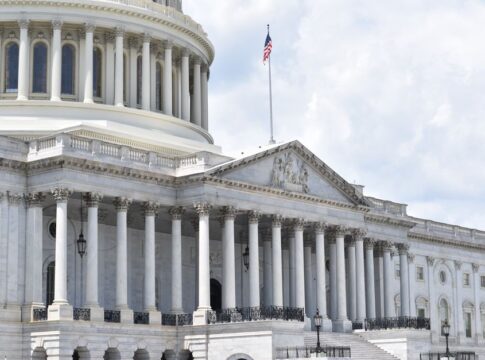
Photo: Gagan Kaur / Pexels
By New Way News Newsroom, Politics Desk — Published November 4, 2026
Table of Contents
- Key Takeaways
- The Background & Context
- Why This Matters
- Reactions & Analysis
- What Happens Next
- Frequently Asked Questions
The balance of power in Washington has shifted. With Democrats winning control of Congress, a new era of checks and balances has arrived that will reshape how the United States engages with the world. The election results mark a turning point in American politics, one that promises to complicate President Trump’s ability to set foreign policy unilaterally and could fundamentally alter the nation’s approach to everything from military engagement to trade agreements.
For the first time in years, Democrats control both chambers of Congress, giving them significant leverage over legislation, budgets, and oversight. This shift comes at a critical moment in global affairs, with ongoing tensions in Iran, the war in Ukraine, and complex relationships with allies and adversaries alike. The implications extend far beyond the Beltway, affecting American service members abroad, taxpayers funding foreign aid, and businesses navigating international markets.
The campaign trail rhetoric has given way to the hard work of governance. Now the question facing lawmakers, diplomats, and citizens is straightforward: What does Democrats control Congress actually mean for America’s role on the world stage?
Key Takeaways
- Democrats have secured control of both the House and Senate, fundamentally altering the political landscape and creating new constraints on executive foreign policy decisions.
- The shift in congressional power will directly impact how the United States handles critical international issues including Iran policy, support for Ukraine, and broader strategic relationships.
- Congressional Democrats now hold significant oversight authority and budget control, tools they can use to scrutinize and potentially block administration foreign policy initiatives.
- The change represents a return to divided government, forcing the White House to negotiate and compromise on international agreements, military deployments, and diplomatic priorities.
- American foreign policy could see increased emphasis on multilateral cooperation, human rights considerations, and congressional consultation before major international commitments.
- The political dynamics will test the constitutional balance between executive and legislative powers in shaping how America engages with allies and adversaries.
The Background & Context
The American system of government was designed with competing powers in mind. The Constitution grants the president significant authority over foreign affairs as commander-in-chief and chief diplomat. But Congress holds the purse strings. It declares war. It ratifies treaties. It confirms ambassadors and senior officials. When one party controls the White House and another controls Congress, these constitutional tensions become more pronounced.
For the past several years, President Trump pursued an assertive foreign policy agenda with relatively limited congressional interference. His administration withdrew from international agreements, imposed tariffs, repositioned military forces, and conducted sensitive negotiations with both allies and adversaries. Some of these actions drew bipartisan criticism, but without control of both chambers, Democrats had limited ability to constrain presidential action.
That dynamic has now fundamentally changed. The elections delivered Democrats the majority they needed to exercise genuine oversight. Committee chairmanships have flipped. Subpoena power has shifted. The legislative calendar is now set by Democratic leadership. This institutional transformation affects not just domestic policy debates about healthcare and taxes, but also how America projects power abroad.
Historical precedent offers lessons. During previous periods of divided government, foreign policy became more contentious and required greater compromise. Presidents found their options constrained by congressional skepticism, budget fights, and demands for consultation. The Iran-Contra affair, debates over military intervention in the Balkans, and disputes over trade agreements all demonstrate how congressional assertiveness can reshape executive foreign policy.
Why This Matters
Foreign policy might seem distant from everyday American life, but its effects ripple through communities across the country. Military families worry about deployments. Farmers depend on export markets. Manufacturers compete globally. Energy prices reflect international tensions. Immigration patterns respond to instability abroad. When Congress and the White House clash over international strategy, these real-world consequences multiply.
Consider Iran. Congressional Democrats have expressed deep skepticism about military escalation in the Middle East, remembering the costs of the Iraq War. With control of Congress, they can use appropriations riders to limit military action, demand detailed briefings, and potentially block funding for operations they consider unauthorized. For service members and their families, this means the political calculus around deployment has changed. For taxpayers, it affects how defense dollars are spent.
Ukraine presents another flashpoint. Support for Ukraine in its conflict with Russia has enjoyed bipartisan backing, but the details matter enormously. How much aid? What conditions? What oversight? Democratic control means more scrutiny of military assistance, more demands for transparency, and potentially more emphasis on diplomatic solutions. American businesses with interests in Eastern Europe, Ukrainian-American communities, and NATO allies all have stakes in these decisions.
Trade policy represents yet another arena where congressional control matters. Tariffs, trade agreements, and economic sanctions all intersect with foreign policy goals. Democrats have historically shown more concern about labor standards, environmental protections, and human rights in trade deals. Their control of Congress could reshape how America uses economic tools in international relations, affecting industries from agriculture to technology.
The broader question concerns America’s global posture. Should the United States prioritize unilateral action or multilateral cooperation? How should it balance competing interests in different regions? What role should human rights play in diplomatic relations? These philosophical questions have practical implications for everything from refugee policy to climate agreements to military alliances. With Democrats controlling the legislative branch, the answers are likely to shift.
Reactions & Analysis
The shift in congressional control has generated varied reactions across the political spectrum and among international observers. Foreign policy experts note that the change introduces both opportunities and complications for American diplomacy. Allies who prefer predictable, multilateral engagement may welcome greater congressional involvement. Adversaries might see divided government as weakness or opportunity.
Within Washington, the new dynamic is already reshaping conversations. Committee hearings will probe administration decisions with greater intensity. Budget negotiations will include more detailed debates about foreign aid, military spending, and diplomatic resources. Confirmation processes for ambassadors and senior officials may become more contentious, potentially leaving crucial posts vacant for extended periods.
The administration faces a more complex political environment. Unilateral action becomes riskier when Congress can respond with oversight, legislation, or budget cuts. Major initiatives will require more consultation, more compromise, and more public justification. This could slow decision-making but might also produce more durable policies with broader political support.
International partners are watching carefully. Diplomats in allied capitals understand that agreements negotiated with the executive branch now face uncertain congressional reception. This reality affects everything from defense cooperation to economic partnerships. Some allies may hedge their bets, reluctant to commit fully to initiatives that might not survive congressional scrutiny.
What Happens Next
The immediate future will test how this new political configuration functions in practice. Early confrontations are likely over issues where the administration and congressional Democrats have starkly different views. Iran policy tops that list, with Democrats skeptical of military action and eager to explore diplomatic alternatives. Expect intense debates over war powers, military authorizations, and the scope of presidential authority to use force.
Ukraine will demand sustained attention. Democrats will likely push for continued or increased support, but with greater oversight and transparency. Congressional delegations will visit Kyiv. Hearings will scrutinize aid effectiveness. The administration will need to justify its strategy in greater detail, explaining both successes and setbacks to skeptical lawmakers.
Longer term, the relationship between Congress and the White House on foreign affairs will establish patterns that could persist beyond this particular political moment. If Democrats successfully assert congressional prerogatives, future presidents of both parties may face similar constraints. If the administration finds ways to circumvent congressional oversight, the institutional balance could shift further toward executive power.
The 2024 election cycle looms as well. Foreign policy debates in Congress will become campaign fodder. Vulnerable members will face pressure from constituents with different views on international engagement. The politics of foreign policy, never simple, will become even more complex as electoral considerations intersect with genuine policy disagreements.
International crises could accelerate these dynamics. A major terrorist attack, regional war, or humanitarian catastrophe might unite Congress and the White House temporarily. Or it might deepen divisions, with each party blaming the other for failures. The unpredictability of global events means the relationship between the branches will remain fluid and contested.
Frequently Asked Questions
How does congressional control actually limit presidential foreign policy powers?
Congress controls federal spending, meaning it can defund military operations, foreign aid programs, or diplomatic initiatives it opposes. It also holds oversight authority, allowing committees to investigate executive branch actions, subpoena documents, and compel testimony from officials. Additionally, Congress must approve treaties, confirm key appointments, and can pass legislation constraining presidential action. While the president retains significant constitutional authority over foreign affairs, congressional opposition makes unilateral action far more difficult and politically costly.
What specific foreign policy areas will see the biggest changes under Democratic congressional control?
Iran policy stands out as a major area of potential conflict, with Democrats generally opposing military escalation and favoring diplomatic engagement. Support for Ukraine will likely continue but with increased oversight and transparency requirements. Trade policy may shift to emphasize labor and environmental standards more heavily. Climate diplomacy could receive renewed attention. Human rights considerations may play a larger role in bilateral relationships. Defense spending will face more scrutiny, particularly regarding specific weapons programs and overseas deployments.
Can the president still conduct foreign policy effectively with Congress controlled by the opposing party?
Yes, but it requires more negotiation and compromise. Presidents retain constitutional authority over diplomacy, military command, and day-to-day foreign relations. However, major initiatives work better with congressional support, which provides funding, political legitimacy, and durability beyond a single administration. Successful presidents in divided government situations typically invest in consultation, build bipartisan coalitions on specific issues, and choose their battles carefully. The process becomes more complicated but can produce more sustainable policies.
How quickly will Americans see the effects of this shift in congressional control on foreign policy?
Some effects will appear immediately through congressional hearings, oversight requests, and public statements challenging administration policies. Budget impacts will take longer, emerging through appropriations battles over the coming months. Major policy shifts typically require sustained pressure over time. Citizens might notice changes in issues that directly affect them—trade policy affecting jobs, military deployments affecting service families, or immigration policy responding to international conditions. The full impact will unfold over months and years rather than days or weeks.
The American experiment in divided government continues. With Democrats controlling Congress and shaping foreign policy through oversight, legislation, and budget power, the United States enters a period of contested international strategy. The outcome will depend on whether political leaders can find common ground on protecting American interests, or whether partisan division extends to how the nation engages with an increasingly complex world. For citizens, the stakes are real and the consequences will endure long after the next election cycle.