
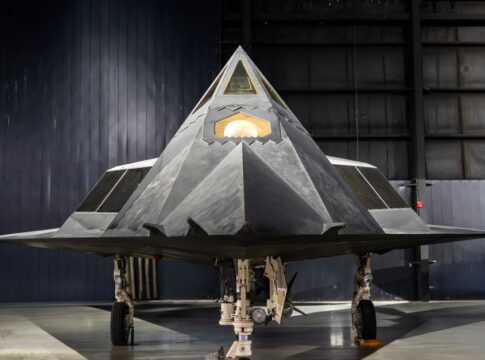
Photo: Ramaz Bluashvili / Pexels
By New Way News Newsroom, National Desk — Published September 27, 2026
Table of Contents
- Key Takeaways
- The Background & Context
- Why This Matters
- Reactions & Analysis
- What Happens Next
- Frequently Asked Questions
A federal appeals court has upheld the Pentagon’s authority to designate Anthropic, one of Silicon Valley’s leading artificial intelligence companies, as a potential supply chain risk to national security. The ruling marks a significant development in the ongoing tension between the defense establishment and the commercial AI industry, granting the federal government broad latitude to restrict how defense contractors engage with certain technology firms.
The decision comes at a critical juncture for American AI policy. Anthropic, the San Francisco-based developer of the Claude chatbot and a major competitor to OpenAI, now finds itself caught between commercial ambitions and defense department concerns. The appeals court allows Pentagon officials to maintain their designation despite the company’s objections, setting a precedent that could reshape how national security agencies interact with the rapidly evolving AI sector.
For American taxpayers and technology workers alike, the implications extend far beyond one company. The ruling effectively grants defense officials sweeping power to determine which AI firms can participate in the military-industrial complex, a decision that could influence billions in federal contracts and shape the competitive landscape of American innovation.
Key Takeaways
- A U.S. appeals court has upheld the Pentagon’s designation of Anthropic as a supply chain security risk, allowing the classification to stand.
- The ruling grants the Department of Defense authority to restrict how military contractors and defense-related entities can work with the AI company.
- Anthropic, a leading developer of advanced AI systems including the Claude chatbot, challenged the Pentagon’s designation through the courts.
- The decision sets a legal precedent for how the federal government can regulate commercial technology companies in the name of national security.
- Defense department supply chain designations can effectively bar companies from lucrative government contracts and partnerships with military contractors.
- The case reflects broader tensions between Silicon Valley innovation and Washington’s national security apparatus.
The Background & Context
Supply chain risk designations represent one of the Pentagon’s most powerful tools for protecting sensitive defense operations. When the Department of Defense labels a company as a potential security threat, it triggers a cascade of restrictions. Defense contractors must avoid or severely limit their use of that company’s products and services. The designation can effectively cut a firm off from the vast ecosystem of military spending.
Anthropic emerged as a major player in the AI arms race following its founding by former OpenAI executives. The company has positioned itself as a leader in AI safety research while developing increasingly sophisticated language models. Its Claude AI system competes directly with ChatGPT and other frontier models.
The Pentagon’s supply chain screening process intensified dramatically in recent years as concerns mounted about foreign influence in critical technology sectors. While traditionally focused on hardware manufacturers and telecommunications equipment, the program has expanded to scrutinize software and AI companies. The defense establishment worries about data security, algorithmic transparency, and potential vulnerabilities in systems that could eventually support military applications.
What makes this case particularly noteworthy is that Anthropic is an American company. Unlike previous high-profile designations targeting Chinese firms like Huawei or ZTE, this action targets a domestic technology leader. That distinction raises complex questions about how the government balances industrial policy, innovation incentives, and security imperatives.
Why This Matters
The stakes extend well beyond corporate balance sheets. For American citizens, this ruling touches on fundamental questions about government power, technological sovereignty, and economic competitiveness.
First, the decision establishes how much discretion defense officials possess in shaping the technology marketplace. If the Pentagon can designate major domestic AI firms as security risks with limited judicial oversight, it gains enormous influence over which companies thrive and which face existential barriers to growth. Defense contracts represent tens of billions in annual spending, and access to military customers often serves as a stamp of approval that opens doors throughout the private sector.
Second, the case illuminates the growing role of AI in national defense strategy. The Supreme Court and lower courts have historically granted the executive branch wide latitude in national security matters, a deference rooted in constitutional separation of powers. This ruling continues that pattern, suggesting courts will rarely second-guess Pentagon risk assessments even when they target American innovators.
Third, the designation system creates a two-tier technology economy. Companies blessed with defense approval gain privileged access to government resources, data, and partnerships. Those labeled as risks face a glass ceiling regardless of their technical capabilities. For workers in the AI sector, this sorting process determines which employers can offer the most secure, well-funded career paths.
The broader public should care because these decisions shape America’s competitive position in the global AI race. If overly restrictive security policies stifle domestic innovation, Chinese and European competitors could seize advantages. Conversely, if the government proves too permissive, genuine security vulnerabilities might emerge in critical defense systems.
Reactions & Analysis
The appeals court decision reflects a judiciary reluctant to override national security determinations made by executive branch agencies. Courts have consistently held that defense and intelligence agencies possess specialized expertise that judges cannot easily replicate. When the Pentagon claims a company poses supply chain risks, judges typically demand only that the decision followed proper administrative procedures and wasn’t completely arbitrary.
Legal experts note this ruling fits within a long tradition of judicial deference on national security questions. From World War II-era cases through post-9/11 terrorism litigation, courts have given the executive branch enormous discretion when officials invoke security concerns. The appeals court apparently concluded that Anthropic failed to demonstrate the Pentagon’s designation was legally defective, even if the company disputed the underlying factual assessment.
For the defense community, the ruling provides welcome clarity. Pentagon planners can proceed with confidence that their supply chain risk designations will withstand legal challenge, at least when they follow established procedures. This certainty allows for more aggressive screening of potential vendors and partners.
The technology industry faces a more complicated landscape. While some firms may welcome restrictions on competitors, the precedent creates uncertainty for every company hoping to work with defense agencies. The designation process remains somewhat opaque, leaving companies unsure what triggers scrutiny or how to remediate concerns once flagged.
What Happens Next
Anthropic now faces difficult strategic choices. The company could seek Supreme Court review, though the high court accepts only a tiny fraction of appeals and has historically shown even greater deference to executive branch security decisions than lower courts. Alternatively, Anthropic might work directly with Pentagon officials to address whatever concerns triggered the designation, a process that could take months or years with no guarantee of success.
The ruling will likely embolden the Department of Defense to expand supply chain screening across the AI sector. Other companies developing large language models, computer vision systems, or autonomous decision-making tools should expect increased scrutiny. The federal government appears determined to ensure that military applications of AI remain free from potential security vulnerabilities, even if that means restricting access to cutting-edge commercial technology.
Congress may eventually weigh in. Lawmakers from both parties have expressed concern about both AI safety and Chinese technological competition. Some might push for legislation that provides clearer standards for Pentagon designations, while others could grant even broader authority to restrict technology transfers. The political dynamics remain fluid as members balance constituent interests in Silicon Valley innovation against national security imperatives.
For defense contractors, the message is clear: expect continued and possibly expanding restrictions on which AI tools and partners you can use. Companies with existing Pentagon relationships will need robust compliance programs to ensure they don’t inadvertently incorporate designated technologies into defense projects.
Frequently Asked Questions
What does it mean when the Pentagon labels a company a supply chain risk?
A supply chain risk designation prohibits or restricts defense contractors from using that company’s products, services, or technologies in military-related work. The label can effectively exclude a firm from billions in government contracts and partnerships, even if the company never directly sells to the military. The designation reflects Pentagon concerns about security vulnerabilities, foreign influence, or other potential threats to defense operations.
Can Anthropic appeal this decision to the Supreme Court?
Yes, Anthropic retains the right to petition the Supreme Court for review. However, the Court accepts only a small percentage of cases and has historically shown great deference to executive branch decisions on national security matters. Given the appeals court ruling and the traditional judicial reluctance to override Pentagon security determinations, Supreme Court intervention appears unlikely unless the case raises novel constitutional questions or conflicts with other circuit court decisions.
How does this affect ordinary Americans who use Anthropic’s AI products?
For most consumers and businesses, the designation has no immediate impact. Anthropic can continue selling its Claude AI system and other products to commercial customers. The restrictions apply specifically to defense contractors and military-related applications. However, the designation could indirectly affect the company’s growth, funding, and competitive position, which might eventually influence product development and availability.
Are other AI companies at risk of similar Pentagon designations?
The ruling establishes that the Department of Defense has broad authority to designate AI companies as supply chain risks, creating potential exposure for any firm in the sector. Companies with foreign investment, unclear ownership structures, or operations that raise data security questions may face heightened scrutiny. The Pentagon has not publicly disclosed the specific criteria that triggered Anthropic’s designation, leaving other firms uncertain about what might prompt similar action against them.
The intersection of artificial intelligence, national security, and judicial oversight will continue generating legal and policy challenges for years to come. This appeals court decision represents one chapter in an ongoing story about how America governs its most powerful emerging technologies. The balance between innovation and security remains precarious, with stakes that extend from Silicon Valley boardrooms to military command centers and ultimately to every citizen who depends on both technological progress and national defense.