
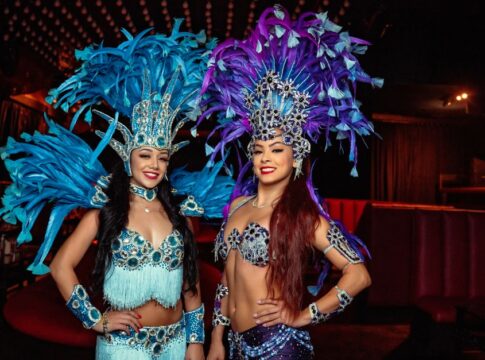
Photo: Denys Gromov / Pexels
By New Way News Newsroom, Entertainment Desk — Published September 20, 2026
Table of Contents
- Key Takeaways
- The Background & Context
- Why This Matters
- Reactions & Analysis
- What Happens Next
- Frequently Asked Questions
A new cultural celebration is set to spotlight the profound impact Hispanic artists and creators have had on American entertainment. “Cabaret Latino” will recognize the contributions that have shaped movies, television, streaming platforms, and the broader landscape of pop culture in the United States. The event arrives at a moment when Latino representation in American media continues to evolve, reflecting both progress and ongoing challenges in an industry where visibility remains a critical conversation.
The initiative underscores how deeply woven Hispanic creativity has become in the fabric of American entertainment. From the golden age of Hollywood to today’s streaming revolution, Latino performers, writers, directors, and producers have left indelible marks on the cultural products Americans consume daily. Yet their contributions have often been overlooked or undervalued in mainstream narratives about the development of American pop culture.
As the United States becomes increasingly diverse—with Hispanics representing nearly one in five Americans—the recognition of these cultural contributions takes on added significance. The entertainment industry serves as both mirror and mold for society, shaping how communities see themselves and how others perceive them.
Key Takeaways
- “Cabaret Latino” will celebrate and recognize Hispanic contributions to American pop culture across multiple entertainment platforms
- The event highlights decades of Latino influence on movies, television, streaming services, and broader entertainment media
- Hispanic representation in American entertainment has evolved significantly but continues to face challenges in visibility and recognition
- Latino audiences represent a major demographic force in the U.S. market, making their cultural contributions economically significant
- The recognition comes amid broader conversations about diversity and representation in Hollywood and streaming platforms
- Cultural celebrations like this help document and preserve the legacy of Hispanic artists who shaped American pop culture
The Background & Context
Hispanic influence on American entertainment stretches back more than a century. Silent film stars like Dolores del Río and Ramon Novarro captivated audiences in the 1920s and 1930s. Desi Arnaz revolutionized television production techniques while starring in “I Love Lucy,” one of the most influential sitcoms in American history. His innovations in multi-camera filming and syndication transformed the television industry forever.
The contributions extend far beyond on-screen talent. Latino writers, composers, choreographers, and behind-the-scenes professionals have shaped American entertainment in ways that often go unrecognized. The rhythms of Latin music have infused American pop music for generations, from mambo crazes to reggaeton’s current dominance on streaming charts.
In recent decades, the landscape has shifted. Rita Moreno broke barriers. Jennifer Lopez became a global superpower. Lin-Manuel Miranda redefined Broadway and brought hip-hop storytelling to American history. Directors like Alfonso Cuarón, Guillermo del Toro, and Alejandro González Iñárritu—the “Three Amigos” of cinema—have collected Oscars and critical acclaim while maintaining connections to their cultural roots.
Streaming platforms have accelerated change. Services like Netflix, Amazon Prime, and Disney+ have invested heavily in Latino-focused content, recognizing both the cultural importance and the market potential. Shows with predominantly Hispanic casts and creative teams have found mainstream success, proving that authentic representation can drive viewership across all demographics.
Yet challenges persist. Studies consistently show that Hispanics remain underrepresented both on screen and behind the camera relative to their population share. Stereotypical portrayals continue to surface. Many Latino actors report being pigeonholed into limited roles. The industry has made strides, but gaps remain between rhetoric about diversity and actual practice.
Why This Matters
Recognition matters because visibility shapes opportunity. When young people see themselves reflected in media, it expands their sense of possibility. When communities see their stories told with authenticity and respect, it validates their experiences and contributions to American society.
The economic stakes are substantial. Hispanic consumers represent enormous purchasing power in the entertainment market. They buy movie tickets, subscribe to streaming services, and drive trends on social media platforms. Content that resonates with Latino audiences can achieve both cultural impact and commercial success—a reality the industry is increasingly acknowledging.
Beyond economics, cultural representation affects social cohesion. Media shapes perceptions and influences how different communities understand one another. Authentic, nuanced portrayals of Hispanic experiences can combat stereotypes and build bridges across cultural divides. Conversely, limited or negative representations can reinforce harmful misconceptions.
For the entertainment industry itself, recognizing Hispanic contributions is about historical accuracy. The narrative of American pop culture is incomplete without acknowledging Latino artists and creators. Their innovations, performances, and creative visions have been essential to the development of film, television, and music as we know them today.
Events like “Cabaret Latino” serve an educational function. They create opportunities for audiences to learn about artists and contributions they may not have encountered. They preserve cultural memory and ensure that important legacies are not forgotten. They inspire the next generation of creators.
Reactions & Analysis
Cultural celebrations focusing on Hispanic contributions to entertainment have generally been well-received by communities who feel their stories have been marginalized. Advocates for diversity in media view such recognition as overdue acknowledgment of talent and creativity that has enriched American culture for generations.
Industry observers note that recognition events often coincide with broader shifts in how entertainment companies approach content creation and talent development. Major studios and streaming platforms have established diversity initiatives, though critics argue that meaningful change requires more than symbolic gestures—it demands sustained commitment to hiring, funding, and promoting Hispanic creators at all levels.
The timing of increased focus on Latino representation reflects demographic realities. As the Hispanic population grows, entertainment companies recognize both moral imperatives and market opportunities. Authentic representation is not just socially responsible; it’s good business strategy for reaching audiences that have been underserved by mainstream media.
Some commentators caution against treating Hispanic culture as monolithic. The Latino experience in America encompasses diverse national origins, immigration histories, language preferences, and cultural practices. Effective representation requires understanding this complexity rather than relying on broad generalizations or stereotypes.
What Happens Next
The trajectory of Hispanic representation in American entertainment will likely continue its upward trend, driven by demographic changes, audience demand, and creator advocacy. Streaming platforms, with their global reach and data-driven approach to content, may accelerate this shift by investing in diverse programming that appeals to both U.S. Latino audiences and international markets.
Recognition events like “Cabaret Latino” could become more common as the industry grapples with its history and works toward more inclusive futures. These celebrations serve multiple purposes: honoring past contributions, highlighting current talent, and inspiring emerging creators.
The challenge ahead involves moving beyond surface-level diversity to substantive change. This means not just featuring Latino actors in prominent roles, but ensuring Hispanic writers, directors, producers, and executives have decision-making power. It means telling a wider range of Latino stories, not just those that fit comfortable narratives or appeal primarily to non-Hispanic audiences.
Younger generations of creators are already pushing boundaries. They bring fresh perspectives, blend cultural influences in innovative ways, and refuse to be constrained by traditional industry expectations. Their work suggests that the future of American entertainment will be increasingly multicultural, with Hispanic voices playing central roles.
Frequently Asked Questions
What is “Cabaret Latino” and what does it aim to accomplish?
“Cabaret Latino” is an event designed to recognize and celebrate the significant influence Hispanic artists and creators have had on American pop culture. It aims to highlight contributions across various entertainment platforms including movies, television, and streaming services, bringing visibility to the often-underappreciated role Latino talent has played in shaping American entertainment.
How have Hispanic creators influenced American entertainment historically?
Hispanic influence on American entertainment spans over a century, from early Hollywood stars to television innovators like Desi Arnaz, who revolutionized production techniques. Latino artists have contributed as actors, directors, writers, musicians, and producers, shaping everything from film genres to music trends. Their creative work has been integral to the development of American pop culture, even when not always receiving proper recognition.
Why is recognition of Hispanic contributions to entertainment important now?
Recognition matters because Hispanics represent nearly one in five Americans yet remain underrepresented in media relative to their population. Visibility in entertainment shapes cultural perceptions, creates opportunities for emerging talent, and ensures that the full story of American pop culture is told accurately. As the Latino population grows, authentic representation becomes both a cultural imperative and a market reality that the industry must address.
What challenges remain for Hispanic representation in American media?
Despite progress, Hispanics continue to be underrepresented both on screen and in creative leadership positions. Stereotypical portrayals persist, and many Latino actors report being limited to narrow role types. While streaming platforms and studios have made diversity commitments, critics argue that meaningful change requires sustained action in hiring, funding, and promoting Hispanic creators at all levels of the industry, not just symbolic gestures.
As “Cabaret Latino” prepares to shine a spotlight on Hispanic contributions to American pop culture, it serves as both celebration and call to action. The event honors a rich legacy while pointing toward a future where Latino voices are fully integrated into the entertainment landscape. For audiences across America, it offers a chance to appreciate the cultural richness that Hispanic creators have brought to the stories, music, and performances that define our shared cultural experience.