
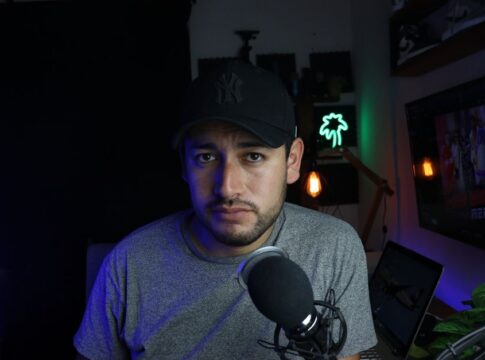
Photo: Benjamin Dominguez / Pexels
By New Way News Newsroom, Entertainment Desk — Published September 12, 2026
Table of Contents
- Key Takeaways
- The Background & Context
- Why This Matters
- Reactions & Analysis
- What Happens Next
- Frequently Asked Questions
The divide between traditional Hollywood stardom and digital celebrity is narrowing at a pace few anticipated. YouTube creators close in on Hollywood celebrities as they cement their status as mainstream cultural figures, challenging long-held assumptions about fame, influence, and entertainment in America. What was once dismissed as a niche phenomenon—online video personalities building audiences from bedrooms and home studios—has evolved into a cultural force rivaling the power of movie stars and television icons.
This shift represents more than a changing of the guard in pop culture. It signals a fundamental transformation in how Americans consume entertainment, whom they trust, and where they find cultural touchstones. YouTube’s own research suggests that mainstream culture hasn’t disappeared; it has simply migrated to new platforms and new faces.
The implications ripple across the entertainment industry, from how studios greenlight projects to how brands allocate advertising budgets. For millions of Americans, especially younger viewers, YouTube personalities have become more relatable, more accessible, and more influential than traditional celebrities walking red carpets or starring in summer blockbusters.
Key Takeaways
- YouTube creators are achieving cultural influence comparable to traditional Hollywood celebrities in the United States
- New research from YouTube challenges the notion that mainstream culture has fragmented or disappeared
- The gap between digital creators and traditional entertainment figures continues to narrow across multiple metrics of cultural impact
- This shift reflects broader changes in how Americans consume entertainment, with streaming and online video competing directly with movies and TV
- The phenomenon has significant implications for the entertainment industry, advertising, and the future of celebrity culture
The Background & Context
A decade ago, the idea that someone filming videos in their living room could rival the cultural cachet of an Oscar-winning actor would have seemed absurd. Hollywood maintained its stranglehold on mainstream culture through carefully controlled studio systems, multi-million dollar marketing campaigns, and exclusive access to distribution channels.
That ecosystem began crumbling as broadband internet became ubiquitous and smartphones put high-quality video cameras in every pocket. YouTube, launched in 2005, initially served as a repository for amateur clips and viral oddities. But savvy content creators recognized an opportunity to build direct relationships with audiences, unmediated by studio executives or network programmers.
The platform’s algorithm rewarded consistency and engagement over production budgets. Creators who posted regularly and connected authentically with viewers could build substantial followings. Some channels surpassed subscriber counts that dwarfed the viewership of prime-time television shows. Yet for years, mainstream media treated these figures as curiosities rather than legitimate cultural players.
That dismissive attitude became increasingly untenable as YouTube creators began filling arenas, launching product lines, and commanding appearance fees comparable to traditional celebrities. Advertisers noticed. Brands started shifting budgets from television commercials to influencer partnerships. The entertainment industry could no longer ignore the platform’s cultural weight.
Recent data indicates this evolution has reached a tipping point. YouTube creators are no longer alternative figures operating in parallel to mainstream culture. They are mainstream culture, competing directly with Hollywood for attention, influence, and cultural relevance.
Why This Matters
For American consumers, this shift represents both expanded choice and a democratization of celebrity. The traditional path to fame—talent scouts, auditions, studio contracts—required geographic proximity to entertainment hubs and often significant financial resources. YouTube lowered those barriers dramatically. Creators from small towns, diverse backgrounds, and unconventional perspectives could find audiences without relocating to Los Angeles or New York.
This matters for representation. While Hollywood has made strides in diversifying its output, the industry still operates within structural constraints that favor certain narratives and faces. YouTube’s creator economy, for all its flaws, allows niche communities to support content that might never receive studio backing. LGBTQ creators, people of color, disabled artists, and voices from economically disadvantaged backgrounds have built substantial platforms.
The economic implications extend beyond individual creators. The advertising industry has undergone seismic shifts as marketing dollars follow audiences online. Traditional media companies face existential questions about their business models when a single creator can deliver more engaged viewers than an expensive television production. This affects jobs throughout the entertainment ecosystem, from production crews to talent agents.
Parents and educators grapple with this new landscape too. When children’s role models are YouTubers rather than movie stars, different questions arise about parasocial relationships, content moderation, and the blurring of entertainment and advertising. The intimacy of YouTube’s format—creators speaking directly to camera, sharing personal details, responding to comments—creates different dynamics than traditional celebrity culture.
Cultural critics debate whether this shift represents genuine democratization or simply a new form of gatekeeping, with algorithms replacing studio executives in deciding who gets visibility. The answer likely lies somewhere between those poles, but the question matters for understanding how culture gets made and who gets to participate in that process.
Reactions & Analysis
YouTube itself has positioned these findings as evidence that reports of mainstream culture’s death have been greatly exaggerated. Rather than fragmenting into isolated niches, the platform argues, culture has simply found new gathering places and new avatars. The research suggesting mainstream culture persists challenges narratives about endless fragmentation in the streaming age.
Industry observers note that Hollywood has responded to this challenge with a mixture of adaptation and resistance. Major studios now court YouTube stars for film roles, recognizing their ability to deliver built-in audiences. Streaming services recruit popular creators to develop original content. Yet tensions persist over creative control, compensation structures, and the fundamental question of what constitutes professional entertainment.
Traditional celebrities increasingly maintain YouTube channels themselves, recognizing the platform’s importance for direct fan engagement. This convergence blurs the lines between categories. Is a movie star who vlogs regularly still purely a Hollywood figure? Is a YouTuber who lands a Netflix series still primarily a digital creator?
Marketing professionals have embraced the shift enthusiastically. Influencer marketing has grown from experimental budgets to core strategy for major brands. The ability to target specific demographics with measurable engagement metrics appeals to advertisers frustrated by traditional media’s opacity. Some agencies now specialize exclusively in creator partnerships, a sector that barely existed fifteen years ago.
Cultural commentators remain divided. Some celebrate the disruption of Hollywood’s monopoly on fame and the opportunities for diverse voices. Others worry about the lack of editorial oversight, the prevalence of undisclosed advertising, and the psychological toll of constant content production on creators themselves. Both perspectives contain truth.
What Happens Next
The trajectory points toward further convergence rather than separation. As YouTube creators achieve mainstream status, they’ll likely face similar pressures and constraints as traditional celebrities—publicists, brand management, careful image cultivation. The scrappy authenticity that built many channels may prove difficult to maintain at scale.
Regulatory attention will probably intensify. Questions about child labor laws for young creators, disclosure requirements for sponsored content, and platform accountability for harmful material will demand legislative responses. How policymakers navigate these issues will shape the creator economy’s evolution.
Traditional entertainment companies face strategic choices. They can continue integrating digital creators into conventional formats, potentially diluting what made those creators appealing. Alternatively, they might adopt more creator-friendly production models, ceding some control for greater authenticity. The studios that thrive will likely pursue hybrid approaches.
For audiences, the abundance of choice will continue expanding. The challenge becomes curation—finding quality content amid overwhelming volume. Platforms that solve this discovery problem effectively will wield enormous influence over culture’s direction.
The generational divide will persist. Younger Americans who grew up with YouTube as primary entertainment will carry different cultural references and celebrity attachments than those raised on traditional media. This gap will influence everything from political communication to artistic expression.
Frequently Asked Questions
How did YouTube creators become as influential as Hollywood celebrities?
YouTube creators built influence through direct, consistent engagement with audiences over many years. Unlike traditional celebrities filtered through studios and publicists, creators developed intimate connections by speaking directly to viewers, responding to comments, and sharing personal content. As their subscriber bases grew to rival television audiences, their cultural impact naturally expanded. The platform’s global reach and algorithmic distribution gave successful creators visibility that matched or exceeded traditional media exposure.
Does this mean traditional Hollywood is dying?
Not necessarily. The entertainment landscape is expanding rather than replacing one form with another. Hollywood studios still produce blockbuster films and prestigious television that attracts massive audiences. However, they now share cultural space with digital creators rather than monopolizing it. Many industry players are adapting by incorporating YouTube talent into traditional projects or developing hybrid content strategies. The future likely involves coexistence and cross-pollination rather than the death of either format.
Why should Americans care about this shift in celebrity culture?
This transformation affects how culture gets created, who gets to participate, and where advertising dollars flow. It influences which stories get told, whose perspectives gain visibility, and how the next generation understands fame and success. The shift also has economic implications for jobs in entertainment, media, and advertising. For parents, it changes the landscape of children’s role models and entertainment consumption. Understanding these dynamics helps citizens navigate a rapidly evolving media environment.
What makes YouTube creators different from traditional celebrities?
YouTube creators typically maintain more direct relationships with their audiences, posting content regularly and often responding personally to viewer feedback. Their content production is usually less filtered by corporate intermediaries, though successful creators increasingly work with management teams. The barrier to entry is lower, allowing diverse voices without traditional gatekeepers. However, as creators achieve mainstream status, these distinctions may blur as they adopt professional teams and brand management strategies similar to traditional celebrities.
The closing of the gap between YouTube creators and Hollywood celebrities marks a genuine cultural inflection point. Whether this democratizes fame or simply creates new hierarchies remains to be seen. What’s certain is that the entertainment landscape Americans navigate today looks radically different than it did a generation ago, and the transformation shows no signs of slowing.