
Diplomatic Recognition Explained: Why Nations Change Allies
By Newsroom, Breaking News Desk — Published August 17, 2026
Table of Contents
- What Diplomatic Recognition Means in Practice
- Why Nations Withdraw or Grant Recognition
- Recognition’s Ripple Effects Across National and Global Systems
- The Gray Zones and Exceptions
- How Public Opinion and Civil Society Influence Recognition
- Frequently Asked Questions
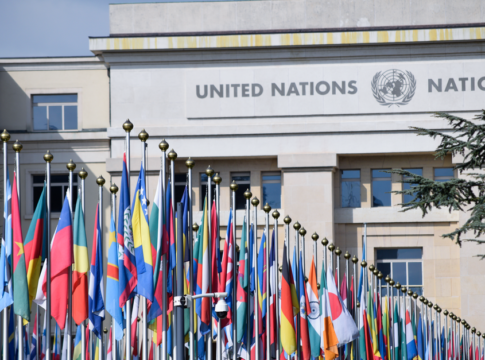
When a country suddenly announces it no longer recognizes another government, or when two long-time adversaries establish formal ties, the shift can dominate top headlines now and reshape global news developments overnight. But what does diplomatic recognition actually mean, and why do nations withdraw or grant it? Understanding diplomatic recognition explained reveals how governments decide who sits at the table of international relations—and who gets locked out.
Recognition is the formal acknowledgment that a government or state exists as a legitimate actor in the international system. It’s not merely symbolic. Recognition determines whether diplomats can operate, whether treaties hold weight, and whether a nation can access international organizations, trade agreements, and financial systems. When major news stories break about recognition shifts, they signal deeper currents: power realignments, ideological battles, or strategic calculations that affect everything from trade routes to military alliances.
What Diplomatic Recognition Means in Practice
Recognition operates on two levels. De jure recognition is the full legal acknowledgment of a government’s legitimacy and sovereignty. De facto recognition is more limited—an admission that a government exercises control over territory and people, without endorsing its legitimacy. The distinction matters. A nation might maintain de facto relations with a regime it considers illegitimate, conducting trade or consular services while withholding full diplomatic ties.
The practical consequences are immediate. Recognized governments exchange ambassadors, open embassies, and sign binding treaties. Their officials enjoy diplomatic immunity. They can join the United Nations and regional bodies. Banks process their transactions without legal complications. Unrecognized entities—whether breakaway regions, governments-in-exile, or contested regimes—operate in a legal twilight. They struggle to access international finance, enforce contracts across borders, or defend their interests in global forums.
Recognition also flows downward. A government that controls its capital and major cities but faces armed rebellion might see its recognition erode if other nations conclude the insurgents represent the legitimate authority. Conversely, a movement that controls little territory but commands international sympathy might receive recognition as the rightful government, setting up parallel diplomatic structures.
The Sovereignty Paradox
International law treats recognition as a discretionary act. No state is obligated to recognize another. Yet the system depends on mutual recognition to function. This creates a paradox: sovereignty is supposed to be inherent, not granted by others, yet without recognition, sovereignty remains largely theoretical. A government might control every inch of its territory, but if no other nation acknowledges it, that government cannot participate in the international system that defines modern statehood.
Why Nations Withdraw or Grant Recognition
Strategic interests drive most recognition decisions, though governments rarely admit this openly. When current events headlines announce a recognition shift, several factors are usually at work.
Geopolitical alignment tops the list. Recognizing a new government signals partnership; withdrawing recognition signals disapproval or a pivot toward rivals. During the Cold War, recognition often followed ideological lines, with Western nations recognizing one claimant to power and Soviet-aligned states recognizing another. Today’s recognition battles still reflect great power competition, though the fault lines have shifted.
Economic incentives matter enormously. A government with vast natural resources or strategic infrastructure can attract recognition even from nations that privately deplore its methods. Trade agreements, investment protection, and access to markets all hinge on formal diplomatic relations. When trending news updates report a surprising recognition shift, financial interests often lurk beneath the official explanations about democracy or human rights.
Domestic politics shape recognition decisions too. Diaspora communities, ethnic lobbies, and ideological factions pressure governments to recognize or shun particular regimes. An administration facing election pressures might time a recognition announcement to appeal to key constituencies. What looks like a foreign policy decision is sometimes domestic theater.
Legal and normative concerns occasionally drive recognition choices. Governments formed through coups, invasions, or blatant electoral fraud face recognition challenges, at least initially. International norms against acquiring territory by force or overthrowing constitutional order create pressure to withhold recognition. But these principles bend when interests demand. History shows that initially unrecognized regimes often gain acceptance once they consolidate control and demonstrate staying power.
The Timing Question
Governments face a dilemma: recognize too early, and you legitimize a potentially unstable or unsavory regime; recognize too late, and you lose influence while others establish ties. This calculation explains why important news today about recognition often comes in waves, as nations watch each other and move in clusters. The first to recognize takes a risk. The last to recognize loses leverage.
Recognition’s Ripple Effects Across National and Global Systems
When national news coverage focuses on a recognition shift, the immediate diplomatic consequences are only the beginning. Recognition changes cascade through multiple systems.
International organizations must decide whether the newly recognized government takes the seat, or whether the previous claimant retains it. The United Nations has seen fierce battles over credentials, with competing delegations each claiming to represent the same country. Regional bodies face similar dilemmas. A government might be recognized by half the world but blocked from key institutions by the other half.
Financial markets react swiftly. Recognition can unlock frozen assets, enable bond issuance, and reassure investors. Withdrawal of recognition can trigger capital flight, banking freezes, and sovereign debt crises. Corporations operating in affected countries face legal uncertainty about which government can authorize contracts or impose regulations.
Military and security arrangements hinge on recognition. Defense treaties, intelligence sharing, and arms sales all assume formal diplomatic relations. When recognition shifts, security partnerships can unravel overnight, forcing governments to seek new protectors or go it alone.
Humanitarian operations become more complex. International aid agencies prefer working with recognized governments, which can provide legal frameworks and security guarantees. Unrecognized authorities struggle to coordinate disaster response, public health campaigns, or refugee assistance, even when they control territory and population.
The Gray Zones and Exceptions
Not every international relationship fits neatly into recognized or unrecognized categories. Governments have developed work-arounds that allow engagement without formal recognition.
- Liaison offices that function like embassies but carry different names, avoiding the formal recognition that embassy exchange implies
- Special representatives who conduct negotiations and maintain channels without holding ambassadorial rank
- Trade offices that handle commercial relations under private or semi-official status
- Consular services that assist citizens and process visas even in the absence of full diplomatic ties
- Participation in international forums on a case-by-case basis, neither fully admitted nor entirely excluded
These arrangements let governments pursue practical cooperation while avoiding political commitments. They acknowledge reality without conferring legitimacy. For entities seeking recognition, these partial relationships offer both hope and frustration—a foot in the door, but not a seat at the table.
How Public Opinion and Civil Society Influence Recognition
Recognition decisions once happened behind closed doors, announced as faits accomplis. Public pressure now shapes these choices more than before. Civil society organizations, media coverage, and social movements can make it politically costly to recognize or maintain ties with certain regimes.
Human rights documentation, investigative journalism, and activist campaigns create reputational risks around recognition. Governments must weigh strategic interests against domestic and international criticism. A recognition decision that makes sense on a spreadsheet might become untenable if it sparks boycotts, protests, or diplomatic isolation from allies.
Conversely, public campaigns can push governments toward recognition. Movements highlighting self-determination, democratic legitimacy, or humanitarian concerns can shift the political calculus, making recognition feasible or even popular where it once seemed impossible.
Frequently Asked Questions
Can a country exist without international recognition?
Yes, but with severe limitations. A government can control territory, provide services, and maintain order without recognition, but it cannot fully participate in international trade, access global financial systems, or join most international organizations. Unrecognized entities often develop informal work-arounds, but they operate at a significant disadvantage in a world built on mutual recognition among states.
Is recognition permanent once granted?
No. Governments can and do withdraw recognition when circumstances change. A coup, invasion, or fundamental change in government structure can prompt withdrawal. Strategic realignments or normative shifts can also lead nations to sever diplomatic ties. However, withdrawing recognition carries costs—lost influence, disrupted trade, and potential retaliation—so governments typically reserve this step for serious situations.
Who decides whether to recognize another country?
Each government makes its own recognition decisions based on its constitutional processes. In some systems, the executive branch holds sole authority; in others, legislative approval is required for certain diplomatic actions. There is no international body that grants or withholds recognition universally, though United Nations membership requires approval from existing member states and can serve as a form of collective recognition.
Does recognizing a government mean approving of it?
Not necessarily. Recognition acknowledges effective control and facilitates practical cooperation, but it doesn’t imply moral endorsement. Governments routinely maintain diplomatic relations with regimes they publicly criticize. The alternative—refusing to engage with any government that fails ethical standards—would leave much of the world diplomatically isolated and make addressing shared challenges like climate change or pandemic response nearly impossible.
Recognition remains one of the most consequential tools in international relations, a lever that governments pull to signal alignment, pursue interests, and shape the global order. When nations change allies, they’re not just shuffling diplomatic cards—they’re redrawing the map of who matters and who gets left behind. Understanding these shifts means looking past the official statements to the strategic calculations, economic pressures, and power dynamics that truly drive recognition decisions. The next time a headline announces a recognition shift, you’ll know it’s about far more than ceremony.