
Central Bank Interest Rates: How They Affect Your Life
By Newsroom, Breaking News Desk — Published August 25, 2026
Table of Contents
- How Central Bank Interest Rate Decisions Work
- The Chain Reaction Through Your Wallet
- Why Central Banks Raise or Lower Rates
- Global Connections and Market Reactions
- What Rate Changes Mean for Different Groups
- Frequently Asked Questions
When a central bank interest rate announcement hits the headlines, financial markets react instantly. Stock indices swing. Currency traders adjust positions. Bond yields shift. But the real story unfolds more slowly, in the decisions ordinary people make every day: whether to buy a home, refinance a mortgage, open a savings account, or expand a small business. Central bank interest rates are the lever that connects abstract monetary policy to the concrete reality of household budgets and business plans.
Understanding how this mechanism works matters because these decisions ripple through every corner of the economy. The rate set by a nation’s central bank—whether it’s the Federal Reserve in the United States, the European Central Bank, the Bank of England, or dozens of others worldwide—acts as the foundation for virtually every other interest rate in the financial system.
How Central Bank Interest Rate Decisions Work
Central banks don’t control the interest rate on your car loan or credit card directly. Instead, they set a benchmark rate that influences all other rates through the banking system. In the U.S., this is the federal funds rate—the rate banks charge each other for overnight loans. When the Federal Reserve raises or lowers this rate, commercial banks adjust their own lending and deposit rates accordingly.
The process typically begins with regular meetings of the central bank’s policy committee. These gatherings happen on a fixed schedule, though emergency sessions can be called during financial crises or other exceptional circumstances. Committee members review economic data: employment figures, inflation trends, GDP growth, consumer spending, manufacturing output, and dozens of other indicators.
The goal is to balance competing objectives. Most central banks aim to keep inflation stable—usually around 2 percent annually—while supporting maximum employment and economic growth. When inflation runs too hot, raising interest rates can cool down spending and borrowing. When the economy slumps and unemployment rises, lower rates can encourage investment and consumption.
The Chain Reaction Through Your Wallet
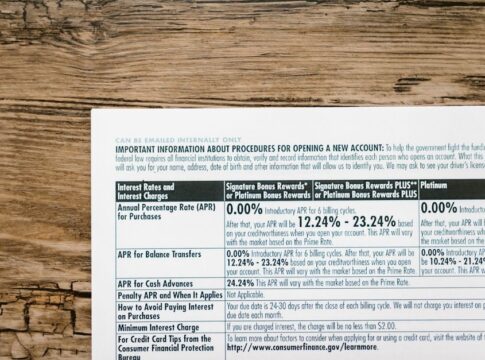
The transmission from central bank policy to your personal finances follows predictable channels. Higher benchmark rates mean banks pay more to borrow money themselves, so they charge more to lend it out. Mortgage rates climb. Auto loans become pricier. Credit card APRs tick upward. Small business lines of credit cost more to maintain.
The flip side: savers benefit. Banks offer better returns on savings accounts, certificates of deposit, and money market funds when the benchmark rate rises. After years of near-zero rates, even a modest increase can mean the difference between earning pennies on thousands of dollars versus earning meaningful interest income.
Housing markets feel the impact acutely. A percentage point increase in mortgage rates can add hundreds of dollars to monthly payments on a typical home loan. That shifts affordability calculations for millions of potential buyers. Real estate activity often slows when rates rise sharply, cooling home price appreciation—or even pushing prices down in overheated markets.
Business investment decisions hinge on these rates too. Companies weigh the cost of borrowing against expected returns from new equipment, expansion, or hiring. When rates are low, more projects clear the hurdle. When rates rise, only the most promising ventures justify the expense. This dynamic shapes job creation and wage growth across entire industries.
Why Central Banks Raise or Lower Rates
The primary trigger for rate changes is inflation. When prices rise too quickly, central banks typically respond by raising rates to slow spending and borrowing. Higher borrowing costs mean consumers think twice before financing big purchases. Businesses postpone expansions. Demand cools, and price pressures ease.
Conversely, when inflation runs below target or the economy contracts, central banks cut rates to stimulate activity. Cheaper credit encourages spending and investment. Lower mortgage rates can revive housing markets. Reduced business loan costs can spur hiring.
But the calculus involves more than just inflation and growth. Central banks monitor:
- Employment levels and wage trends, which signal labor market strength and potential inflation pressures
- Global economic conditions, since international trade and capital flows affect domestic economies
- Financial stability risks, including asset bubbles or excessive debt that could threaten the banking system
- Exchange rate movements, which influence import prices and export competitiveness
- Consumer and business confidence surveys, which predict future spending and investment
The timing and magnitude of rate changes involve judgment calls. Move too aggressively and risk triggering a recession. Move too timidly and let inflation become entrenched. Central bankers walk this tightrope constantly, knowing their decisions affect millions of livelihoods.
Global Connections and Market Reactions
Interest rate decisions don’t respect borders. When one major central bank adjusts rates, others feel pressure to respond. Capital flows toward higher returns, so if U.S. rates rise while European rates stay low, investors may shift funds across the Atlantic. That strengthens the dollar and weakens the euro, affecting trade balances and corporate profits.
Emerging markets face particular challenges. Many developing nations borrow in dollars or euros, so when rich-country central banks raise rates, debt servicing becomes more expensive. Higher rates in developed economies can also trigger capital flight from emerging markets as investors seek safer, higher-yielding assets elsewhere. This can force developing-country central banks to raise their own rates defensively, even if domestic conditions don’t warrant tightening.
Financial markets parse every word of central bank announcements. Traders scrutinize policy statements for hints about future moves. A single phrase change can move markets billions of dollars in seconds. This forward guidance—central banks’ communication about likely future policy—has become as important as the rate decisions themselves. Markets price in expected changes months in advance, smoothing the transition and reducing surprise shocks.
What Rate Changes Mean for Different Groups
Winners and losers emerge from every rate shift. Savers and retirees living on fixed incomes benefit from higher rates, earning better returns on conservative investments. Borrowers—especially those with variable-rate loans—face higher costs. First-time homebuyers may find themselves priced out of markets when mortgage rates jump.
Governments care deeply about these decisions too. Higher rates increase the cost of servicing national debt, potentially forcing budget trade-offs. Lower rates reduce debt burdens but can fuel concerns about fiscal discipline and long-term sustainability.
The stock market relationship is complex. Higher rates can hurt equities by making bonds more attractive and increasing corporate borrowing costs. But if rate increases reflect a strong economy, stocks may rise anyway on expectations of higher earnings. Context matters more than the direction of the rate change alone.
Frequently Asked Questions
How quickly do central bank rate changes affect consumer loans and savings accounts?
The speed varies by product. Variable-rate loans, including most credit cards and home equity lines of credit, typically adjust within one or two billing cycles. Fixed-rate products like traditional mortgages don’t change for existing borrowers, but new loans reflect current rates immediately. Savings account rates often lag, with banks slower to raise deposit rates than to increase lending rates. High-yield online savings accounts tend to respond faster than traditional brick-and-mortar bank accounts.
Can central banks keep raising rates indefinitely to fight inflation?
No. There are practical and economic limits. Extremely high rates eventually choke off economic activity, triggering recession and rising unemployment. Central banks must balance inflation control against the risk of causing severe economic contraction. Historical episodes of aggressive rate increases—such as the early 1980s in the United States—successfully tamed inflation but also caused deep recessions. Policymakers aim to raise rates enough to cool inflation without pushing unemployment to unacceptable levels.
Why don’t central banks just set rates at the perfect level to prevent all economic problems?
Economic systems are too complex and unpredictable for any single tool to manage perfectly. Interest rates affect the economy with long and variable lags—changes made today may not show full effects for six to eighteen months. Unexpected shocks like pandemics, wars, or financial crises can overwhelm monetary policy. Central banks also face information constraints, making decisions based on backward-looking data about an economy that’s constantly evolving. Even the best policy involves trade-offs and educated guesses about an uncertain future.
Do central bank decisions affect people who don’t borrow or save much money?
Absolutely. Interest rates influence employment, wage growth, and the prices of goods and services everyone buys. When rates rise and the economy slows, job opportunities may shrink and raises may be harder to secure. When rates fall and the economy accelerates, labor markets typically tighten, giving workers more bargaining power. Inflation—which central banks target through rate policy—directly affects purchasing power regardless of whether someone has a mortgage or savings account. The effects are widespread, even if the transmission channels aren’t always obvious.
Central bank interest rate policy remains one of the most powerful economic tools governments wield, touching nearly every financial decision households and businesses make. The next time a rate announcement dominates the news cycle, the real question isn’t just what the central bank decided—it’s how that decision will reshape the economic landscape you navigate every day.