
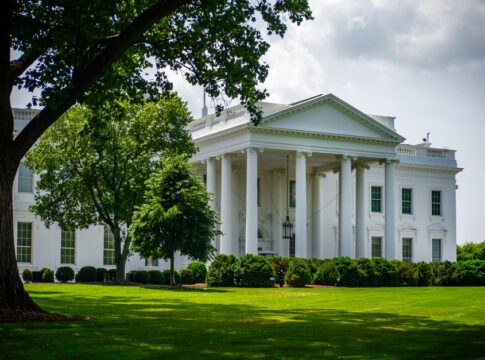
Photo: Ramaz Bluashvili / Pexels
By New Way News Newsroom, Politics Desk — Published October 31, 2026
Table of Contents
- Key Takeaways
- The Background & Context
- Why This Matters
- Reactions & Analysis
- What Happens Next
- Frequently Asked Questions
In a move blending energy diplomacy with campaign-season politics, President Trump announces the arrival of one million barrels of Venezuelan crude oil to Texas, marking a significant milestone in an unprecedented oil arrangement between the United States and the South American nation. The shipment landed just ahead of a major rally in the Lone Star State, strategically timed as Republicans make their final push for control of Congress in the upcoming midterm elections.
The delivery represents a dramatic shift in U.S.-Venezuela relations and energy policy. For years, Washington maintained strict sanctions on Venezuelan oil exports as part of a broader effort to pressure the Maduro regime. Now, crude from the once-isolated nation flows directly to American refineries along the Gulf Coast, a development that carries implications far beyond the campaign trail.
This historic oil deal arrives at a moment when energy prices remain a top concern for American voters and a central issue in midterm campaign messaging. Republicans have seized on high gasoline costs to criticize Democratic energy policies, while the administration frames the Venezuelan arrangement as proof of effective dealmaking that benefits American consumers and the domestic energy sector.
Key Takeaways
- One million barrels of Venezuelan crude oil have arrived in Texas as part of a historic agreement between the United States and Venezuela, representing a major shift in diplomatic and energy relations.
- The oil delivery coincides with President Trump’s rally in Texas as part of Republican efforts to energize voters and secure congressional seats in the midterm elections.
- The arrangement marks a reversal of longstanding U.S. sanctions policy toward Venezuela, raising questions about the balance between energy needs and foreign policy objectives.
- Economic analysts suggest oil price shocks that once hurt the American economy may now benefit the United States as Venezuelan crude flows to Texas refineries.
- The timing of the announcement underscores the intersection of energy policy, campaign politics, and legislative battles over America’s energy future.
- The deal positions energy independence and consumer fuel costs as central themes in the final weeks before voters head to the polls.
The Background & Context
Venezuela sits atop some of the world’s largest proven oil reserves. For decades, the nation was a major supplier to U.S. refineries, particularly those along the Texas and Louisiana coasts designed to process heavy crude. But political upheaval, economic mismanagement, and escalating tensions between Washington and Caracas changed everything.
U.S. sanctions targeting Venezuela’s oil sector intensified in recent years as part of a broader strategy to isolate the Maduro government. These restrictions effectively cut off Venezuelan crude from American markets, forcing refiners to seek alternative supplies from Canada, Mexico, and other sources. The policy carried costs. Heavy crude suitable for Gulf Coast refineries became harder to source, and global oil markets grew tighter.
The political landscape surrounding energy policy has grown increasingly contentious. Republicans have consistently pushed for expanded domestic drilling and fewer restrictions on fossil fuel production, arguing that energy independence strengthens national security and keeps prices low for American families. Democrats have countered with calls for accelerated transitions to renewable energy, even as they grapple with voter frustration over high costs at the pump.
Against this backdrop, the arrival of Venezuelan oil represents a pragmatic calculation. It provides relief to refineries, potentially moderates prices, and demonstrates tangible results that can be touted on the campaign trail. Yet it also reopens debates about America’s foreign policy priorities and whether economic interests should outweigh human rights concerns and geopolitical strategy.
Why This Matters
Energy costs touch every aspect of American life. Gasoline prices affect household budgets. Transportation costs ripple through supply chains, influencing the price of groceries, goods, and services. When voters feel economic pain, they express it at the ballot box.
The Venezuelan oil deal matters because it directly addresses one of the most visible economic concerns facing Americans today. Lower crude costs could translate to relief at the pump, a tangible benefit that resonates with working families struggling with inflation. For Texas specifically, the oil industry remains a cornerstone of the state economy, providing thousands of jobs and billions in economic activity.
Beyond immediate price impacts, the arrangement signals a willingness to prioritize energy security and economic interests over ideological rigidity. This pragmatic approach may appeal to voters tired of partisan gridlock and seeking leaders who deliver results rather than rhetoric. It also demonstrates how energy policy has become inseparable from electoral politics, with each barrel of oil carrying political weight alongside its economic value.
The timing matters too. Midterm elections historically serve as referendums on the party in power. Control of Congress hangs in the balance, and energy policy has emerged as a defining issue. Republicans hope to ride voter concerns about prices to legislative victories, while the oil deal provides a counternarrative: proof that dealmaking and strategic thinking can address real problems.
For the broader economy, the shift in oil flows carries structural implications. As Venezuelan crude returns to American refineries, it changes supply dynamics, potentially insulating the United States from certain types of global price shocks. What once hurt the American economy—volatility in international oil markets—may now work to the nation’s advantage as domestic refining capacity processes more readily available crude.
Reactions & Analysis
The announcement has generated mixed responses across the political spectrum. Republican candidates have embraced the development as evidence of effective leadership and a commitment to American energy dominance. The timing before a major Texas rally allows the party to amplify the message to a receptive audience in a state where oil and gas remain cultural and economic touchstones.
Critics, however, question the broader implications. Some foreign policy experts worry that economic engagement with Venezuela undermines years of pressure on the Maduro government and sends mixed signals to allies and adversaries alike. Human rights advocates express concern that oil revenue could strengthen a regime accused of authoritarian practices and democratic backsliding.
Economic analysts offer a more nuanced view. Reports indicate that oil price shocks now benefit the United States as Venezuelan crude flows to Texas, suggesting the deal aligns with American economic interests even as it complicates foreign policy calculations. The ability to process heavy crude at Gulf Coast refineries provides a competitive advantage, and diversifying supply sources reduces vulnerability to disruptions elsewhere.
Within Texas, reactions reflect the state’s complex relationship with energy. Oil workers and industry leaders generally welcome increased crude flows that support refinery operations and jobs. Environmental groups remain skeptical, arguing that any expansion of fossil fuel infrastructure delays necessary transitions to cleaner energy sources.
What Happens Next
The immediate focus remains on the midterm elections. Republicans will continue highlighting the oil deal as proof of competent leadership and economic stewardship. Democrats will need to craft responses that acknowledge energy concerns while defending their broader policy agenda.
Beyond the campaign, the Venezuelan arrangement raises questions about the future of U.S. energy and foreign policy. Will this represent a one-time shipment or the beginning of sustained oil flows? How will Congress respond, particularly if control shifts after the elections? Legislation governing sanctions, energy policy, and foreign relations could all come into play.
For Venezuela, the deal offers a potential pathway out of economic isolation. But much depends on political developments both in Caracas and Washington. The relationship remains fragile, subject to the whims of domestic politics in both nations and the unpredictable dynamics of international relations.
The oil industry will watch closely. Refiners need long-term supply certainty to make investment decisions. If Venezuelan crude becomes a reliable source again, it could reshape refining economics along the Gulf Coast. If the arrangement proves temporary or unstable, companies will continue seeking alternatives.
Voters, ultimately, will render their verdict. If gasoline prices moderate and economic conditions improve, the deal may be remembered as savvy statecraft. If prices remain high or other problems emerge, it may be forgotten amid larger campaign narratives. Energy policy will remain contested terrain regardless of electoral outcomes, with fundamental disagreements about America’s energy future unresolved.
Frequently Asked Questions
Why is Venezuelan oil coming to Texas now after years of sanctions?
The arrival of Venezuelan crude represents a shift in U.S. policy that balances energy needs with foreign policy objectives. While sanctions previously restricted Venezuelan oil exports, the current arrangement allows limited flows to American refineries, particularly those in Texas designed to process heavy crude. The timing coincides with efforts to address high energy costs and demonstrate tangible economic results ahead of the midterm elections.
How does this oil deal affect gasoline prices for American consumers?
The impact on gasoline prices depends on multiple factors including global oil markets, refining capacity, and overall supply and demand dynamics. The arrival of one million barrels provides additional crude supply to Gulf Coast refineries, which could help moderate prices over time. However, gasoline costs reflect complex market forces, and a single shipment represents just one element in a much larger energy picture.
What does this mean for U.S.-Venezuela relations going forward?
The oil deal signals a potential thaw in relations between Washington and Caracas, though significant tensions remain. The arrangement prioritizes economic and energy interests while leaving broader foreign policy questions unresolved. Future relations will depend on political developments in both countries, congressional action on sanctions policy, and whether the oil flows continue or represent a limited engagement.
How does this development affect the midterm elections and congressional races?
Energy policy has emerged as a central campaign issue, with Republicans emphasizing high gasoline costs and Democrats defending their approach to climate and energy transitions. The Venezuelan oil deal provides Republicans with a tangible achievement to highlight in their final push for congressional control, particularly in energy-producing states like Texas. The political impact will depend on whether voters view the arrangement as effective problem-solving or insufficient response to ongoing economic concerns.
As the first million barrels settle into Texas storage tanks, the intersection of energy, politics, and foreign policy has never been more visible. Whatever happens on election day, this moment captures how deeply oil flows through American political life—literally and figuratively—shaping campaigns, policy debates, and the daily lives of millions who simply want affordable fuel to get to work.