
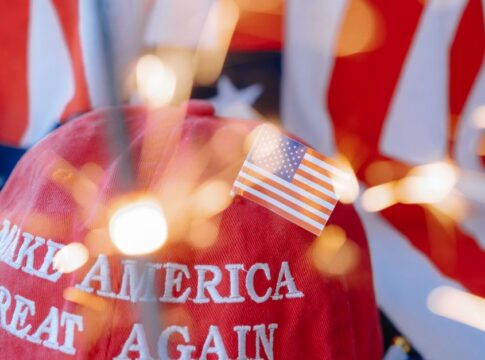
Photo: Polina Zimmerman / Pexels
By New Way News Newsroom, Politics Desk — Published September 19, 2026
Table of Contents
- Key Takeaways
- The Background & Context
- Why This Matters
- Reactions & Analysis
- What Happens Next
- Frequently Asked Questions
In a striking display of diplomatic protocol, President Donald Trump is preparing to personally greet Chinese President Xi Jinping at the airport when the Chinese leader touches down for a state visit to the United States. The trump airport greet represents an unusual departure from standard diplomatic practice, where heads of state typically meet at the White House or other official venues rather than at arrival gates.
This high-profile reception underscores the complex and consequential relationship between the world’s two largest economies at a time when trade tensions, technology competition, and geopolitical rivalries dominate the political landscape. The gesture carries symbolic weight in an era when every interaction between Washington and Beijing is scrutinized for signals about the future of global politics and American foreign policy.
The airport greeting comes as both nations navigate a relationship marked by cooperation and competition, with implications that ripple through Congress, campaign rhetoric, and legislation affecting American workers, businesses, and national security interests.
Key Takeaways
- President Trump will personally meet Chinese President Xi Jinping at the airport upon his arrival for a U.S. state visit, breaking with conventional diplomatic protocol.
- The airport reception signals the high stakes of U.S.-China relations during a period of intense economic and geopolitical competition.
- This diplomatic gesture occurs against a backdrop of ongoing trade negotiations, technology disputes, and strategic rivalries that affect American jobs and security.
- The meeting will likely influence congressional debates over China policy, trade legislation, and campaign messaging heading into election cycles.
- Both nations face domestic political pressures that shape their approaches to bilateral relations and international cooperation.
The Background & Context
Presidential airport greetings are reserved for the most significant diplomatic occasions. Historically, American presidents have met foreign leaders at airports only under special circumstances—typically to honor close allies or to signal the extraordinary importance of a visit. The decision to greet a visiting head of state at the airport rather than at the White House or another formal venue sends a clear message about the relationship’s priority.
U.S.-China relations have evolved dramatically over recent decades. From the normalization of diplomatic ties in the 1970s through China’s integration into the global trading system, the relationship has been characterized by economic interdependence alongside strategic competition. American consumers benefit from affordable Chinese-manufactured goods, while Chinese markets have provided opportunities for U.S. exporters and investors.
Yet tensions have mounted in recent years. Trade imbalances, intellectual property disputes, human rights concerns, and competition over technology leadership have strained the relationship. Congressional committees regularly hold hearings on China policy. Legislation addressing everything from trade practices to national security concerns related to Chinese technology companies has become a bipartisan priority on Capitol Hill.
The political dimension cannot be ignored. Campaign rhetoric around China has intensified across the political spectrum, with candidates from both parties positioning themselves as tough on Beijing. This reflects genuine policy concerns as well as the political utility of appearing strong on foreign policy issues that resonate with voters worried about American competitiveness and security.
Why This Matters
For ordinary Americans, the state of U.S.-China relations affects daily life in tangible ways. Trade policies influence the prices consumers pay for electronics, clothing, and countless other goods. Tariffs and counter-tariffs impact agricultural exports, affecting farm communities across the Midwest. Technology competition shapes which platforms Americans use and raises questions about data privacy and national security.
The relationship also carries profound implications for American workers. Manufacturing jobs, intellectual property protections, and the competitive landscape for American companies all depend partly on how Washington and Beijing manage their economic relationship. Congressional action on trade legislation can determine whether certain industries thrive or struggle.
National security considerations loom large as well. Military competition in the Indo-Pacific, cybersecurity threats, and the race for technological supremacy in areas like artificial intelligence and quantum computing all factor into the strategic calculus. Defense appropriations and military policy debated in Congress reflect these concerns.
The airport greeting serves as a visible reminder that personal relationships between leaders still matter in international politics. While institutional frameworks and formal negotiations drive policy, the rapport—or lack thereof—between presidents can influence outcomes. Voters and taxpayers have a stake in whether their elected leaders can effectively manage this critical relationship.
Reactions & Analysis
According to reports, the decision to meet Xi at the airport reflects careful diplomatic choreography. State visits are meticulously planned affairs, with every detail carrying potential meaning. The airport reception suggests an effort to demonstrate respect and signal the importance Washington places on the bilateral relationship, even amid ongoing disagreements.
Foreign policy analysts note that such gestures can create opportunities for substantive dialogue. Face-to-face meetings between leaders, beginning with an airport greeting, set a tone that can facilitate difficult conversations on contentious issues. The personal touch may help navigate tensions that might otherwise escalate.
Congressional responses to U.S.-China engagement typically span a spectrum. Some lawmakers emphasize the need for firm positions on trade enforcement and human rights, while others stress the importance of cooperation on global challenges like climate change and pandemic preparedness. The politics of China policy often defy simple partisan categorization, with diverse views within both major parties.
Business communities watch these diplomatic encounters closely. American companies with operations in China or those dependent on Chinese supply chains have economic interests in stable relations. At the same time, concerns about fair competition and intellectual property theft generate support for tougher policies. This tension plays out in lobbying efforts and legislative debates in Washington.
What Happens Next
The state visit will likely produce a mix of symbolic gestures and substantive discussions. Formal talks will address trade, security, and global governance issues. Any agreements or joint statements emerging from the visit will be scrutinized for evidence of progress or continued deadlock on key disputes.
Congress will continue to shape China policy through legislation and oversight. Trade agreements require congressional approval or at least tacit acceptance. Appropriations bills fund programs related to competition with China, from defense spending to research and development initiatives aimed at maintaining American technological leadership.
The political implications will extend into campaign seasons. How the administration handles China policy will become fodder for political debate. Candidates will cite the relationship as evidence of either effective leadership or missed opportunities, depending on their perspective and political interests.
For citizens, the ultimate test will be whether diplomatic engagement translates into outcomes that serve American interests. Do trade negotiations produce fairer terms? Can cooperation on global challenges yield results? Does competition remain managed and peaceful? These questions will shape public opinion and political fortunes.
Frequently Asked Questions
Why would a president greet a foreign leader at the airport?
Airport greetings are rare and reserved for visits of exceptional diplomatic importance. They signal respect for the visiting leader and emphasize the significance of the relationship. This protocol choice reflects careful consideration of how to set the tone for high-stakes discussions and demonstrates the priority placed on bilateral relations.
How does U.S.-China policy affect American workers and consumers?
Trade policies between the two nations directly impact prices for consumer goods, from electronics to clothing. Tariffs can raise costs for shoppers while potentially protecting certain domestic industries. Agricultural exports to China affect farm incomes, and manufacturing competition influences job availability in various sectors. Congressional legislation on trade shapes these economic realities.
What role does Congress play in China policy?
Congress exercises significant influence through trade legislation, appropriations for defense and technology programs, and oversight of executive branch negotiations. Lawmakers hold hearings, pass laws addressing specific concerns like intellectual property or national security, and can approve or reject trade agreements. Bipartisan interest in China policy makes it a frequent subject of congressional action.
How do state visits influence actual policy outcomes?
State visits provide opportunities for leaders to discuss contentious issues directly, potentially breaking deadlocks that stymie lower-level negotiations. The personal relationships formed can facilitate future communication during crises. However, symbolic gestures must be followed by substantive agreements and implementation to produce real policy changes that affect citizens and businesses.
As Air Force One and diplomatic motorcades prepare for this carefully choreographed encounter, Americans will be watching to see whether high-level engagement can address the complex challenges that define this critical relationship. The airport greeting may be just a moment, but the conversations it initiates will shape policies affecting millions.