
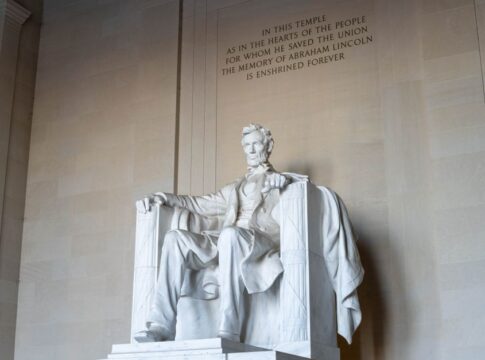
Photo: Quang Vuong / Pexels
By New Way News Newsroom, Entertainment Desk — Published September 5, 2026
Table of Contents
- Key Takeaways
- The Background & Context
- Why This Matters
- Reactions & Analysis
- What Happens Next
- Frequently Asked Questions
From the earliest days of radio to today’s streaming platforms, American presidents have understood a fundamental truth: to lead the nation, you must first capture its attention. The intersection of politics and entertainment has shaped presidential communication for nearly a century, transforming how commanders-in-chief connect with voters and cement their legacies. Presidents used culture not merely as decoration but as a strategic weapon in the battle for public opinion.
The relationship between the Oval Office and popular entertainment runs deeper than photo ops and late-night comedy sketches. It represents a calculated effort to meet Americans where they already gather—around television sets, in movie theaters, and now on their smartphones. Every president since Franklin Roosevelt has grappled with how to harness the dominant media of their era.
This evolution matters because it fundamentally alters the presidency itself. When a president appears on a talk show or references a hit TV series, they’re not just being relatable. They’re exercising power through cultural channels that bypass traditional gatekeepers and speak directly to millions of citizens.
Key Takeaways
- Presidents have strategically employed pop culture and entertainment media to communicate with Americans for nearly a century, adapting their approaches to each new technological platform.
- The shift from traditional press conferences to entertainment venues reflects changing media consumption habits among voters and the fragmentation of the information landscape.
- Presidential appearances in movies, television, and streaming content serve dual purposes: humanizing the office while controlling the narrative around their policies and character.
- The cultural presidency has become inseparable from the political presidency, with entertainment choices now considered essential elements of campaign strategy and governance.
- This trend raises questions about the balance between accessibility and dignity, and whether entertainment-focused communication undermines substantive policy discussion.
The Background & Context
The marriage of presidential politics and popular culture began in earnest during the 1930s. Franklin Roosevelt’s fireside chats transformed radio from an entertainment medium into a political lifeline, bringing the president’s voice directly into American living rooms. Roosevelt understood something his predecessors could not: mass media allowed a president to bypass newspapers and speak to citizens as if they were neighbors.
Television accelerated this transformation. John F. Kennedy’s telegenic appeal during the 1960 debates demonstrated that how a president looked on screen could matter as much as what he said. Kennedy didn’t just win a debate; he won a performance. Richard Nixon’s sweaty upper lip became political legend, a cautionary tale about ignoring the entertainment value of political communication.
Ronald Reagan, a former Hollywood actor, brought professional entertainment skills to the presidency. He knew his angles, hit his marks, and delivered lines with practiced ease. Critics called him the “Great Communicator,” but that title obscured a deeper truth: Reagan understood that the presidency had become a role to be performed, not just a job to be executed.
Bill Clinton’s 1992 appearance on The Arsenio Hall Show, saxophone in hand, marked a watershed moment. A sitting presidential candidate played Elvis Presley’s “Heartbreak Hotel” on late-night television, signaling that the boundary between politician and entertainer had grown dangerously thin—or strategically porous, depending on your perspective.
The digital age has only intensified this dynamic. Barack Obama appeared on “Between Two Ferns” with Zack Galifianakis to promote the Affordable Care Act. Donald Trump’s entire political brand emerged from reality television, bringing the aesthetics and confrontational style of “The Apprentice” directly into presidential politics. The streaming era offers presidents unlimited platforms to reach niche audiences without traditional media filters.
Why This Matters
The cultural presidency affects every American, whether they recognize it or not. When presidents choose entertainment over traditional press conferences, they’re making decisions about transparency and accountability. A scripted comedy sketch allows no follow-up questions. A podcast interview can be edited. A movie cameo requires no policy defense.
For voters, this shift presents both opportunities and challenges. On one hand, seeing presidents in casual, entertainment settings can reveal personality traits that formal speeches conceal. A president who jokes comfortably with a talk show host might seem more approachable, more human, more trustworthy. These impressions influence voting behavior and public approval ratings.
On the other hand, the entertainment presidency risks reducing complex policy debates to soundbites and memes. When political communication prioritizes virality over substance, citizens may feel informed while actually knowing less. A president can “win” the culture war while losing the policy argument, and vice versa.
The economic implications are substantial too. Presidential appearances on entertainment programs can boost ratings, sell subscriptions, and generate advertising revenue. This creates financial incentives for media companies to offer presidents friendly platforms rather than challenging interviews. The line between journalism and entertainment blurs, potentially compromising the press’s watchdog function.
For taxpayers, the question becomes whether presidential time spent on entertainment appearances serves the public interest. Does a podcast interview justify the security costs and staff hours required? These are not abstract concerns but practical questions about resource allocation and presidential priorities.
Reactions & Analysis
Political observers remain divided on whether the cultural presidency strengthens or weakens American democracy. Supporters argue that presidents must adapt to changing media landscapes or risk irrelevance. If citizens consume news through comedy shows and streaming platforms, presidents have a duty to meet them there. Accessibility matters in a democracy.
Critics counter that dignity and gravitas once associated with the presidency have eroded as entertainment considerations dominate communication strategy. They worry that future presidents will be selected more for their performance skills than their policy expertise or leadership qualities. The presidency, in this view, has become another reality show, with citizens cast as viewers rather than participants.
Media scholars note that the trend reflects broader changes in how Americans consume information. The three-network era has given way to infinite choice. Presidents no longer command attention simply by holding a press conference; they must compete with every other piece of content vying for citizen attention. Entertainment value becomes a prerequisite for political communication.
Constitutional experts point out that nothing in the founding documents anticipated a president who would need to consider Nielsen ratings or streaming metrics. The Electoral College system, designed in an era of limited communication, now operates in an environment where presidents can speak directly to millions through platforms the Founding Fathers could never have imagined. This disconnect between 18th-century institutions and 21st-century media creates ongoing tensions in American governance.
What Happens Next
The trajectory seems clear: future presidents will deepen their engagement with popular culture, not retreat from it. Emerging technologies like virtual reality, artificial intelligence-generated content, and interactive streaming platforms will offer new opportunities for presidential communication. A future president might host a live-streamed video game session or appear as a hologram at a music festival.
The 2024 election cycle and beyond will likely see candidates judged as much on their cultural fluency as their policy positions. Can they navigate TikTok? Do they understand meme culture? Can they generate viral moments? These questions, once absurd in presidential politics, now shape campaign strategy.
Regulatory questions loom as well. Should there be limits on presidential entertainment appearances? Should equal time rules apply to streaming platforms? These legal and ethical questions will require answers as the cultural presidency continues to evolve.
The fragmentation of media consumption also means presidents will need to maintain presence across multiple platforms simultaneously. A successful cultural strategy will require appearing on traditional television, streaming services, podcasts, social media, and whatever new platforms emerge. This omnichannel approach demands resources and raises questions about whether smaller, less-funded campaigns can compete.
Frequently Asked Questions
Why do presidents appear on entertainment shows instead of news programs?
Presidents choose entertainment venues because they offer larger, more diverse audiences and more control over the message. Entertainment shows typically feature friendlier questioning, allow presidents to display personality rather than just policy knowledge, and reach voters who might never watch traditional news. The format also allows presidents to appear relatable and human, qualities that can boost approval ratings and political support more effectively than formal policy speeches.
Has the use of pop culture in politics changed how Americans view the presidency?
The increasing presence of presidents in entertainment media has fundamentally altered public expectations of the office. Americans now expect presidents to be entertainers as much as leaders, valuing communication skills and cultural awareness alongside traditional qualifications. This shift has made the presidency more accessible and personal but potentially less formal and authoritative. The long-term effects on democratic governance and civic culture remain subjects of ongoing debate among political scientists and historians.
Do presidential appearances on entertainment shows actually influence voters?
Research suggests that entertainment appearances can significantly affect public perception, particularly among younger voters and those less engaged with traditional political news. These appearances humanize presidents, create memorable moments that spread through social media, and can shift opinion on specific issues. However, the effect varies depending on the authenticity of the appearance, the president’s performance skills, and whether the entertainment choice aligns with their overall political brand and message.
What are the risks of presidents relying too heavily on pop culture?
Over-reliance on entertainment media can undermine presidential authority and reduce complex policy issues to superficial talking points. It may also create unrealistic expectations that presidents should primarily be performers rather than governors. Additionally, entertainment-focused communication can bypass serious journalistic scrutiny, allowing presidents to avoid tough questions about their policies and decisions. This trend potentially weakens democratic accountability and elevates style over substance in political discourse.
The cultural presidency is here to stay. As media continues to evolve and fragment, future presidents will find new ways to harness entertainment, streaming, and emerging platforms to shape their images and advance their agendas. The challenge for citizens is to enjoy the show while demanding substance beneath the performance.