
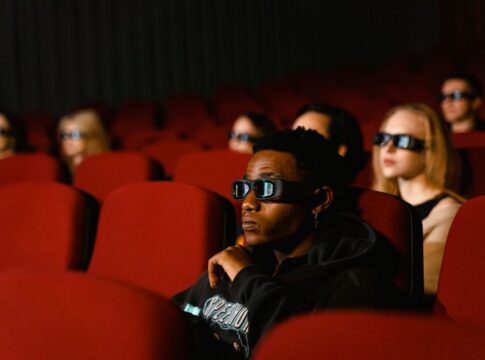
Photo: Tima Miroshnichenko / Pexels
By New Way News Newsroom, Entertainment Desk — Published September 8, 2026
Table of Contents
- Key Takeaways
- The Background & Context
- Why This Matters
- Reactions & Analysis
- What Happens Next
- Frequently Asked Questions
As Americans settle into 2026, the cultural landscape is shifting beneath our feet. The official 2026 culture conversation has begun, with entertainment industry observers, trend forecasters, and everyday consumers weighing in on what’s ascending and what’s fading from our collective consciousness. From the streaming wars to the resurgence of physical collectibles, from health fads losing their fizz to music biopics dominating Hollywood’s slate, this year’s “ins and outs” reveal a nation grappling with authenticity, nostalgia, and the relentless churn of digital life.
The annual ritual of declaring what’s “in” and what’s “out” has become a cultural touchstone itself. It reflects our anxieties and aspirations. This year, the signals are particularly revealing. Pop culture is experiencing a paradox: while streaming platforms continue to fragment our viewing habits, there’s a growing hunger for shared experiences and tangible connections to the entertainment we love.
The trends emerging now will shape how Americans spend their leisure time and money throughout the year. They’ll influence what studios greenlight, what retailers stock, and what conversations dominate our social feeds. Understanding these shifts matters not just for industry insiders but for anyone trying to make sense of our rapidly evolving cultural moment.
Key Takeaways
- Pop culture in 2026 is marked by a tension between digital saturation and a craving for physical, tangible entertainment experiences
- Music biopics are emerging as a dominant force in Hollywood’s upcoming release schedule, extending well beyond 2026
- Health and wellness trends that dominated recent years, particularly gut health fads, are losing cultural momentum
- Physical collectibles stores are opening in communities nationwide, signaling renewed interest in owning rather than streaming entertainment memorabilia
- The “ins and outs” conversation reflects broader American anxieties about authenticity and connection in an increasingly digital world
- Entertainment consumption patterns continue to fragment even as audiences seek shared cultural touchstones
The Background & Context
The “ins and outs” tradition has deep roots in lifestyle journalism. What began as a fashion magazine staple has expanded to encompass every corner of American life. Each January, publications and influencers issue their verdicts on what’s ascending and descending in the cultural hierarchy.
This year’s assessments arrive at a particularly fractured moment. The streaming revolution, now more than a decade old, has fundamentally altered how Americans consume entertainment. We no longer gather around appointment television. Our movie-going habits have changed dramatically. Even our music listening has become algorithmically personalized to the point where shared cultural moments feel increasingly rare.
Yet humans remain social creatures. We crave connection and common ground. The rise of music biopics speaks to this hunger. These films offer audiences a chance to collectively celebrate artists whose work already provides a shared language. They’re inherently communal experiences, built on nostalgia and recognition.
Meanwhile, the wellness industry has spent years colonizing our cultural conversation. Gut health became particularly trendy, with kombucha, probiotics, and fermented foods moving from niche health stores to mainstream grocery aisles. Influencers built empires on digestive advice. But like many wellness trends before it, the gut health craze appears to be losing its cultural grip, even as the science behind microbiome health continues to develop.
The emergence of physical collectibles stores represents another fascinating counter-trend. In communities like Stow, Ohio, and across the country, entrepreneurs are betting that Americans want to own pieces of the pop culture they love. These aren’t just nostalgia plays. They’re physical spaces where fans can gather, browse, and connect over shared interests in an increasingly isolated digital age.
Why This Matters
Cultural trends aren’t frivolous. They’re economic indicators and social barometers. When Americans shift their entertainment spending from one category to another, jobs are created and eliminated. Industries rise and fall. Communities change.
The music biopic boom means studios are investing hundreds of millions of dollars in these projects. That’s money flowing to screenwriters, directors, actors, musicians, and crew members. It’s also shaping which stories get told and whose lives get celebrated on screen. These choices have real consequences for representation and cultural memory.
The decline of certain wellness trends matters to the thousands of small business owners who built companies around gut health products. It affects supplement manufacturers, health food stores, and the influencers who monetized this knowledge. When cultural winds shift, real people feel the economic impact.
The opening of physical collectibles stores in American communities represents a small but significant pushback against the “everything digital” mentality. These businesses create local jobs. They become gathering places. They contribute to the vitality of Main Streets and strip malls that have struggled since the rise of Amazon and online retail.
For ordinary Americans, these trends shape daily life in subtle ways. They influence what shows up in our social media feeds. They determine which movies dominate the multiplex. They affect what products fill store shelves and what topics dominate conversations with friends and colleagues.
The broader pattern here is worth examining. We’re seeing simultaneous movements toward the digital and the physical, the personalized and the communal, the new and the nostalgic. This isn’t contradictory. It’s Americans trying to find balance in an unbalanced time.
Reactions & Analysis
Industry observers are paying close attention to these shifts. The music biopic trend, extending well into 2026 and beyond, has become one of Hollywood’s surest bets. Studios know these films come with built-in audiences and recognizable soundtracks that can drive both box office and streaming numbers.
Retailers are responding to the collectibles resurgence with cautious optimism. The success of stores specializing in pop culture memorabilia suggests that reports of physical retail’s death were premature. But these businesses must offer something online retailers can’t: expertise, community, and the tactile pleasure of browsing.
Health and wellness influencers are already pivoting. As gut health loses its cultural cachet, they’re seeking the next trend to monetize. This cycle is familiar in the wellness space, where scientific insights are often packaged as revolutionary discoveries, hyped to saturation, then abandoned for the next big thing.
Cultural critics see these trends as symptoms of deeper anxieties. Americans are overwhelmed by choice and craving curation. We’re digitally exhausted and seeking analog experiences. We’re nostalgic for shared cultural moments in an era of infinite personalization.
The “ins and outs” conversation itself has evolved. What was once the domain of glossy magazines is now democratized across social media. Everyone’s a cultural arbiter. This democratization is healthy in some ways, but it also contributes to the sense of constant churn and evaluation that characterizes modern life.
What Happens Next
The trends identified now will continue evolving throughout 2026. Some will solidify into lasting shifts. Others will prove to be momentary blips.
The music biopic pipeline suggests this genre will dominate Hollywood for years to come. Studios have learned these films can be both critically acclaimed and commercially successful. Expect announcements of more projects celebrating musicians across genres and eras.
Physical retail for pop culture collectibles will likely continue expanding, but selectively. These stores succeed in communities where they become genuine gathering places, not just transaction points. The ones that thrive will be those that build real relationships with customers and offer expertise that can’t be replicated online.
The wellness industry will move on from gut health to whatever comes next. The underlying science of microbiome research will continue advancing, but the cultural conversation will shift to new frontiers. This is the pattern: legitimate health insights get culturally overhyped, then abandoned before the science is fully understood or implemented.
The broader tension between digital and physical, personalized and communal, will persist. Americans are unlikely to fully resolve this tension. Instead, we’ll continue seeking balance, swinging between extremes, trying to find what works.
For those trying to predict what’s next, the lesson is clear: watch for counter-trends. When everything goes digital, look for the physical. When personalization dominates, seek the communal. Culture moves in cycles, and understanding those cycles offers insight into where we’re headed.
Frequently Asked Questions
What makes something officially “in” or “out” in pop culture?
There’s no single authority that determines cultural trends. The “ins and outs” emerge from a combination of industry decisions, consumer behavior, social media conversations, and cultural commentary. When multiple signals align—studios greenlighting similar projects, retailers stocking certain products, influencers discussing specific topics—a trend becomes visible. The “official” designation is more about consensus observation than formal decree.
Why are music biopics becoming so popular in 2026?
Music biopics offer something increasingly rare: shared cultural experiences built on familiar material. They attract audiences who already love the music, provide opportunities for awards-worthy performances, and generate revenue through both theatrical releases and streaming. They’re also relatively lower risk for studios because the audience and soundtrack are pre-established. This combination of artistic and commercial appeal makes them attractive projects in an uncertain entertainment landscape.
Is the decline of gut health trends bad for public health?
The cultural decline of gut health as a trendy topic doesn’t necessarily harm public health. Legitimate microbiome research continues advancing regardless of cultural trends. What’s fading is the hype and oversimplification, not the science. In fact, when wellness trends lose their cultural momentum, it sometimes allows for more nuanced, evidence-based conversations about health to emerge without the noise of commercial exploitation.
Will physical collectibles stores survive in the long term?
Physical retail success depends on offering something online shopping cannot: community, expertise, and experience. Collectibles stores that function as gathering places for fans, that employ knowledgeable staff, and that create reasons for repeated visits have better survival prospects than those competing purely on inventory and price. The key is becoming a destination rather than just a store, providing value that transcends the simple transaction of buying merchandise.
As 2026 unfolds, these cultural shifts will continue revealing themselves in ways both obvious and subtle. The “ins and outs” aren’t just entertainment industry inside baseball. They’re reflections of who we are and what we value. Pay attention, and you’ll see not just what’s trendy, but what Americans are really searching for in an increasingly complex world.