
Market Volatility Basics: What Economic Swings Mean
By Newsroom, Breaking News Desk — Published August 12, 2026
Table of Contents
- What Triggers Market Volatility Basics and Why Prices Jump
- How Volatility Connects to Real-World Impact
- Measuring and Interpreting the Swings
- What Volatility Means for Different Stakeholders
- Common Misconceptions and Practical Takeaways
- Frequently Asked Questions
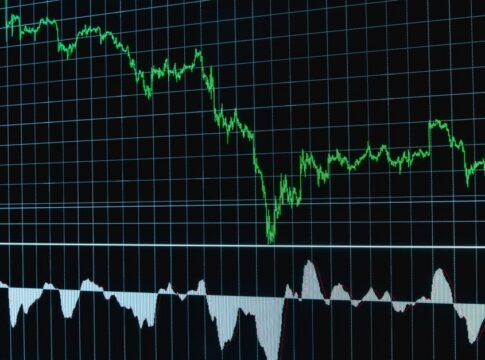
When stock prices lurch up or down in a single day, retirement accounts suddenly shrink, and headlines scream about points lost or gained, many people feel a knot of anxiety without fully understanding what’s happening. Market volatility basics come down to this: prices in financial markets don’t move in straight lines. They swing. Sometimes gently, sometimes violently. These fluctuations reflect uncertainty, new information, shifting expectations, and the collective nervousness or optimism of millions of investors. For anyone trying to make sense of latest breaking news today about plunging indexes or surging commodities, grasping why markets behave this way matters more than the minute-by-minute ticker.
Volatility isn’t inherently bad, though it often feels that way when your savings are on the line. It’s a measure of how much and how fast prices change. High volatility means big swings in short periods. Low volatility suggests calmer, more predictable movement. Understanding what drives these swings, how they connect to current events headlines, and what they mean for ordinary people can turn panic into perspective.
What Triggers Market Volatility Basics and Why Prices Jump
Markets react to information. When major news stories break—a central bank announces an interest rate hike, a trade negotiation collapses, a corporate earnings report surprises analysts, a geopolitical crisis flares—investors reassess what assets are worth. That reassessment happens fast, and it happens at scale. Millions of buy and sell orders flood exchanges within seconds, pushing prices up or down as participants scramble to adjust.
Economic indicators often sit at the heart of these moves. Employment numbers, inflation data, manufacturing reports, consumer spending figures—all shape expectations about growth, corporate profits, and the future path of monetary policy. If inflation runs hotter than expected, markets may anticipate tighter credit conditions and sell off stocks. If unemployment falls sharply, optimism about consumer demand may lift equities. The same data point can trigger opposite reactions depending on context and what investors fear most at that moment.
Breaking developments and major announcements from government bodies amplify volatility. National policy changes, such as tax reform proposals or regulatory overhauls, introduce uncertainty about winners and losers. International summit outcomes and diplomatic shifts can open or close markets, alter supply chains, or escalate tensions that spook investors. Public health emergencies, natural disasters, and crisis response efforts disrupt economic activity in ways that ripple through sectors and geographies. High-profile legal decisions and court rulings can reshape entire industries overnight, from tech to energy to pharmaceuticals.
Leadership transitions and political appointments matter, too. A new Federal Reserve chair, a change in administration, or an unexpected election result can signal policy direction shifts that markets price in immediately. Major corporate mergers and business shake-ups—a tech giant acquiring a competitor, a bankruptcy filing by a household name, a CEO suddenly resigning—send shockwaves through specific stocks and sometimes broader indexes.
How Volatility Connects to Real-World Impact
For most people, market swings feel abstract until they check a retirement account or hear that a pension fund took a hit. But volatility has tangible consequences beyond portfolio values. Companies that see their stock prices tumble may find it harder to borrow, might delay expansion plans, or could lay off workers to reassure investors. Credit markets tighten when volatility spikes, making loans more expensive for businesses and consumers alike. That can slow hiring, dampen wage growth, and cool spending.
Volatility also affects confidence. When markets gyrate wildly, consumers and business leaders grow cautious. They postpone big purchases, hold off on investments, and hoard cash. That caution can become self-fulfilling, slowing economic activity and validating the fears that triggered the volatility in the first place. Conversely, periods of low volatility can breed complacency, encouraging risk-taking that sometimes leads to bubbles.
Global news developments feed into this cycle. A currency crisis in one country can spread contagion to others. A supply shock—say, a sudden oil production cut or a semiconductor shortage—can cascade through industries worldwide. Markets are interconnected, and volatility in one corner can quickly ripple outward, turning a regional issue into a global headline and a trending news update that moves billions in capital.
Measuring and Interpreting the Swings
Investors and analysts use several tools to gauge volatility. The most famous is the VIX, often called the “fear index,” which measures expected volatility in the S&P 500 over the next 30 days based on options prices. When the VIX spikes, it signals that traders expect big moves and are paying up for protection. A low VIX suggests calm seas ahead, or at least that’s the consensus.
But volatility isn’t uniform. Different assets and sectors experience different levels of turbulence. Tech stocks, for instance, often swing more than utilities. Emerging market currencies can be far more volatile than major reserve currencies. Commodities like oil or gold react to their own specific supply-and-demand dynamics, geopolitical risks, and speculative flows. Understanding which parts of the market are moving and why helps separate noise from signal.
Historical context also matters. Volatility tends to cluster—calm periods follow calm periods, turbulent stretches follow turbulent stretches. After a shock, markets often remain jittery for weeks or months as participants digest the new reality and adjust expectations. Comparing current volatility to past episodes can offer clues about whether a swing is unusual or part of a typical cycle.
What Volatility Means for Different Stakeholders
For individual investors, especially those saving for retirement, volatility tests patience and discipline. The temptation to sell during a downturn or chase returns during a rally can derail long-term plans. Financial advisors often counsel clients to focus on time horizon and risk tolerance rather than daily price moves. A young worker decades from retirement can weather storms that would rattle someone nearing the end of their career.
Policymakers watch volatility closely because it signals stress in the financial system and the broader economy. Central banks may intervene—cutting interest rates, injecting liquidity, or offering reassurances—to calm markets during extreme turbulence. Regulators scrutinize whether trading mechanisms, such as circuit breakers that halt trading after sharp drops, function as intended. Elected officials face pressure to respond when market turmoil threatens jobs, savings, or economic stability, though their tools are often limited and slow-moving compared to the speed of financial markets.
Businesses navigate volatility by managing cash flow, hedging risks, and maintaining flexibility. A manufacturer might lock in commodity prices to avoid surprises. A multinational might use currency hedges to protect against exchange rate swings. Companies with strong balance sheets can weather volatility better than those loaded with debt or reliant on constant access to capital markets.
Common Misconceptions and Practical Takeaways
One widespread myth is that volatility always signals impending disaster. In reality, markets can be volatile during recoveries and bull runs, not just crashes. Rapid price changes can reflect optimism and competition for assets, not just fear. Another misconception is that low volatility equals safety. Sometimes calm markets simply mean complacency, with risks building beneath the surface until a trigger sets off a sudden correction.
Everyday citizens benefit from understanding a few core principles:
- Volatility is normal and inevitable. Markets have always swung, and they always will. The question is magnitude and duration, not whether swings will happen.
- News drives short-term moves, but fundamentals matter over time. A single headline can cause a sharp reaction, but sustained trends depend on earnings, growth, policy, and other deeper forces.
- Diversification reduces exposure to any single source of volatility. Spreading investments across asset classes, geographies, and sectors smooths the ride.
- Emotional reactions often lead to poor decisions. Panic selling locks in losses; euphoric buying at peaks sets up disappointment. Discipline and a clear plan help navigate turbulence.
Frequently Asked Questions
What causes sudden spikes in market volatility?
Sudden spikes typically stem from unexpected news that forces investors to rapidly reassess risk and value. This could be an unanticipated central bank decision, a geopolitical shock, a major corporate scandal, or economic data that sharply contradicts expectations. The speed and scale of the reaction depend on how surprising the information is and how much it changes the outlook for growth, inflation, or policy. Automated trading and interconnected global markets can amplify these moves, turning a spark into a firestorm within minutes.
How does market volatility affect everyday people who don’t own stocks?
Even people without brokerage accounts feel volatility’s effects indirectly. Market turbulence can lead to tighter credit, making mortgages and car loans more expensive or harder to obtain. Businesses facing uncertainty may freeze hiring or cut jobs. Pension funds and insurance companies, which invest heavily in markets, can see their financial health weaken, potentially affecting retirees and policyholders. Consumer confidence often drops during volatile periods, slowing spending and economic activity in ways that touch everyone from retail workers to small business owners.
Is high volatility always a bad sign for the economy?
Not necessarily. Volatility reflects uncertainty and rapid information processing, which can occur during both downturns and recoveries. Markets can swing wildly as they digest positive surprises, such as faster-than-expected growth or breakthrough innovations. High volatility becomes problematic when it persists, erodes confidence, tightens financial conditions, and spills over into real economic activity. Short bursts of volatility, especially after long calm periods, can be healthy corrections that reset prices and expectations without causing lasting damage.
Can individual investors do anything to protect themselves from volatility?
Individual investors can’t eliminate volatility, but they can manage their exposure and emotional response. Diversifying across different types of assets reduces the impact of any single market’s swings. Maintaining a long-term perspective helps avoid knee-jerk reactions to short-term noise. Setting clear goals, understanding personal risk tolerance, and sticking to a disciplined investment plan—such as regular contributions regardless of market conditions—can smooth the psychological and financial ride. Some investors also use strategies like dollar-cost averaging or holding a portion of their portfolio in less volatile assets to cushion against sharp moves.
Market volatility will always be part of the financial landscape, woven into the fabric of economies that respond to new information, shifting risks, and human psychology. Learning to read the swings, separate signal from noise, and understand the forces at play turns what feels like chaos into something more manageable. The goal isn’t to predict every move or avoid every downturn, but to build resilience and make informed choices even when the headlines are screaming and the numbers are flashing red.