
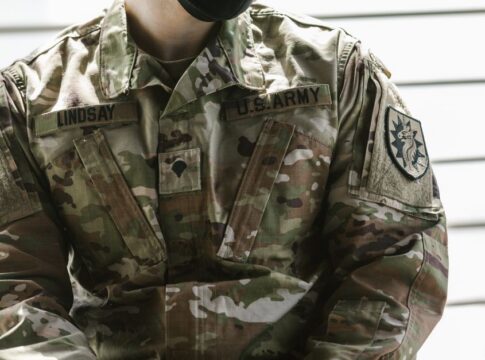
Photo: RDNE Stock project / Pexels
By New Way News Newsroom, National Desk — Published September 2, 2026
Table of Contents
- Key Takeaways: Kansas Agency Settles Military Discrimination Case
- The Background & Context
- Why This Matters
- Reactions & Analysis
- What Happens Next
- Frequently Asked Questions
A federal employment discrimination case has quietly concluded in Kansas, bringing resolution to a dispute that pitted a state health agency against an Army National Guard soldier who claimed her military service cost her a job. The Kansas agency settles the lawsuit filed by the Department of Justice, marking another chapter in the ongoing struggle to protect servicemembers from workplace discrimination while they balance civilian careers with military obligations.
The settlement between the Kansas Department of Health and Environment and the Department of Justice resolves a 2022 lawsuit alleging violations of the Uniformed Services Employment and Reemployment Rights Act. The case centered on a servicemember whose position was allegedly eliminated in connection with her military duties, raising questions about how state agencies comply with federal protections designed to shield those who serve in uniform.
For the thousands of National Guard members across America who maintain civilian employment alongside their military commitments, this case represents a crucial test of workplace protections. The outcome sends a signal about accountability when government employers themselves face accusations of the very discrimination federal law prohibits.
Key Takeaways: Kansas Agency Settles Military Discrimination Case
- The Department of Justice reached a settlement with the Kansas Department of Health and Environment over allegations of servicemember employment discrimination.
- The original lawsuit was filed in 2022, alleging violations of federal protections for military personnel in civilian workplaces.
- An Army National Guard soldier claimed her job was eliminated in connection with her military service obligations.
- The settlement resolves claims under the Uniformed Services Employment and Reemployment Rights Act, which safeguards servicemembers from employment discrimination.
- The case highlights ongoing challenges faced by National Guard members who balance military duty with civilian careers.
- State agencies, despite being government entities, are not immune from federal scrutiny when accused of violating servicemember employment rights.
The Background & Context
The Uniformed Services Employment and Reemployment Rights Act stands as a cornerstone of federal labor law, enacted to ensure that Americans who serve their country in uniform do not sacrifice their civilian careers in the process. Passed in 1994, USERRA prohibits employers from discriminating against employees or applicants based on military service, military obligation, or intent to serve. The law applies broadly, covering not just private companies but also state and local government agencies.
National Guard members occupy a unique position in American defense. Unlike active-duty military personnel, they typically maintain civilian jobs while serving part-time in their state’s Guard unit. They drill one weekend per month and train for two weeks annually, but can be called to active duty for emergencies, natural disasters, or federal deployments. This dual status creates friction points where civilian employers must accommodate military obligations or face legal consequences.
Kansas, like every state, relies on its National Guard for both state emergencies and federal missions. The state’s Guard members have deployed to Iraq, Afghanistan, and numerous domestic operations. When these citizen-soldiers return to their civilian lives, federal law guarantees them the right to reclaim their jobs without penalty. But enforcement depends on vigilant oversight and willingness to challenge violations.
The Department of Justice serves as the primary federal enforcer of USERRA, investigating complaints and filing lawsuits when negotiations fail. The department’s Civil Rights Division handles these cases, treating servicemember employment rights as a civil rights issue worthy of federal intervention. When the DOJ filed suit against the Kansas Department of Health and Environment in 2022, it signaled that even state government agencies would face accountability for alleged violations.
Why This Matters
This settlement carries weight far beyond one soldier’s employment dispute. It tests whether government entities practice what they preach when it comes to supporting the troops. State agencies routinely proclaim their commitment to veterans and servicemembers, yet this case suggests implementation sometimes falls short of rhetoric.
For taxpayers, the settlement likely involves public funds compensating the affected servicemember and potentially covering legal costs. While settlement terms often remain confidential, these cases typically include back pay, compensatory damages, and sometimes policy reforms to prevent future violations. Citizens funding government operations have a stake in ensuring their tax dollars support lawful employment practices.
The broader defense community watches these cases closely. Military readiness depends on National Guard recruitment and retention. When servicemembers face employment discrimination, it sends a chilling message to potential recruits and current members considering whether military service is worth the career risk. The Pentagon has repeatedly emphasized that USERRA enforcement directly impacts military effectiveness.
Kansas employers, both public and private, should view this settlement as a reminder of their legal obligations. The state’s National Guard comprises thousands of members working in civilian jobs across every sector. Eliminating positions, denying promotions, or taking adverse action connected to military service invites federal scrutiny and potential litigation.
The case also illuminates tensions between operational needs and legal requirements. Agencies facing budget constraints or restructuring may view an employee’s frequent military absences as problematic. But USERRA draws a bright line: military service cannot be a negative factor in employment decisions. The law recognizes that national security depends on protecting those who serve.
Reactions & Analysis
Neither the Kansas Department of Health and Environment nor the Department of Justice has released detailed public statements about the settlement terms, following common practice in resolved civil litigation. Settlements typically include confidentiality provisions limiting what parties can disclose, though the basic fact of resolution becomes public record.
Legal experts who specialize in military employment law note that USERRA cases against government employers carry particular significance. These defendants cannot claim ignorance of federal law or lack of resources to comply. When a state health department allegedly violates servicemember protections, it suggests systemic issues in how agencies handle military leave and job protection.
Veterans advocacy organizations have long pushed for stronger USERRA enforcement, arguing that violations remain underreported and underprosecuted. Many servicemembers fear retaliation or simply lack awareness of their rights. The DOJ’s willingness to pursue litigation, rather than accepting inadequate settlement offers, demonstrates commitment to enforcement.
The settlement arrives amid broader national conversations about supporting military families and ensuring readiness. Congress has periodically strengthened USERRA through amendments and increased funding for enforcement. The Supreme Court has upheld the law’s broad application, rejecting attempts to narrow protections. This creates a legal environment where servicemembers have powerful tools to challenge discrimination, if they choose to use them.
What Happens Next
The immediate impact involves implementation of whatever settlement terms the parties negotiated. This likely includes financial compensation for the affected soldier and possibly policy changes within the Kansas Department of Health and Environment to prevent similar situations. Federal monitors sometimes oversee compliance in discrimination settlements, ensuring agencies follow through on commitments.
Other state agencies in Kansas and beyond may review their own policies regarding military leave and job protection. Proactive employers often conduct USERRA training for managers and human resources staff following high-profile cases, recognizing that prevention costs less than litigation.
The affected servicemember’s career path remains private, but the settlement presumably addresses her employment status and any financial harm suffered. Whether she returned to state employment, sought other opportunities, or pursued different paths, the resolution provides some measure of accountability for alleged wrongdoing.
Broader questions persist about how to better protect servicemembers without placing undue burdens on employers. Some advocate for federal subsidies to offset costs of military leave, while others push for stronger penalties against violators. The balance between national defense needs and employer flexibility remains an ongoing policy debate.
Frequently Asked Questions
What is the Uniformed Services Employment and Reemployment Rights Act?
USERRA is a federal law enacted in 1994 that protects servicemembers from employment discrimination based on their military service. The law requires employers to provide leave for military duty, prohibits discrimination in hiring or firing based on military status, and guarantees reemployment rights for those returning from service. It applies to virtually all employers, including federal, state, and local government agencies, as well as private companies of any size.
Can state government agencies be sued for violating servicemember employment rights?
Yes, state agencies are subject to USERRA and can face federal lawsuits for violations. While states enjoy sovereign immunity in some contexts, USERRA was crafted to override those protections when servicemember rights are at stake. The Department of Justice can file suit in federal court against state employers, and servicemembers can also bring private lawsuits. This case demonstrates that government employers face the same legal accountability as private businesses.
How common are employment discrimination cases involving National Guard members?
While comprehensive statistics are difficult to obtain, the Department of Justice and Department of Labor receive hundreds of USERRA complaints annually. Many cases resolve through informal negotiation or mediation without lawsuits. National Guard members face particular vulnerability because their military obligations are ongoing and visible to employers, unlike veterans who have completed service. Cases involving job elimination, denial of promotion, or termination connected to military duty represent recurring patterns in enforcement actions.
What should servicemembers do if they believe they experienced workplace discrimination?
Servicemembers who suspect USERRA violations should document the circumstances, including dates, communications, and any adverse employment actions. They can file complaints with the Department of Labor’s Veterans’ Employment and Training Service, which investigates and attempts resolution. If that process fails, the Department of Justice may pursue litigation. Servicemembers also have the right to file private lawsuits with their own attorneys. Many veterans service organizations provide guidance and support through this process.
As this Kansas settlement demonstrates, the promise of protecting those who serve extends beyond battlefield support to the workplace. The resolution affirms that federal law means something, even when violations occur within government itself. For one Army National Guard soldier, justice arrived through persistence and federal enforcement. For the broader community of citizen-soldiers balancing dual commitments, the case stands as both warning and reassurance that their service should never cost them their livelihood.