
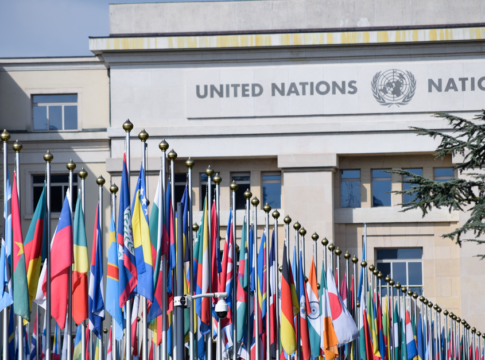
Diplomatic Summit Outcomes: Why Agreements Often Fail
By Newsroom, Breaking News Desk — Published August 8, 2026
Table of Contents
- The Architecture of Diplomatic Summit Outcomes
- Why Implementation Fails: The Domestic Politics Problem
- The Enforcement Gap in Global News Developments
- When National Interests Diverge: Breaking Developments That Undermine Cooperation
- The Role of Leadership Transitions and Political Appointments
- Frequently Asked Questions
When world leaders gather for high-stakes negotiations, diplomatic summit outcomes dominate the latest breaking news today and shape current events headlines for weeks. Yet history reveals an uncomfortable truth: many of these carefully crafted agreements unravel within months or years of the handshakes and photo opportunities. Understanding why international accords so often fail to deliver their promised results matters deeply for anyone following major news stories about global cooperation on climate, security, trade, or human rights.
The gap between summit promises and real-world results isn’t simply about bad faith or incompetence. The forces that undermine diplomatic agreements run deeper, rooted in the fundamental tensions between national sovereignty and collective action, between domestic politics and international obligations, and between the ambitions of negotiators and the realities awaiting them back home.
The Architecture of Diplomatic Summit Outcomes
International agreements come in many forms, from binding treaties requiring legislative ratification to non-binding declarations of shared intent. This variety itself creates confusion about what any given summit actually achieves. A joint communiqué might make top headlines now and generate trending news updates, yet carry no enforcement mechanism whatsoever.
Most summit outcomes fall into several categories. Formal treaties establish legal obligations under international law, though enforcement remains notoriously weak. Memoranda of understanding outline cooperation frameworks without creating binding commitments. Joint statements signal shared priorities but promise little concrete action. Framework agreements set goals while postponing difficult implementation details to future negotiations.
The challenge starts with the negotiation process itself. Diplomats face enormous pressure to produce results that justify the summit’s expense and media attention. This pressure often leads to agreements that paper over fundamental disagreements with vague language, creating the appearance of consensus where none truly exists. When national delegations return home and begin implementing these accords, the hidden fault lines quickly emerge.
Why Implementation Fails: The Domestic Politics Problem
Even when leaders negotiate in good faith, they operate in a bubble removed from the political realities that will ultimately determine whether promises become policy. A president or prime minister might commit to ambitious targets at an international gathering, only to face legislative opposition, bureaucratic resistance, or public backlash once the important news today fades from front pages.
Democratic governments face particular challenges. Leaders who sign agreements may lose elections before implementation begins. New administrations feel no obligation to honor their predecessors’ commitments, especially when those agreements never received legislative approval. This creates a credibility problem that undermines future negotiations, as other countries question whether any promises will outlast the current government.
Authoritarian regimes avoid some of these continuity problems but face others. Without transparent institutions to implement agreements, commitments often depend entirely on the personal priorities of individual leaders. When those priorities shift or leadership changes, agreements can evaporate overnight with little public accountability.
Economic pressures compound political obstacles. Implementing international agreements typically requires resources, regulatory changes, or economic adjustments that create winners and losers domestically. Industries threatened by new standards lobby against implementation. Regions that bear disproportionate costs demand compensation or exemptions. What seemed straightforward in a summit conference room becomes a legislative and administrative nightmare at home.
The Enforcement Gap in Global News Developments
International law lacks the enforcement mechanisms that make domestic law effective. No global police force arrests leaders who violate treaties. No international court can compel sovereign nations to comply with rulings they dislike. This absence of coercive enforcement means agreements depend almost entirely on voluntary compliance and reputational concerns.
Some agreements include dispute resolution procedures or sanctions for non-compliance, but these mechanisms rarely work as intended. Sanctions require collective action, and countries often prioritize their bilateral relationships over enforcing multilateral commitments. Dispute resolution can drag on for years while violations continue unchecked.
The most successful international agreements tend to be those where compliance serves each country’s immediate self-interest, regardless of what others do. Arms control treaties that reduce the cost of maintaining arsenals, or trade agreements that increase market access, create their own incentives for implementation. Agreements requiring countries to bear costs for collective benefits face much steeper odds.
Common Structural Weaknesses
- Vague language that allows contradictory interpretations of obligations
- No independent monitoring or verification of compliance
- Weak or non-existent penalties for violations
- Escape clauses that allow withdrawal when politically convenient
- Reliance on voluntary contributions or actions without binding commitments
- Implementation timelines that extend beyond current political cycles
- Insufficient funding mechanisms to support promised actions
When National Interests Diverge: Breaking Developments That Undermine Cooperation
Summit agreements represent a snapshot of aligned interests at a particular moment. But national interests shift. A security threat diminishes, making defense cooperation less urgent. Economic conditions change, making trade commitments more painful. New technologies emerge, rendering agreements obsolete or creating unforeseen complications.
Climate agreements illustrate this dynamic clearly. Countries might agree to emission reduction targets when economic growth seems assured and the costs appear manageable. When recession hits or energy prices spike, those same commitments suddenly threaten jobs and living standards. Governments face a choice between honoring international obligations and responding to immediate domestic pressures. Domestic pressures usually win.
The problem intensifies when agreements require coordinated action but benefits distribute unevenly. If some countries bear most of the costs while others capture most of the gains, the arrangement becomes politically unsustainable. Nations that sacrifice more will eventually demand renegotiation or simply stop complying, especially if they see others free-riding on their efforts.
The Role of Leadership Transitions and Political Appointments
Personnel changes at the top can doom even well-designed agreements. New leaders often view their predecessors’ commitments as constraints to escape rather than obligations to honor. This pattern appears across different political systems and regions, though democratic transitions make it more visible through national news coverage.
The issue extends beyond heads of government. Implementation requires sustained attention from bureaucrats, diplomats, and technical experts who understand the agreement’s details and remain committed to its success. When these key personnel leave or get reassigned, institutional knowledge disappears and momentum stalls. New appointees bring different priorities and may quietly allow implementation to languish without formally withdrawing from the agreement.
Frequently Asked Questions
Why do countries sign agreements they don’t intend to keep?
Leaders often genuinely intend to implement agreements when signed, but underestimate domestic obstacles and overestimate their ability to maintain political support. Others sign primarily for diplomatic benefits, using agreements to improve relationships or avoid isolation without serious commitment to implementation. The immediate reputational gain from appearing cooperative can outweigh concerns about future compliance problems.
Are some types of diplomatic agreements more likely to succeed than others?
Agreements with clear, measurable obligations and strong self-interest in compliance tend to succeed more often. Technical agreements on standards or procedures generally outperform those requiring significant resource transfers or sovereignty concessions. Bilateral agreements between countries with strong existing relationships typically fare better than large multilateral accords involving nations with divergent interests and capabilities.
How can negotiators improve the chances their agreements will actually be implemented?
Successful agreements typically include specific, achievable targets rather than vague aspirations. They create transparent monitoring systems that make non-compliance visible. They build in flexibility to accommodate changing circumstances without requiring complete renegotiation. Most crucially, they align international obligations with domestic political and economic incentives, making implementation serve national interests rather than conflict with them.
What happens when major powers simply ignore international agreements?
The international system has few tools to compel powerful countries to honor commitments. Other nations may impose diplomatic costs through public criticism or reduced cooperation, but these measures rarely change behavior when core interests are at stake. Repeated violations by major powers gradually erode the entire framework of international law, making future cooperation more difficult as countries question whether agreements mean anything at all.
The persistent failure of diplomatic summit outcomes reveals fundamental limits to international cooperation in a world of sovereign states. Yet some agreements do succeed, proving that carefully designed accords aligned with national interests and backed by robust implementation mechanisms can overcome these obstacles. The challenge for diplomats and citizens alike is learning to distinguish genuine breakthroughs from elaborate theater, and demanding the structural changes that turn promises into reality.