
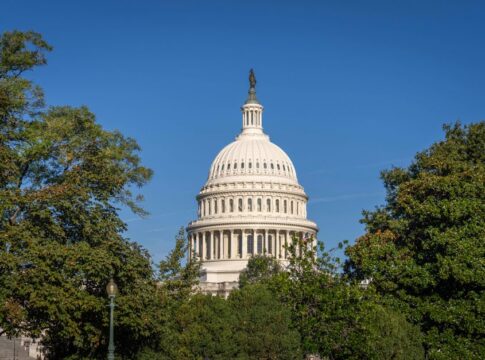
Photo: Mark Stebnicki / Pexels
By New Way News Newsroom, Politics Desk — Published November 17, 2026
Table of Contents
- Key Takeaways
- The Background & Context
- Why This Matters
- Reactions & Analysis
- What Happens Next
- Frequently Asked Questions
Washington stands on the precipice of a political clash that could define the next chapter of American governance. As Congress plans investigations into the executive branch, the White House is girding for battle, preparing what sources describe as a “ferocious response” to anticipated legislative scrutiny. The looming confrontation promises to test the boundaries of constitutional checks and balances while potentially reshaping the relationship between two co-equal branches of government.
This brewing standoff arrives at a moment when American voters are already weary of partisan warfare. The prospect of prolonged investigations threatens to consume legislative energy that might otherwise address pressing policy concerns. Yet the tension also reflects fundamental questions about accountability and oversight in a democratic system.
The White House strategy appears designed not merely to defend against congressional probes, but to actively challenge their legitimacy and scope. This aggressive posture marks a departure from traditional executive branch responses to legislative oversight, signaling that both sides view the coming months as a high-stakes political contest with implications reaching far beyond the immediate investigations themselves.
Key Takeaways
- Congressional leadership is preparing to launch investigations into executive branch activities, setting up a confrontation between the legislative and executive branches of government.
- The White House has indicated it will mount an aggressive defense, described as a “ferocious response,” rather than adopting a cooperative or conciliatory approach to congressional oversight.
- The anticipated clash tests constitutional principles of checks and balances, with both branches asserting their prerogatives under the separation of powers doctrine.
- The political implications extend beyond immediate policy debates, potentially affecting the 2024 campaign cycle and shaping voter perceptions of government effectiveness.
- Legal battles over executive privilege, subpoena enforcement, and document production are expected to accompany the investigations.
- The confrontation risks diverting attention from legislative priorities including economic policy, healthcare reform, and other issues affecting American families.
The Background & Context
Congressional investigations of the executive branch are as old as the republic itself. From Teapot Dome to Watergate, from Iran-Contra to more recent probes, Congress has repeatedly exercised its oversight authority to examine executive actions. This power derives from the Constitution’s implicit grant of investigative authority necessary to fulfill legislative functions.
The current political environment, however, differs markedly from earlier eras. Partisan polarization has reached levels not seen in generations. Trust in government institutions has eroded. And both parties have weaponized the investigative process in ways that blur the line between legitimate oversight and political theater.
Recent years have witnessed an escalation in confrontational tactics. Previous administrations faced congressional investigations but often sought accommodation through negotiation. They provided some documents while asserting privilege over others. They allowed some testimony while restricting other witnesses. This dance of compromise, while imperfect, generally allowed both branches to claim partial victories.
That equilibrium now appears shattered. The White House’s reported preparation of a “ferocious response” suggests a fundamental rejection of the traditional give-and-take. Rather than negotiating over the scope and methods of congressional inquiries, the executive branch appears ready to contest their very foundation.
This shift reflects broader changes in American politics. Legislators increasingly view investigations not merely as fact-finding exercises but as tools for shaping public opinion and damaging political opponents. The 24-hour news cycle and social media amplify every revelation, turning congressional hearings into made-for-television spectacles. In this environment, both sides have incentives to escalate rather than compromise.
Why This Matters
For ordinary Americans, the stakes extend well beyond Washington power struggles. Congressional investigations consume enormous time and resources. Committee staff spend months preparing. Witnesses hire lawyers. Government employees dedicate countless hours to document production and legal compliance. All of this diverts attention from the substantive work of governing.
Consider what happens when Congress focuses intensively on investigations. Legislation stalls. Budget negotiations drag. Confirmation processes slow. The machinery of government grinds toward paralysis. Citizens seeking action on healthcare costs, infrastructure repair, or education funding find themselves waiting while politicians wage procedural battles.
The economic implications deserve attention too. Uncertainty about government policy direction affects business investment decisions. Prolonged political combat can spook financial markets. And taxpayers ultimately foot the bill for the legal fees, staff time, and administrative costs associated with both conducting and resisting investigations.
Yet accountability also matters profoundly. Without effective oversight, executive power can metastasize unchecked. The Founders designed Congress as a check on presidential authority precisely because they understood the dangers of concentrated power. If investigations uncover genuine wrongdoing or policy failures, the public benefits from that transparency.
The challenge lies in distinguishing legitimate oversight from partisan point-scoring. When does an investigation serve the public interest, and when does it become political theater? Reasonable people disagree, and that disagreement itself reflects deeper divisions about the proper role of government and the trustworthiness of institutions.
For voters, the coming confrontation will test their patience and their judgment. They must evaluate competing claims about investigative necessity and executive stonewalling. They must decide whether Congress pursues accountability or persecution, whether the White House defends legitimate interests or hides uncomfortable truths. These assessments will shape electoral choices in upcoming campaigns.
Reactions & Analysis
Political observers across the spectrum recognize the gravity of the approaching conflict. Constitutional scholars note that while both branches possess legitimate powers, the aggressive postures on both sides risk pushing constitutional boundaries into uncharted territory.
The legal landscape surrounding congressional investigations remains complex and sometimes contradictory. Courts have affirmed Congress’s broad investigative authority when tied to legitimate legislative purposes. Yet they have also recognized executive privilege and the need to protect certain confidential communications. The Supreme Court has tried to balance these competing interests, but many questions remain unresolved.
Past confrontations have sometimes ended in the courts, with judges forced to referee disputes between Congress and the White House. This judicial intervention comes with its own costs. Courts move slowly, and by the time legal battles resolve, political circumstances may have shifted dramatically. A subpoena fight that takes two years to litigate may outlast the congressional majority that issued it.
Political strategists view the coming clash through an electoral lens. For the party controlling Congress, investigations offer opportunities to define narratives and shape public perception of the administration. Televised hearings can produce damaging soundbites and headlines. Even if investigations produce no smoking gun, the steady drip of negative coverage can erode public confidence.
The White House calculates differently. By mounting a fierce defense, the administration can energize its base, which often views congressional investigations as partisan witch hunts. Aggressive resistance can also run out the clock, delaying document production and testimony until political circumstances change. And by attacking the legitimacy of investigations, the White House hopes to inoculate itself against damaging findings.
Both strategies carry risks. Congressional overreach can backfire, generating sympathy for the investigated party. But executive stonewalling can appear to confirm that the White House has something to hide. Public opinion may shift based on the specific facts that emerge and the perceived reasonableness of each side’s position.
What Happens Next
The immediate future will likely feature a series of escalating confrontations. Congress will issue subpoenas for documents and testimony. The White House will resist, citing executive privilege and other legal doctrines. Contempt citations may follow. Court battles will ensue.
This process could unfold over months or even years. Each skirmish will generate headlines and talking points. Cable news panels will debate the merits. Social media will amplify the most inflammatory moments. And the underlying policy questions that affect Americans’ daily lives may recede from view.
The political calendar adds urgency to these dynamics. With elections approaching, both sides face pressure to show results. Congressional investigators want to produce findings before voters head to the polls. The White House wants to delay and deflect until political winds potentially shift. This timing creates incentives for brinkmanship rather than compromise.
Longer term, the confrontation could reshape institutional norms. If the White House successfully stonewalls congressional investigations, future administrations may adopt similar tactics, weakening legislative oversight. Conversely, if Congress prevails through aggressive use of its powers, future legislative majorities may feel emboldened to launch even more sweeping investigations.
The courts may ultimately establish new precedents that clarify the boundaries between congressional and executive authority. Such rulings could provide greater certainty for future disputes. But they could also entrench partisan divisions if one side views judicial decisions as politically motivated.
American democracy has weathered similar storms before. The system’s resilience derives partly from its flexibility, its capacity to absorb conflict without breaking. Yet that resilience is not infinite. Each escalation of partisan warfare weakens the informal norms and mutual restraint that make democratic governance possible.
Frequently Asked Questions
What legal authority does Congress have to investigate the executive branch?
Congress possesses broad investigative powers derived from its constitutional role as a legislative body. Courts have recognized that effective lawmaking requires the ability to gather information, and this authority extends to examining how existing laws are implemented and whether new legislation is needed. However, these powers are not unlimited and must serve a legitimate legislative purpose rather than purely political objectives.
Can the White House refuse to comply with congressional subpoenas?
The executive branch can assert various privileges to resist congressional demands, most notably executive privilege protecting confidential presidential communications. However, these claims are not absolute and can be challenged in court. The legal battles over such disputes often take considerable time to resolve, and courts must balance congressional oversight needs against executive branch confidentiality interests.
How do these investigations affect ordinary legislation and government operations?
Major investigations consume significant congressional time and attention, often slowing or halting progress on other legislative priorities. Committee resources get redirected to investigative work, staff focus shifts to document review and hearing preparation, and the political capital needed for bipartisan compromise on policy issues gets depleted by partisan conflict over investigations.
What historical precedents exist for this kind of confrontation?
American history features numerous clashes between Congress and the White House over investigative authority, from the Watergate hearings to investigations during the Clinton and Trump administrations. These precedents show that while such conflicts generate intense political heat, the constitutional system generally survives them. However, each confrontation also contributes to evolving norms about the acceptable boundaries of oversight and resistance.
As this political drama unfolds in the coming months, Americans will witness a fundamental test of their constitutional system. The outcome will depend not only on legal arguments and political maneuvering, but on the public’s judgment about which side serves the national interest. In a democracy, that judgment ultimately rests with voters who must sort through competing claims and decide what kind of government they want. The stakes could hardly be higher.