
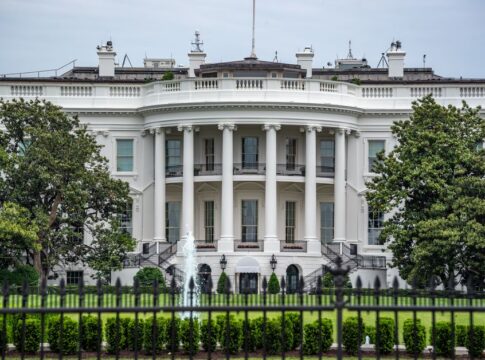
Photo: Dominik Gryzbon / Pexels
By New Way News Newsroom, Politics Desk — Published September 28, 2026
Table of Contents
- Key Takeaways
- The Background & Context
- Why This Matters
- Reactions & Analysis
- What Happens Next
- Frequently Asked Questions
The recent return of CNN, MSNBC, and Politico to the White House press briefing room marks a temporary truce in an escalating battle over press access, but the underlying legal and constitutional questions remain unresolved. While these major news organizations have regained their credentials after being barred from White House events, the court fight over press access continues to simmer beneath the surface, with implications that extend far beyond the marble halls of 1600 Pennsylvania Avenue.
The controversy centers on fundamental questions about First Amendment rights, executive power, and the role of journalism in American democracy. When a presidential administration restricts media access, it doesn’t just affect reporters and news organizations. It affects every citizen’s ability to receive information about their government’s actions and decisions.
This ongoing dispute has captured attention across the political spectrum, from campaign strategists to congressional leaders, all watching to see how the balance between executive authority and press freedom will ultimately be resolved. The fight touches on issues of governance, accountability, and the very mechanics of how information flows in our political system.
Key Takeaways
- CNN, MSNBC, and Politico have returned to White House press briefings after a period of restricted access, but the legal battle over press credentials continues.
- The court fight over media access raises fundamental constitutional questions about First Amendment protections and executive branch authority.
- The dispute has broader implications for how administrations interact with the press and how voters receive information about government activities.
- Political observers and legal experts are closely monitoring the situation as it relates to transparency, accountability, and campaign-era promises about press relations.
- The resolution of this conflict could set precedents affecting future administrations and the relationship between government and media for years to come.
- Data collection efforts related to voter information and political campaigns intersect with questions about media access and public transparency.
The Background & Context
Press access to the White House has long been a delicate dance between presidential administrations and the journalists who cover them. The tradition of regular press briefings and credentialed reporters dates back decades, establishing norms that have generally been respected across party lines. But norms are not laws.
The current controversy erupted when several major news organizations found themselves excluded from White House events and briefings. CNN, MSNBC, and Politico were among those who suddenly discovered their access restricted, raising immediate alarm bells among First Amendment advocates and journalism organizations nationwide.
What makes this situation particularly complex is that it unfolds against the backdrop of broader tensions between political leadership and the media. Campaign rhetoric often sets the tone for governance, and promises made on the trail about how an administration will handle press relations inevitably collide with the practical realities of running the executive branch.
The White House possesses considerable discretion in managing its press operations. However, that discretion is not unlimited. Courts have previously ruled that the government cannot arbitrarily exclude journalists based on viewpoint discrimination or without due process. The challenge lies in determining where legitimate management of press operations ends and unconstitutional censorship begins.
Congressional observers have also taken note of the situation, recognizing that executive branch transparency affects their own oversight responsibilities. When the press cannot freely report on White House activities, it becomes harder for legislators to fulfill their constitutional duty to check executive power.
Why This Matters
For the average American citizen, this might seem like an inside-the-Beltway squabble between powerful institutions. Nothing could be further from the truth.
The press serves as the public’s eyes and ears inside government. When reporters are excluded, citizens lose access to information they need to make informed decisions about everything from elections to legislation to how their tax dollars are spent. A White House that can selectively ban news organizations it dislikes can effectively control the narrative around its policies and actions.
Consider the practical implications. If an administration can exclude certain journalists from briefings, it can ensure that only friendly outlets receive direct information about policy announcements, legislative priorities, or responses to crises. The result is a filtered information environment where the public receives a curated version of events rather than independent reporting.
This matters particularly during election cycles. Voters rely on diverse news sources to evaluate candidates and their positions. When media access becomes a political weapon, it distorts the information landscape that citizens depend on to exercise their franchise responsibly.
The fight also has economic dimensions. News organizations invest substantial resources in White House coverage. When their reporters are excluded, they cannot compete on equal footing with favored outlets, potentially affecting their business viability and, by extension, the diversity of voices in American journalism.
Beyond immediate practical concerns, the dispute tests fundamental principles. If the executive branch can unilaterally decide which journalists deserve access based on coverage they find disagreeable, it establishes a dangerous precedent that future administrations of any political persuasion could exploit.
Reactions & Analysis
The temporary resolution that allowed CNN, MSNBC, and Politico back into the White House has been met with cautious relief rather than celebration. Legal experts recognize that the return of these organizations doesn’t resolve the underlying constitutional questions.
Press freedom advocates have emphasized that access should not be subject to the whims of any administration. The principle at stake transcends partisan politics. A Democratic White House that excludes Fox News would be just as problematic as a Republican administration barring MSNBC.
Political strategists from both parties are watching carefully. How an administration handles media relations affects public perception and can influence electoral outcomes. Voters who value transparency may react negatively to perceived press censorship, while those who distrust mainstream media might applaud restrictions on outlets they view as biased.
The legal community has noted that courts move slowly while news cycles move quickly. A news organization might win its case months after being excluded, but the damage to its reporting and reputation occurs immediately. This timing mismatch creates practical problems that legal victories cannot fully remedy.
Some observers have connected the press access fight to broader patterns in governance, including efforts to control voter data and information flows during campaign seasons. The ability to shape what information reaches the public represents a form of power that extends well beyond the briefing room.
What Happens Next
The return of previously excluded news organizations does not close the book on this controversy. Legal challenges may continue to wind through the courts, potentially reaching appellate levels or even the Supreme Court. The outcomes of these cases could establish binding precedents that govern press access for generations.
Congress could also intervene. Legislation codifying press access rights would provide clearer guidelines than the current patchwork of court decisions and traditional norms. However, passing such legislation would require bipartisan cooperation in an increasingly polarized political environment.
Future administrations will be watching closely. If restricting press access proves politically viable or legally permissible, it could become a standard tool in the executive playbook. Conversely, if courts impose strict limits on such restrictions, it would strengthen protections for press freedom.
The intersection of this fight with upcoming elections adds another layer of complexity. Campaign coverage and White House reporting are intimately connected, and how candidates promise to handle media relations could become a campaign issue in its own right.
Public opinion will also play a role. If citizens demand transparency and react negatively to press restrictions, political leaders will face pressure to maintain open access. If the public remains indifferent or supportive of limiting certain outlets, administrations may feel emboldened to continue such practices.
Frequently Asked Questions
Why were CNN, MSNBC, and Politico initially barred from the White House?
While the specific reasons for the initial restrictions have not been fully detailed in public reports, such exclusions typically relate to disputes over coverage or broader tensions between an administration and particular news organizations. The legal question is whether any such reasons justify restricting press access in a way that may violate First Amendment protections.
Does the White House have the legal right to exclude journalists?
The White House has some discretion in managing press operations, but this authority is not unlimited. Courts have ruled that the government cannot exclude journalists based on viewpoint discrimination or without due process. The exact boundaries of permissible exclusion remain subject to legal interpretation and ongoing court battles.
How does this affect ordinary citizens who don’t work in media?
When news organizations are excluded from White House briefings and events, citizens lose access to diverse reporting and independent information about government activities. This affects the public’s ability to stay informed about policy decisions, legislative priorities, and how their government operates, which is essential for democratic participation and holding leaders accountable.
Could this situation happen again with other news organizations?
Yes, unless courts establish clear legal boundaries or Congress passes legislation protecting press access, future administrations could attempt similar restrictions. The current situation remains unresolved in terms of establishing firm precedents, which means the potential for renewed conflicts over media access continues to exist.
The temporary return of major news outlets to the White House briefing room offers a moment of calm in a storm that has not yet passed. The fundamental questions about press freedom, executive authority, and the public’s right to information remain unanswered. How these questions are ultimately resolved will shape American democracy for years to come, affecting not just journalists but every citizen who depends on a free press to understand what their government does in their name.