
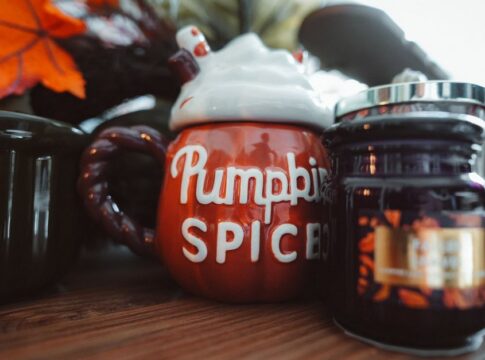
Photo: Nathan J Hilton / Pexels
By New Way News Newsroom, Entertainment Desk — Published October 22, 2026
Table of Contents
- Key Takeaways
- The Background & Context
- Why This Matters
- Reactions & Analysis
- What Happens Next
- Frequently Asked Questions
Every August, before the leaves even hint at turning, American retailers unleash an orange-hued tidal wave. Coffee shops update their menus. Grocery shelves fill with new products. Social media erupts in both celebration and mockery. The phenomenon has a name: pumpkin spice season. But how pumpkin spice went from a humble pie seasoning to a multi-billion-dollar cultural juggernaut—one that now shapes entertainment, streaming content, and TV programming—reveals something deeper about American consumer culture and our collective yearning for comfort in uncertain times.
The flavor itself is nothing new. Grandmothers have been sprinkling cinnamon, nutmeg, ginger, and cloves into autumn desserts for generations. Yet somewhere along the way, this blend transcended the kitchen. It became a lifestyle brand. A personality trait. A punchline in sitcoms and a plot device in romantic comedies.
Today, pumpkin spice influences far more than what Americans eat and drink. It shapes what we watch, how brands market to us, and even which characters we identify with in pop culture. The obsession has become so pronounced that entertainment media now builds entire narratives around it, from television episodes timed to autumn premieres to streaming content designed to capture the cozy aesthetic that pumpkin spice represents.
Key Takeaways
- Pumpkin spice has evolved from a simple pie seasoning blend into a dominant cultural force that influences consumer behavior, entertainment content, and brand marketing strategies across multiple industries.
- The phenomenon extends well beyond food and beverage, now shaping television programming, streaming content, and pop-culture references in movies and shows.
- Media outlets and entertainment brands increasingly tie their content to the pumpkin spice aesthetic, capitalizing on the nostalgic, comfort-seeking emotions the flavor evokes in American audiences.
- Cultural analysis suggests the obsession reflects deeper psychological needs for seasonal ritual, community identity, and comfort during times of social and economic uncertainty.
- The pumpkin spice trend has become self-referential in entertainment, with characters in TV shows and movies now defined partly by their relationship to the phenomenon itself.
- Retailers and entertainment platforms synchronize their autumn offerings, creating an integrated marketing ecosystem where food products, television content, and streaming services reinforce each other.
The Background & Context
The spice blend itself predates the modern craze by centuries. Colonial American cooks combined warming spices—cinnamon, nutmeg, ginger, cloves, and sometimes allspice—to flavor pumpkin and squash desserts. The mixture was practical. Pumpkins grew abundantly. Spices masked imperfections and added depth to otherwise bland winter squash.
For most of American history, these spices remained firmly in the baking aisle. Pumpkin pie appeared at Thanksgiving. Perhaps an occasional bread or muffin featured the blend. Nothing more.
The transformation began in the early 2000s when a major coffee chain introduced a pumpkin-flavored latte. The drink became an unexpected sensation. Sales figures climbed year after year. Competitors rushed to create their own versions. Within a decade, the flavor had metastasized across product categories: candles, air fresheners, breakfast cereals, yogurt, pasta sauce, dog treats, and even trash bags.
But the real shift came when pumpkin spice transcended commerce and entered the realm of identity. Liking pumpkin spice became a statement about who you are. Mocking it became equally telling. The flavor divided Americans into tribes: enthusiasts who counted down to its annual return, skeptics who rolled their eyes at the manufactured hype, and a vast middle ground that simply enjoyed a seasonal treat without the cultural baggage.
Entertainment media noticed. Television writers began incorporating pumpkin spice references into scripts. Streaming platforms launched autumn-themed content timed to coincide with the flavor’s annual debut. Movies set in fall now prominently feature the aesthetic—warm sweaters, colorful leaves, and yes, pumpkin spice beverages as visual shorthand for the season.
Shows like “Gilmore Girls” have become so associated with autumn comfort that media outlets now analyze which pumpkin spice products the characters would hypothetically purchase. This meta-level engagement demonstrates how thoroughly the phenomenon has penetrated pop culture. We no longer just consume pumpkin spice products; we consume content about consuming pumpkin spice products.
Why This Matters
The pumpkin spice obsession matters because it reveals how modern marketing creates and sustains cultural moments that shape American life far beyond the original product. This isn’t simply about a flavor. It’s about how corporations engineer seasonal experiences that become woven into our social fabric, our entertainment choices, and our sense of community.
For the entertainment industry, understanding the pumpkin spice phenomenon is crucial. Networks and streaming services schedule their autumn programming around the aesthetic and emotional territory that pumpkin spice occupies. Cozy mysteries, romantic comedies, and feel-good dramas premiere in September and October, riding the same wave of nostalgia and comfort-seeking that drives pumpkin spice sales.
The economic implications are substantial. Americans spend billions annually on seasonal products, and entertainment companies capture a significant portion of that spending. Streaming subscriptions spike in fall as viewers seek content that matches the season’s mood. Television advertising rates increase for autumn premieres. Movie studios time releases of family-friendly and romantic films to coincide with the pumpkin spice window.
There’s also a psychological dimension worth examining. Research into consumer behavior suggests that seasonal rituals provide comfort and continuity in an increasingly fragmented world. When everything else feels uncertain—politics, the economy, global events—the reliable return of pumpkin spice offers a small, controllable pleasure. Entertainment content that taps into this same desire for comfort and predictability serves a similar emotional function.
For retailers and content creators alike, the challenge is sustaining enthusiasm year after year without oversaturating the market. The phenomenon has already inspired backlash. Some consumers report “pumpkin spice fatigue.” Yet sales figures remain strong, suggesting the obsession has staying power that transcends temporary annoyance.
Reactions & Analysis
Cultural critics have offered varying interpretations of the pumpkin spice phenomenon. Some view it as harmless seasonal fun, a modern equivalent of traditional harvest celebrations. Others see manufactured consumerism at its most cynical—corporations creating artificial demand for products that didn’t exist a generation ago.
The entertainment industry has largely embraced the trend without reservation. Television writers mine it for comedy. Lifestyle programming builds entire episodes around pumpkin spice recipes and crafts. Streaming platforms curate “fall favorites” collections that prominently feature shows and movies matching the pumpkin spice aesthetic, even when the content has nothing to do with autumn.
Social media amplifies every aspect of the phenomenon. Instagram fills with carefully staged photos of pumpkin spice lattes against backgrounds of fall foliage. TikTok users create content celebrating or satirizing their pumpkin spice enthusiasm. Twitter debates rage annually over whether the obsession has gone too far. This digital conversation feeds back into traditional media, where news outlets cover the social media reaction, creating a self-perpetuating cycle.
Demographic research reveals interesting patterns. The pumpkin spice consumer base skews younger and female, though enthusiasm crosses all demographic boundaries. More telling is the geographic distribution: the phenomenon is strongest in regions where autumn brings genuine seasonal change. Residents of perpetually warm climates show less enthusiasm, suggesting the appeal is partly about experiencing or recreating the feeling of traditional fall weather.
Marketing experts note that pumpkin spice has become a case study in successful brand extension and seasonal marketing. Business schools now teach the phenomenon as an example of how to create cultural moments that transcend individual products. The lesson: sell not just a flavor, but an entire seasonal identity that consumers can adopt and perform.
What Happens Next
The pumpkin spice phenomenon shows no signs of slowing. If anything, it continues expanding into new territories. Expect to see more entertainment content explicitly built around the aesthetic. Streaming services will likely commission original programming designed to capture the same comfort-seeking audience that drives pumpkin spice sales.
The challenge for brands and content creators will be maintaining freshness while delivering the familiarity that makes the phenomenon appealing. Some companies are already experimenting with variations—maple spice, apple cider flavors, other autumn-themed offerings—testing whether they can replicate the pumpkin spice formula with new products.
There’s also the question of sustainability. Can a trend this intense maintain momentum indefinitely? Or will consumer fatigue eventually set in, forcing a reset? History suggests that successful seasonal marketing campaigns can last decades if managed carefully. Halloween and Christmas retail seasons have sustained themselves for generations. Pumpkin spice may have achieved similar staying power.
For the entertainment industry, the pumpkin spice phenomenon offers a template for creating other seasonal content moments. If autumn can be so thoroughly branded and commercialized, what about other seasons? Some media companies are already exploring “summer blockbuster season” and “cozy winter content” with similar intensity, attempting to replicate the pumpkin spice success formula across the calendar year.
The broader implication is that we’re likely to see more integration between consumer products and entertainment content. The lines separating what we eat, what we watch, and how we perform our identities will continue blurring. Pumpkin spice is just the most visible example of a larger trend toward lifestyle branding that encompasses every aspect of American consumer culture.
Frequently Asked Questions
Why did pumpkin spice become so popular compared to other seasonal flavors?
Pumpkin spice succeeded because it arrived at the right cultural moment when consumers were seeking comfort and ritual in an increasingly digital, disconnected world. The flavor combination evokes powerful nostalgia for childhood, family gatherings, and simpler times. Major brands invested heavily in marketing the flavor across multiple product categories simultaneously, creating a cultural saturation that made pumpkin spice unavoidable and therefore culturally significant. The flavor also photographs well for social media, allowing consumers to perform their seasonal enthusiasm visually, which amplified its spread.
How has pumpkin spice influenced television and streaming content?
Entertainment platforms now schedule autumn programming specifically to capture the same audience that embraces pumpkin spice products. Networks premiere feel-good shows, cozy mysteries, and romantic comedies in September and October, timing releases to match the seasonal mood that pumpkin spice represents. Streaming services curate collections of “fall favorites” and commission original content designed to deliver the comfort and nostalgia that drives pumpkin spice enthusiasm. Television writers also incorporate pumpkin spice references into scripts, using the phenomenon as cultural shorthand for character types and seasonal settings.
Is the pumpkin spice obsession unique to the United States?
While pumpkin spice has spread to other countries through international chains and global marketing, the phenomenon remains strongest in the United States. The flavor combination resonates particularly with American cultural associations around Thanksgiving, harvest traditions, and autumn as a distinct season. Other countries have their own seasonal food traditions that serve similar cultural functions, but few have achieved the same level of commercial expansion and pop-culture penetration that pumpkin spice has reached in America.
Will the pumpkin spice trend eventually fade away?
While some consumers report fatigue with pumpkin spice oversaturation, sales data suggests the phenomenon has achieved lasting cultural status similar to other successful seasonal marketing campaigns. The trend has persisted for over two decades and continues expanding into new product categories and entertainment content. As long as it fulfills psychological needs for seasonal ritual, comfort, and community identity, pumpkin spice will likely remain a fixture of American autumn, though specific products and marketing approaches may evolve over time.
The pumpkin spice phenomenon ultimately tells us something about ourselves—our desire for comfort, our need for seasonal ritual, and our willingness to embrace manufactured traditions if they fill genuine emotional needs. Whether you’re a devoted enthusiast or an eye-rolling skeptic, the obsession has become an undeniable part of American culture, shaping everything from our shopping habits to the entertainment we consume on quiet autumn evenings.