
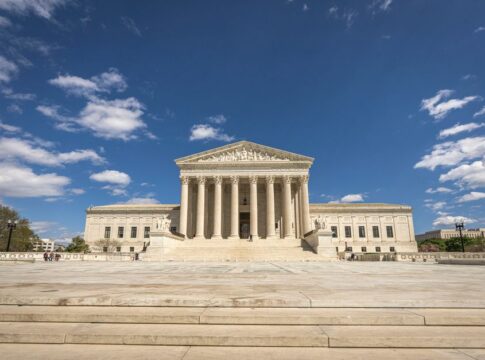
Photo: Mark Stebnicki / Pexels
By New Way News Newsroom, National Desk — Published September 23, 2026
Table of Contents
- Key Takeaways on Shadow Docket Rulings
- The Background & Context
- Why This Matters
- Reactions & Analysis
- What Happens Next
- Frequently Asked Questions
The U.S. Supreme Court‘s use of emergency orders—known as shadow docket rulings—has become a defining feature of the judiciary during the second Trump administration. These decisions, issued without full oral arguments or detailed written opinions, are reshaping federal policy at breakneck speed. Unlike the traditional Supreme Court process that can take months, shadow docket cases often produce binding national rulings in days or even hours.
The Brennan Center for Justice has documented how the Court is moving more cases into this expedited, less transparent process. Harvard Law School observers describe the current term as one featuring “a conservative Court that has also checked the Trump administration” on certain emergency matters, creating a complex legal landscape where speed often trumps deliberation.
For American citizens, these rulings carry immediate consequences. Immigration enforcement, environmental regulations, healthcare access, and civil liberties can shift overnight through orders that lack the transparency of traditional Supreme Court decisions. The shadow docket has evolved from a tool for routine procedural matters into a powerful mechanism that decides major questions of federal government authority.
Key Takeaways on Shadow Docket Rulings
- The Supreme Court is increasingly using emergency orders to decide major policy questions without full briefing or oral arguments
- These shadow docket decisions have addressed critical issues involving the Trump administration’s executive actions and federal government powers
- Legal experts note the Court has both enabled and constrained administration policies through this expedited process
- The lack of detailed written opinions makes it harder for lower courts, lawyers, and citizens to understand the legal reasoning
- Shadow docket rulings have immediate nationwide effect, unlike traditional cases that move through lengthy appellate procedures
- Critics across the political spectrum worry about transparency and accountability when major constitutional questions are decided in the shadows
The Background & Context
The shadow docket isn’t new. For decades, the Supreme Court has maintained an emergency docket for urgent matters requiring immediate attention—things like last-minute execution stays or injunctions that couldn’t wait for the Court’s regular calendar. These orders were meant to be exceptions, not the rule.
What changed? The volume and significance of shadow docket activity exploded in recent years. During Trump’s first term, the administration frequently sought emergency relief when lower courts blocked its policies. That pattern has intensified during the second administration, according to legal observers who track Supreme Court activity.
The Brennan Center’s analysis highlights how this shift represents a fundamental change in how the Court operates. Traditional Supreme Court cases involve extensive written briefs, amicus curiae submissions from interested parties, oral arguments broadcast to the public, and lengthy majority and dissenting opinions that explain the legal reasoning. Shadow docket cases often skip most or all of these steps.
Harvard Law School’s assessment of the current term reveals a nuanced picture. The Court’s conservative majority hasn’t simply rubber-stamped every emergency request from the Trump administration. Instead, justices have granted some requests while denying others, creating what observers call a “checking” function even within the expedited process.
The procedural difference matters enormously. When the Court issues a shadow docket ruling, it might consist of a single paragraph—or even a single sentence—either granting or denying emergency relief. Sometimes there’s no explanation at all. Other times, a brief unsigned opinion addresses only the immediate question without establishing clear precedent for future cases.
Why This Matters
Americans should care about shadow docket rulings because they affect daily life without the safeguards of normal judicial review. Consider immigration policy. An emergency order can immediately halt or restart deportations for thousands of people. Environmental rules protecting air and water quality can be suspended overnight. Healthcare regulations affecting millions of patients can shift before anyone fully understands why.
Transparency forms the bedrock of American democracy. When courts operate in the open, citizens can understand how judges reason through difficult questions. Lawyers can advise clients based on clear legal standards. Lower courts can apply Supreme Court precedents consistently. The shadow docket undermines all of this.
The speed of these rulings also prevents meaningful public participation. Traditional Supreme Court cases allow advocacy groups, state governments, professional associations, and other stakeholders to file friend-of-the-court briefs explaining how a decision might affect their members. Shadow docket cases often move too quickly for this input.
Federal government accountability suffers as well. When the executive branch knows it can seek rapid Supreme Court intervention to override lower court rulings, it may become less careful about following established law. The normal judicial process—where cases percolate through district courts and appeals courts, allowing issues to be thoroughly examined—serves as a check on government overreach.
Defense of constitutional rights depends on courts having adequate time to consider complex questions. Civil liberties, separation of powers, and federalism issues rarely have simple answers. Rush decisions risk getting the law wrong in ways that affect millions of people.
Reactions & Analysis
Legal scholars have expressed deep concern about the trajectory of shadow docket use. The Brennan Center’s research documenting the Court moving more cases into this expedited process has fueled debate about whether the judiciary is abandoning core principles of transparency and deliberation.
Harvard Law School’s characterization of the current term as featuring “a conservative Court that has also checked the Trump administration” suggests the justices are attempting to balance competing demands. Some emergency requests are granted, allowing administration policies to proceed. Others are denied, forcing the government to wait for full judicial review through normal channels.
This selective approach has satisfied no one. Administration supporters argue the Court should defer more to executive branch decisions, especially on national security and immigration matters. Critics counter that even occasional grants of emergency relief are eroding the rule of law by allowing policies to take effect before courts can properly evaluate their legality.
Lower court judges face particular frustration. When the Supreme Court issues a one-paragraph shadow docket order reversing a carefully reasoned district court opinion, it leaves everyone guessing about the legal standard. Did the Supreme Court disagree with the lower court’s analysis? Or did it simply weigh the emergency factors differently? Without explanation, no one knows.
State attorneys general from both parties have complained about the shadow docket’s impact on federalism. States need predictable legal rules to administer their own programs and enforce their own laws. When federal policy can flip overnight through emergency Supreme Court orders, state governments struggle to plan and respond.
What Happens Next
The shadow docket shows no signs of shrinking. As long as the Trump administration pursues ambitious policy changes that trigger immediate legal challenges, emergency Supreme Court intervention will remain frequent. The Court itself has given no indication it plans to limit shadow docket use or impose stricter standards for granting emergency relief.
Congress could theoretically intervene. Legislation could require the Supreme Court to provide written explanations for shadow docket decisions, or mandate minimum time periods for briefing and public comment. But such reforms face long odds given partisan divisions and the judiciary’s traditional independence.
The composition of the Court will matter going forward. If future appointments shift the ideological balance, shadow docket patterns might change. But the procedural tool itself will remain available regardless of which party controls the White House or which judicial philosophy dominates the Court.
Lower courts may adapt by issuing narrower injunctions that are less likely to trigger emergency appeals. Rather than blocking a federal policy nationwide, a district judge might limit relief to the specific plaintiffs in a case. This could reduce the perceived urgency that drives shadow docket activity.
Public awareness is growing. As more Americans understand that major legal questions are being decided through this expedited process, pressure may build for reform. Transparency advocates, good-government groups, and civil society organizations across the ideological spectrum have begun calling for changes to how the shadow docket operates.
The long-term institutional consequences remain uncertain. Will the Supreme Court’s legitimacy suffer if the public perceives it as issuing major rulings without adequate explanation? Will the legal profession’s respect for precedent erode when binding decisions come in the form of cryptic emergency orders? These questions will shape American law for decades.
Frequently Asked Questions
What exactly is the Supreme Court’s shadow docket?
The shadow docket refers to emergency orders and other rulings the Supreme Court issues without the full process of regular cases. Unlike traditional Supreme Court decisions that involve extensive briefs, oral arguments, and detailed written opinions, shadow docket rulings often come quickly with minimal or no explanation. Despite their expedited nature, these orders are binding and can have immediate nationwide effect on major policy questions.
How is the shadow docket different from normal Supreme Court cases?
Normal Supreme Court cases take months or years to resolve. The Court grants certiorari to hear a case, parties submit detailed briefs, interested groups file amicus briefs, justices hear oral arguments, and then issue lengthy majority and dissenting opinions explaining their reasoning. Shadow docket cases skip most or all of these steps, sometimes producing binding rulings in days or hours with little explanation of the legal analysis.
Why has shadow docket use increased during the Trump administration?
The administration has frequently sought emergency Supreme Court intervention when lower courts have blocked its policies. This pattern intensified during the second Trump term as the government pursued rapid policy changes that triggered immediate legal challenges. The Supreme Court’s willingness to grant some of these emergency requests has encouraged continued use of this expedited process for resolving major disputes about federal government authority.
Can anything be done to make the shadow docket more transparent?
Reform is possible but faces significant obstacles. The Supreme Court could voluntarily adopt stricter standards for granting emergency relief or commit to providing written explanations for shadow docket decisions. Congress could pass legislation requiring greater transparency, though such laws would raise questions about separation of powers and judicial independence. Public pressure and criticism from the legal community may ultimately push the Court toward more deliberative practices even in emergency situations.
The shadow docket represents one of the most significant developments in American law this decade. As the Supreme Court continues navigating emergency requests during the second Trump administration, the tension between speed and deliberation will define how our highest court functions. For citizens watching from outside the marble halls, these rulings in the shadows carry consequences that are anything but hidden.