
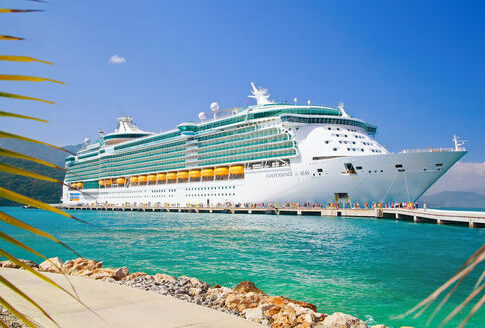
Federal agents boarded eight cruise ships in late April, hauling off 28 crew members in a child exploitation investigation that exposed disturbing vulnerabilities in how the cruise industry vets the international workers responsible for caring for your children at sea.
When the Magic Stopped at B Street Pier
Passengers aboard Disney’s cruise ship witnessed something unscripted on April 23 as federal agents marched roughly 10 crew members down the gangway at San Diego’s B Street Pier. What initially appeared to be an immigration enforcement action revealed itself as something far darker. Over five days, Customs and Border Protection, Homeland Security Investigations, and the National Center for Missing and Exploited Children executed Operation Tidal Wave across eight vessels docked at the Port of San Diego. The operation netted 28 crew members suspected of possessing, distributing, or viewing child sexual exploitation material. Twenty-seven of those interviewed confirmed involvement, a 96 percent hit rate that suggests investigators knew exactly who they were looking for.
https://www.youtube.com/watch?v=OHmtqawJyaw
Disney moved quickly to contain the reputational damage, issuing a statement emphasizing their zero-tolerance policy and cooperation with law enforcement. The company noted that while the majority of those detained worked for other cruise lines, those who worked for Disney no longer do. Holland America Line, whose vessel MV Zandaam also lost crew members, offered similarly measured language characterizing the matter as a law enforcement issue. Neither company disclosed how many of their employees were implicated, leaving the public to wonder about the scope within each organization. The rapid visa revocations and deportation proceedings ensure these individuals will face consequences in their home countries rather than American courtrooms, a detail that raises questions about justice versus expedience.
The International Workforce Nobody Scrutinizes
The cruise industry employs over 200,000 workers globally, with the vast majority hailing from developing nations where background investigation infrastructure remains inadequate or nonexistent. Twenty-six of the detained crew members came from the Philippines, with one each from Portugal and Indonesia. This employment model provides cruise lines with cost-effective labor while offering workers from economically disadvantaged regions opportunities they cannot find at home. The arrangement creates an asymmetrical power dynamic where workers on temporary visas face limited oversight once aboard and minimal legal protection when accusations arise. Visa sponsorship gives employers leverage but provides federal authorities a convenient mechanism for removal without the burden of prosecution.
The jurisdictional complexities of maritime law compound enforcement challenges. Cruise ships operate in international waters, dock at multiple ports across various nations, and employ multinational crews under flags of convenience. When crew members commit crimes, determining which country holds jurisdiction becomes a legal puzzle that often results in the path of least resistance: revoke the visa, deport the individual, and let their home country handle it. This approach may protect American children from immediate threat, but it does little to ensure these individuals face meaningful consequences or to prevent them from seeking employment with cruise lines operating from other countries. The investigation underscores what critics have argued for years about the cruise industry prioritizing profit margins over comprehensive vetting procedures.
What NCMEC Found and What It Means
The National Center for Missing and Exploited Children provided the intelligence that triggered Operation Tidal Wave, demonstrating the organization’s expanding capability to identify distribution networks and individual consumers of child sexual exploitation material. NCMEC operates a national database and works with technology companies to track the creation and distribution of illegal content. Their involvement suggests these crew members either uploaded, downloaded, or shared material that left digital fingerprints traceable to specific individuals aboard specific vessels. The coordination between NCMEC, CBP, and HSI represents a successful model for targeting predators in industries with unique jurisdictional challenges, though the rapid deportations may limit investigators’ ability to dismantle broader networks these individuals participated in.
The timing of the operation during the ships’ port calls reflects strategic planning. Federal agents needed the vessels on U.S. soil to establish jurisdiction and execute the detentions. Boarding eight ships over five days required significant resources and coordination, indicating this was not a spontaneous operation but rather a carefully planned enforcement action based on substantial intelligence gathering. The high confirmation rate suggests investigators possessed strong evidence before boarding, likely including digital communications, device contents, or documented transactions. Yet without formal charges disclosed and deportations underway, the public may never learn the full scope of what investigators uncovered or whether these individuals operated independently or as part of organized networks.
Brand Damage and Industry Implications
Disney Cruise Line markets itself as a premium family vacation experience where parents can trust their children to trained professionals in a safe environment. The revelation that approximately 10 employees faced detention for child exploitation material strikes at the core of that brand promise. While Disney emphasized that the majority detained worked for competitors, the association alone inflicts reputational harm that booking trends and customer surveys will measure in coming months. The company’s zero-tolerance policy and immediate terminations represent textbook crisis management, but questions remain about how these individuals passed initial screenings and whether warning signs existed that went unaddressed. Cruise industry observers note that crime aboard ships has reached a two-year high, suggesting systemic issues beyond this single operation.
The broader cruise industry faces pressure to enhance vetting procedures and ongoing monitoring of crew members with access to children. Current practices rely heavily on background checks from source countries with varying levels of reliability and thoroughness. International crew members often work contracts lasting months at sea with limited shore access and minimal oversight between hiring and deployment. Enhanced screening would increase costs in an industry built on managing expenses through international labor arbitrage. Whether cruise lines voluntarily adopt stricter standards or wait for regulatory mandates will reveal much about their actual priorities versus their marketing promises. Parents booking future cruises deserve transparency about what safeguards exist and what gaps remain in protecting children from predators who sought employment specifically to gain access to vulnerable targets.
Justice Deferred Through Deportation
The decision to revoke visas and deport rather than prosecute these 27 individuals reflects pragmatic enforcement realities while raising uncomfortable questions about accountability. Prosecution requires resources, time, and cooperation from home countries that may lack robust legal frameworks for addressing these crimes. Deportation removes the immediate threat and sends a deterrent message while avoiding complex international legal proceedings. Yet this approach means these individuals may face minimal consequences in their home countries and could potentially seek employment with cruise lines operating under different jurisdictions. The Philippines, which provided 26 of the 27 confirmed individuals, has its own laws addressing child exploitation, but enforcement varies and cultural attitudes toward such crimes differ from American standards. Portugal and Indonesia likewise maintain their own legal frameworks with varying degrees of effectiveness.
Child protection advocates might reasonably argue that rapid deportation prioritizes bureaucratic convenience over justice for victims and deterrence for potential offenders. American prosecution would establish clear consequences, potentially yield intelligence about broader networks, and demonstrate serious commitment to protecting children. The counterargument emphasizes that extended legal proceedings keep dangerous individuals in the United States longer, consume resources needed for other enforcement priorities, and may ultimately result in deportation anyway after conviction. These competing considerations reflect broader tensions in immigration enforcement, international cooperation, and resource allocation. What remains clear is that 27 individuals confirmed as involved with child sexual exploitation material will leave American jurisdiction without facing American courts, and the public has no guarantee they will face meaningful accountability elsewhere.
Sources:
Disney cruise workers busted in child porn sting, hauled off ships for deportation – KTVU
Cruise ship workers, including from Disney, linked to child pornography – Los Angeles Times
Disney cruise workers busted in child porn sting, hauled off ships for deportation – Fox News